
Desserts
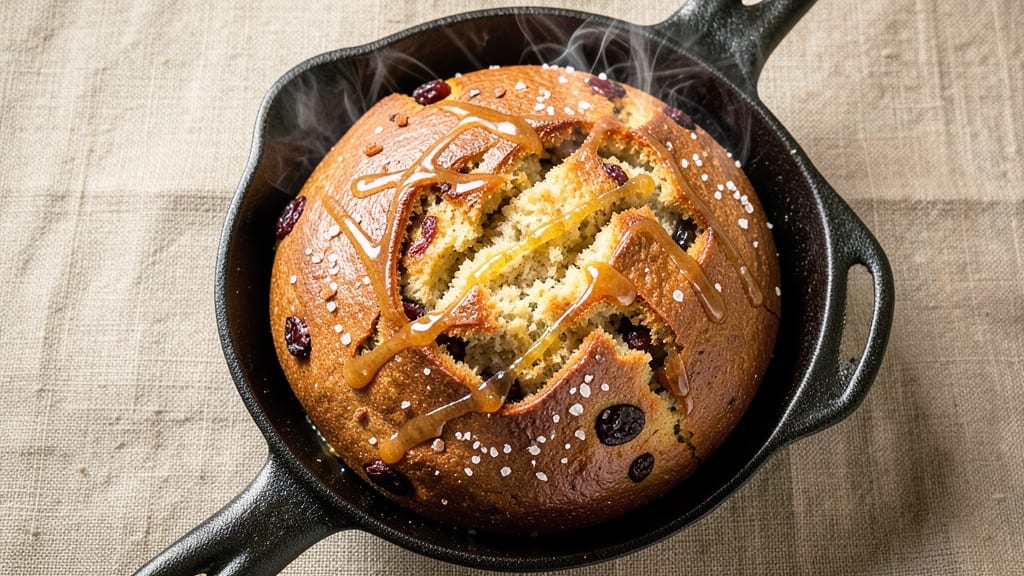
This apple cider raisin bread recipe transforms a simple loaf into a fragrant, spiced masterpiece with every bite. The combination of warm apple cider, plump raisins, and a buttery streusel topping creates a texture that's both tender and satisfying—perfect for breakfast or dessert.
I developed this recipe after years of baking, refining it to achieve that ideal balance of moist crumb and caramelized streusel.
The secret lies in the dough's slow rise, which allows the apple cider to infuse deeply, enhancing the bread's natural sweetness and depth. Raisins plump up perfectly when soaked in warm cider, ensuring they burst with flavor rather than staying dry.
The streusel topping, made with brown sugar and cinnamon, adds a delightful crunch that contrasts beautifully with the soft bread beneath.
By the time it emerges from the oven, you'll have a loaf with a golden crust, a tender interior, and pockets of caramelized streusel that melt into every bite. The aroma alone—warm apple cider, cinnamon, and buttery streusel—will fill your kitchen and draw everyone to the table.
This bread is the kind of homemade treat that feels like a hug in edible form.
Whether you're serving it warm with butter or saving slices for toast the next morning, this apple cider raisin bread is a crowd-pleaser that's surprisingly simple to make. Let's get started on creating a loaf that will become a staple in your home.
Ingredients for apple cider raisin bread
Simple pantry staples meet autumn flavors in this fragrant loaf.
| Ingredient | Amount | Notes |
|---|---|---|
| All-Purpose Flour 🌾 | 5 cups | Spooned and leveled for accuracy |
| Granulated Sugar 🍚 | ½ cup | White or light brown |
| Packed Brown Sugar 🍚 | ½ cup | Light or dark variety |
| Active Dry Yeast 🍞 | 2 ¼ tsps | One packet or 7g |
| Warm Apple Cider 🍎 | 1 ¼ cups | Unsweetened, 110°F |
| Unsalted Butter 🧈 | ½ cup | Melted, full-fat |
| Large Eggs 🥚 | 2 whole | Room temperature |
| Raisins 🍇 | 1 ½ cups | Golden or dark, plump |
| Ground Cinnamon 🍃 | 2 tsps | Freshly ground preferred |
| Salt 🧂 | 1 ½ tsps | Diamond Crystal preferred |
| Vanilla Extract 🌿 | 1 tbsp | Pure alcohol-free if needed |
| Old-Fashioned Oats 🥣 | 1 cup | Blended into flour for streusel |
| Chopped Walnuts 🥜 | ½ cup | Optional for extra crunch |
The apple cider is the soul of this bread—look for unsweetened varieties at Trader Joe's or local orchards for the best flavor. Raisins need soaking! Toss them in warm cider for 15 minutes before adding to the dough, or they'll stay dry. For the yeast, check the expiration date—old yeast won't wake up, no matter how long you wait. I always buy mine in bulk from King Arthur Flour since it's fresher than the single-use packets at the store. The cinnamon should smell vibrant, not dusty—Penzeys Spices has the freshest ground options if you want to splurge.
No apple cider? Substitute warm apple juice with 1 tsp extra vanilla for depth. Raisins too expensive? Dried cranberries or chopped dates work too—just soak them first. The streusel needs fat, so if you're avoiding butter, melted coconut oil or vegan butter works perfectly. For a nut-free version, skip the walnuts and add an extra 0.25 cup oats. The dough is forgiving—if you forget to melt the butter first, just microwave it 20 seconds to soften before mixing.
This bread keeps beautifully—wrap tightly in foil and store at room temp for 3 days, or freeze the whole loaf for up to 3 months. To reheat, wrap slices in foil and warm in a 350°F oven for 5 minutes. The streusel gets crispy when reheated, so it's worth the extra step. I always bake two loaves—one for breakfast, one to freeze for lazy mornings. The flavor actually improves after a day or two as the cider infuses deeper.
Why You'll Love This Recipe
- No-Knead Magic: I swear by this—just mix, let it rise, and bake. The yeast in warm apple cider does all the work while you sip your coffee. Honestly, I’ve made it while scrolling through my phone.
- Spiced Perfection: That caramelized brown sugar and raisin combo? It’s like autumn in every bite. The apple cider adds a subtle tang that keeps it from being too sweet—trust me, it’s dangerously good.
- Weeknight & Holiday Hero: Slice it for breakfast, pack it for lunch, or serve it warm with butter at Thanksgiving. It’s the one loaf that works for lazy mornings and fancy gatherings—no one will guess it’s this unfussy.
- Leftovers That Last: A single batch feeds my family for days—toast it, freeze it, or turn slices into French toast. And since it uses pantry staples (flour, sugar, yeast), it’s my budget-friendly go-to when groceries are tight.
Step-by-step instructions for apple cider raisin bread
Here's how to create a moist, spiced loaf with a perfect streusel topping and chewy raisin pockets.
Activate the Yeast with Warm Apple Cider
In a small bowl, whisk together the 1.25 cups warm apple cider (should feel like bathwater, 110°F) with the 2.25 tsps active dry yeast. Let it sit for 5-10 minutes until it becomes frothy and bubbly—that's your sign the yeast is alive and ready to work. If it doesn't bubble, your yeast might be old or the cider too hot.
This step is crucial because the apple cider provides natural sweetness and acidity that helps activate the yeast more effectively than plain water. The warm temperature is perfect for yeast activation without killing it. Once you see those bubbles, you're ready to move forward.
Mix the Dough Ingredients
In a large mixing bowl, combine the 5 cups all-purpose flour, 0.5 cup granulated sugar, 0.5 cup packed brown sugar, 1.5 tsps salt, and 2 tsps ground cinnamon. Whisk these dry ingredients together to distribute the spices evenly throughout the flour.
In a separate bowl, melt the 0.5 cup unsalted butter until completely liquid (microwave in 20-second bursts or melt in a saucepan over low heat). Add the melted butter, 2 whole large eggs, 1 tbsp vanilla extract, and the yeast mixture to the dry ingredients. Mix with a wooden spoon until just combined—you'll see a shaggy dough form.
Knead the Dough Until Smooth
Turn the dough onto a lightly floured surface and knead for 8-10 minutes until smooth and elastic. You'll know it's ready when it springs back when poked and doesn't stick to your fingers. If the dough feels too sticky, add flour 1 tablespoon at a time—but don't overdo it, or your bread will be dense.
I like to use the "windowpane test" here: stretch a small piece of dough thin enough to see light through it without tearing. This ensures proper gluten development, which gives your bread that perfect chewy texture. Once kneaded, place the dough in a lightly greased bowl, cover with a damp towel, and let it rise in a warm place for 1-1.5 hours or until doubled in size.
Prepare the Streusel Topping
While the dough rises, make the streusel topping by blending the 1 cup old-fashioned oats into a fine flour-like consistency using a food processor or rolling pin. In a small bowl, mix the oat flour with 0.25 cup granulated sugar, 0.25 cup packed brown sugar, 1 tsp cinnamon, and the 0.5 cup chopped walnuts (if using). Set aside until ready to use.
This topping is what makes this bread special—the combination of oats, walnuts, and spices creates a crunchy, aromatic crust that contrasts beautifully with the soft, chewy interior. The walnuts add a nice texture contrast, but you can omit them if you prefer.
Shape, Fill, and Bake to Perfection
Once the dough has risen, punch it down to release air, then shape it into a 9x5-inch loaf pan. In a small bowl, combine the 1.5 cups raisins with 1 tbsp flour to prevent sinking, then sprinkle them evenly over the dough. Press gently to distribute.
Sprinkle the streusel mixture evenly over the raisins, then cover the pan with a damp towel and let it rise for another 30-45 minutes until the dough reaches the top of the pan. Preheat your oven to 350°F while the dough rises. Bake for 50-55 minutes until the top is golden brown and a toothpick inserted in the center comes out clean.
Cool and Enjoy
Remove the bread from the oven and let it cool in the pan for 10 minutes, then transfer to a wire rack to cool completely. The bread will be at its best when fully cooled—this allows the flavors to meld and the texture to set properly.
Slice while still slightly warm for the perfect balance of chewy crumb and sweet, spiced raisins. Store wrapped at room temperature for up to 3 days or freeze for longer storage. This bread pairs beautifully with butter or as a toast for breakfast—trust me, you'll want to bake another loaf!
Pro Tips For Making Apple Cider Raisin Bread
- Measure Cider Precisely: Warm apple cider loses volume when it cools—use a liquid measuring cup and pour it in after mixing dry ingredients. I learned this the hard way when my first batch turned out dense; the recipe calls for 1 cup warm cider, but that’s after it sits for 5 minutes.
- Bloom Yeast in Cider: Skip the warm water—mix the yeast directly into the warm apple cider (110°F max) for 5 minutes before adding dry ingredients. The cider’s natural sugars kickstart fermentation faster, and you’ll smell that yeasty punch sooner.
- Fold Raisins Gently: Toss raisins in 1 tablespoon flour first, then fold them in last with the butter. This keeps them evenly distributed and prevents sinking to the bottom—no more raisin-heavy pockets at the edges.
- Proof Until Springy: Your dough is ready when it springs back slowly when poked (not instantly). Cold weather? Let it proof 10–15 minutes longer—rushing it leads to a dense loaf, and nobody wants that.
Troubleshooting your apple cider raisin bread
Dense, Heavy Dough
If your dough feels too dense or refuses to rise properly, you likely overworked the gluten or added too much flour. Knead just until smooth—over-kneading develops too much gluten, making the bread tough. Also, ensure your yeast is fresh and the apple cider is warm (110°F), not hot.
If the dough still feels heavy after rising, it may need more time—cover with a damp towel and let it rise in a warm spot (like a turned-off oven with the light on) for another 30-60 minutes.
Dry or Soggy Raisins
Dry raisins happen when they’re added to the dough without soaking first. Soak them in warm apple cider for 15 minutes before mixing—this ensures they plump up and distribute flavor evenly. If they sink to the bottom, toss them with 1 tbsp flour before adding to the dough.
For soggy raisins, your dough might be too wet; reduce the cider by ¼ cup or add 1 extra tbsp flour while kneading.
Pale or Uneven Baking
A pale loaf usually means the oven wasn’t hot enough or the bread didn’t bake long enough. Preheat your oven to 350°F for at least 20 minutes and use an oven thermometer—many ovens run hot or cold.
If the top browns too quickly but the center stays undercooked, tent the bread with foil after 30 minutes and continue baking. For even browning, place a baking sheet on the lower rack during baking to reflect heat upward.
Streusel Not Crispy Enough
If your streusel turns out soft instead of crunchy, it likely didn’t bake long enough or had too much moisture. Bake the bread 5-10 minutes longer if needed, and ensure your streusel mixture is dry before sprinkling—blend the oats finely and avoid adding extra liquid.
For extra crunch, broil the bread for 1-2 minutes at the end, watching closely to avoid burning.
Bread Collapses After Baking
Collapsed bread usually means the yeast didn’t activate properly or the dough rose too long. Double-check your yeast—it should foam within 5-10 minutes in warm cider. If the dough overproofs (rises too much), punch it down gently and let it rise again for 20-30 minutes before baking.
Also, ensure your loaf pan is lightly greased—a dry pan can cause sticking and collapse.
Strong Apple Cider Flavor
If the cider taste overpowers the bread, you used too much. The recipe calls for 1.25 cups warm cider, but if yours is very tart, reduce it to 1 cup and add ¼ cup warm water to maintain moisture.
For a milder flavor, use apple juice instead—it’s sweeter and less acidic. Balance the flavor with an extra ½ tsp cinnamon or 1 tsp vanilla extract to complement the apple notes.
Nutrition facts
Frequently asked questions
Can I make this bread without apple cider?
Use 1 cup warm apple juice instead—it's sweeter and less acidic, so you might want to reduce the sugar by 1 tablespoon to balance the flavors. For extra depth, add 1 teaspoon vanilla extract to compensate for the missing cider's complexity. The bread will still be delicious, just with a slightly different flavor profile.
How do I store leftover apple cider raisin bread?
Wrap the cooled loaf tightly in plastic wrap or aluminum foil and store it at room temperature for up to 3 days. For longer storage, slice the bread and freeze the pieces on a tray before transferring to a freezer bag—this prevents them from sticking. To reheat, warm slices in a 350°F oven for 5 minutes or microwave for 10-15 seconds.
Why does my bread have a strong apple cider smell but bland flavor?
This usually happens when the cider's acidity overpowers the other flavors. To fix it, balance the taste by adding ½ teaspoon extra cinnamon or 1 teaspoon vanilla extract to the dough. For future batches, use a milder cider or reduce the amount to 1 cup while adding ¼ cup warm water to maintain moisture.
Can I make this bread in a different pan shape?
Yes! This recipe works well in 9x5-inch loaf pans, but you can also use 8x4-inch pans or even a 9-inch round cake pan for a different shape. Adjust baking times slightly—round pans may need 5-10 minutes longer at 350°F. For a free-form loaf, shape the dough into a boule or batard and bake on a parchment-lined sheet for 30-35 minutes.
What's the best way to use up extra raisins?
Soak the extra raisins in warm apple cider for 15 minutes and fold them into muffins, oatmeal, or yogurt for a quick breakfast boost. You can also mix them into cookie dough or sprinkle them on top of pancakes. For a dessert twist, toss them with melted butter, cinnamon, and a pinch of salt, then bake at 350°F for 10 minutes to make raisin clusters.