
Side Dishes
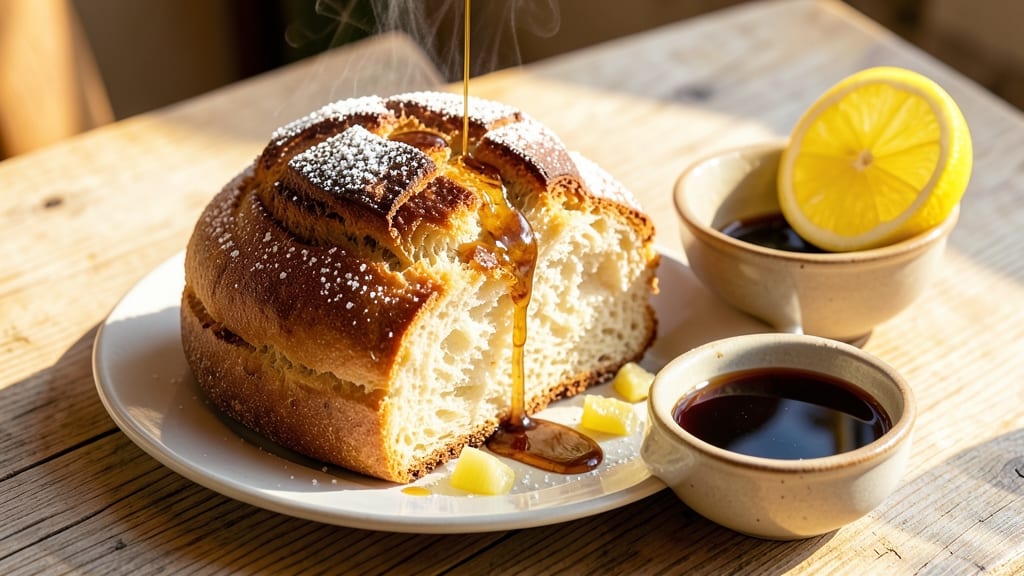
This Antigua Sunday bread recipe brings the Caribbean's most beloved tradition to your kitchen—where warm, spiced dough swirls with rum-infused sweetness and emerges with a golden crust that crackles at every bite. 🌟 The secret lies in the dough's tender layers and the subtle warmth of spices that define this island classic, perfect for gathering loved ones or savoring alone.
What makes this recipe special is its balance of simplicity and tradition. The dough requires just a few staple ingredients—flour, sugar, butter, and eggs—while the rum adds depth that transforms ordinary bread into something extraordinary.
The shaping technique creates those signature swirls, and baking at the right temperature ensures a crispy crust without drying out the interior.
By the time it's done, you'll have a loaf that's fragrant with cinnamon and nutmeg, with a texture that's both tender and slightly crisp. The aroma alone will transport you to Antigua's sunlit kitchens, where this bread has been a centerpiece for generations.
Serve warm with butter or jam for a taste of Caribbean comfort.
This recipe works equally well for sweet or savory variations—add cheese and herbs for a savory twist, or keep it classic with the rum swirls. The possibilities are endless, but the foundation remains the same: a bread that brings people together, just like Sunday should.
Ingredients for antigua sunday bread
Eight simple ingredients transform into a fragrant Caribbean classic with golden swirls and tender layers.
| Ingredient | Amount | Notes |
|---|---|---|
| All-Purpose Flour 🌾 | 5 cups | Sifted for light texture |
| Granulated Sugar 🍚 | 1 ½ cups | White or light brown |
| Unsalted Butter 🧈 | 1 cup | Room temperature, cubed |
| Large Eggs 🥚 | 4 whole | Room temperature preferred |
| Milk 🥛 | 1 cup | Whole milk for richness |
| Dark Rum 🍹 | ½ cup | 180-proof for strong flavor |
| Ground Cinnamon 🌿 | 1 tbsp | Freshly ground preferred |
| Ground Nutmeg 🌿 | ½ tsp | Freshly grated for warmth |
| Salt 🧂 | ½ tsp | Diamond Crystal preferred |
| Baking Powder 🧪 | 1 tsp | Aluminum-free recommended |
| Vanilla Extract 🌸 | 1 tsp | Pure vanilla preferred |
| Powdered Sugar 🍚 | ½ cup | For rum swirl mixture |
The flour is the foundation—King Arthur or Gold Medal work best for that tender crumb. For the rum, Appleton Estate or Gosling's Black Seal elevate the flavor, but any good dark rum will do. The butter should have visible grains of salt (like Plugrá), not unsalted. Nutmeg is key here—freshly grated has a brighter aroma than pre-ground. If you can't find it, mace works in a pinch, though it's milder. The baking powder must be fresh—if it's more than six months old, it won't rise properly.
No rum? Orange juice or apple juice adds sweetness without the alcohol. Short on powdered sugar? Granulated sugar pulsed in a food processor works perfectly. The vanilla extract can be swapped for vanilla bean paste>—just scrape out the seeds. For a savory twist, reduce the sugar to 1 cup and add 1 tsp dried thyme to the dough. The cinnamon can be substituted with 1 tsp pumpkin pie spice if you're in a hurry, though it won't be as authentic.
The dough keeps 2 days in the fridge wrapped tightly in plastic. For longer storage, freeze the shaped loaf for up to 3 months—thaw at room temperature before baking. The rum swirl mixture can be prepped a day ahead and stored in the fridge. Once baked, the bread stays fresh for 3 days at room temperature, wrapped in a clean kitchen towel. Slice and toast for the best texture—it reheats beautifully in a 200°F oven for 10 minutes.
Why You'll Love This Recipe
- No Yeast Needed: I swear by this—no waiting for dough to rise, no fuss. The eggs and butter create that tender crumb all on their own, and honestly? It’s the kind of bread that’s ready when you are.
- Sweet Butter Magic: That rich, caramelized butter folded into the dough? It’s what makes this bread irresistible. One bite and you’ll understand why it’s a Sunday staple—it’s got that buttery, slightly sweet warmth that sticks with you.
- Weekend or Weeknight: Between us, this bread works for everything. Toast it for breakfast, serve it with soup on a cold night, or even crumble it over oatmeal. My kids grab slices straight from the pan—no judgment here.
- Pantry Staple Power: You’re already using what’s in your cupboard: flour, sugar, butter, eggs, milk. No specialty ingredients, no last-minute grocery runs. And the leftovers? They last days—perfect for when you’re too tired to bake.
Step-by-step instructions for Antigua Sunday bread
This Caribbean classic delivers moist crumb, golden crust, and rum-infused swirls with perfect timing.
👨🍳 Step 1: Prepare the Rum Swirl Mixture
In a small bowl, whisk together the 0.5 cup powdered sugar and 0.5 cup dark rum until fully combined. This mixture will create those signature swirls that make this bread special. Set aside while you prepare the dough—you'll add this later when the dough is ready for shaping.
I like to let the rum sit for a minute after mixing so the flavors meld slightly. The powdered sugar helps balance the alcohol's intensity while keeping the texture light. Don't skip this step—it's what gives Antigua Sunday Bread its distinctive character.
👨🍳 Step 2: Cream Butter and Sugars
In a large mixing bowl, combine the 1 cup unsalted butter and 1.5 cups granulated sugar. Using an electric mixer on medium speed, beat for 3-4 minutes until light and fluffy. You'll see the mixture nearly double in volume and become pale—this incorporates air that creates a tender crumb.
Here's where it gets important: the butter should be at room temperature but not melted. Press a finger into it—it should leave a slight indent but hold its shape. If it's too soft, chill the bowl for 10 minutes before proceeding. This step ensures your bread will be moist, not dense.
👨🍳 Step 3: Add Eggs and Dry Ingredients
Add the 4 whole large eggs, one at a time, mixing well after each addition. Then stir in the 1 cup milk, 1 tsp vanilla extract, and 1 tbsp ground cinnamon. In a separate bowl, whisk together the 5 cups all-purpose flour, 0.5 tsp ground nutmeg, 0.5 tsp salt, and 1 tsp baking powder. Gradually add the dry ingredients to the wet mixture.
Mix just until combined—you should still see some flour streaks. Overmixing develops gluten and makes the bread tough. Stop as soon as the dough comes together. The texture should be soft and slightly sticky, like thick cookie dough. If it's too dry, add 1-2 tablespoons milk to bring it back together.
🥘 Step 4: Shape and Swirl the Dough
Transfer the dough to a lightly floured surface and knead gently 2-3 times to smooth it out. Shape into a 9x13-inch rectangle about ½-inch thick. Using a spoon or small knife, spread the rum mixture evenly over the dough, leaving a ½-inch border around the edges. Fold the sides inward, then fold the top and bottom edges over the filling to completely enclose it.
This folding technique creates those beautiful swirls while keeping the rum mixture contained. Press the edges gently to seal. For best results, don't overwork the dough—just enough to create the shape. The rum mixture will add moisture, so the dough will be slightly softer than usual.
🔥 Step 5: Bake to Golden Perfection
Preheat your oven to 350°F. Grease a 9x13-inch baking pan and place the shaped dough inside. Bake for 45-50 minutes until the top is golden brown and a toothpick inserted in the center comes out clean. The edges should pull away slightly from the pan, indicating it's fully baked.
I like to tent the pan with foil after 30 minutes of baking to prevent over-browning. The bread is done when it's beautifully golden with those signature swirls peeking through. Let it cool in the pan for 10 minutes before transferring to a wire rack. The internal temperature should reach 190-195°F at the center.
Pro Tips For Making Antigua Sunday Bread
- Cream Butter and Sugar: DESCRIPTION: Beat the butter and sugar together until it’s pale yellow—not just fluffy, but almost translucent. I used to stop when it looked "done," but this step makes the crumb light and the flavor richer. If your mixer struggles, switch to a wooden spoon and work it by hand for 3-4 minutes.
- Measure Flour Correctly: DESCRIPTION: Spoon the flour into the bowl without packing it—tap the measuring cup lightly to level it off. Packed flour makes the dough dense, and this bread should be tender, not heavy. I learned this after a batch turned out like a brick.
- Don’t Overmix the Dough: DESCRIPTION: Mix the wet and dry ingredients just until combined—no need to overwork it. Overmixing develops gluten, which can make the bread tough. Fold in the milk gently, and stop when the dough holds together when pressed.
- Bake at 350°F (No Higher): DESCRIPTION: This bread is delicate, and higher heat will dry it out or burn the edges before the center sets. A steady 350°F ensures a golden crust and a moist interior. I once cranked it to 375°F out of impatience—big mistake.
Essential equipment for this dish
Mixing Essentials
Start with a stand mixer fitted with the paddle attachment—this ensures even creaming of the butter and sugar. I recommend the KitchenAid Artisan Series for its torque and durability. For hand mixers, the Cuisinart Power Advantage delivers consistent results without overworking the dough.
Keep your mixing bowl chilled in the freezer for 10 minutes if the butter gets too soft during creaming. 🌡️
Swirl Shaping Tools
Use a small offset spatula (like OXO Good Grips) to spread the rum mixture evenly across the dough. For shaping, a 9x13-inch baking pan is essential—preferably Wilton Perfect Results for even heat distribution.
Line the pan with parchment paper to prevent sticking and make removal effortless. A pastry brush comes in handy for lightly greasing the parchment before adding the dough.
Precision Measuring
Invest in a digital kitchen scale (like Escali Primo) for accurate measurements of flour and sugar—this ensures consistent results. For dry ingredients, use the spoon-and-level method with a stainless steel measuring cup.
The King Arthur Flour Measuring Cup Set includes a built-in leveler for precision. For liquids, a liquid measuring cup with clear markings (like Pyrex) prevents overfilling.
Baking Perfection
A reliable oven thermometer (like Thermoworks Thermapen) is non-negotiable—home ovens often run 25°F hotter or cooler than set. I use a light-colored metal baking pan (like All-Clad Stainless Steel) for even heat circulation.
Place the pan on the middle rack of your oven for consistent baking. A wire cooling rack (like OXO Good Grips) prevents soggy bottoms while cooling.
Optional Extras
For the rum mixture, a fine-mesh sieve helps dissolve powdered sugar smoothly. A small whisk (like West Bend Snap-N-Lock) ensures the rum and sugar blend perfectly. For shaping, keep flour-free parchment squares nearby to dust your work surface—this prevents gluten development.
A toothpick is your best tool for checking doneness in the final stage of baking. 💡
Nutrition facts
Frequently asked questions
Can I make Antigua Sunday Bread without rum?
Replace the 0.5 cup dark rum with an equal amount of orange juice or apple juice to maintain sweetness while keeping the same swirl technique. The flavor will be fruit-forward but still delicious. For a non-alcoholic alternative, try 1 tablespoon vanilla extract plus 1 teaspoon almond extract mixed with the powdered sugar.
Why does my Antigua Sunday Bread turn out dense? Dense bread usually results from overmixing the dough or using cold butter.
How do I store Antigua Sunday Bread?
Keep the baked loaf at room temperature in an airtight container for up to 3 days. For longer storage, wrap tightly in plastic wrap and freeze for up to 3 months. Thaw overnight in the fridge before reheating. To revive stale bread, slice and warm in a 200°F oven for 10 minutes or toast until crispy.
Can I make this bread in a different pan size?
Yes, but adjust the baking time slightly. For a 9x5-inch loaf pan, bake for 50-55 minutes at 350°F. If using a round cake pan (9-inch), reduce the recipe by 25% and bake for 35-40 minutes. Always check with a toothpick for doneness. The key is to maintain the same dough thickness (½-inch) for even baking.
What makes Antigua Sunday Bread different from regular sweet bread?
The signature elements are the rum swirls and the spiced flavor profile (cinnamon + nutmeg). Unlike regular sweet bread, this version has a tender, slightly crisp crust with pockets of rum-infused sweetness throughout. The shaping technique creates those beautiful swirls, while the combination of spices gives it a warm, aromatic quality that's uniquely Caribbean.