
Side Dishes
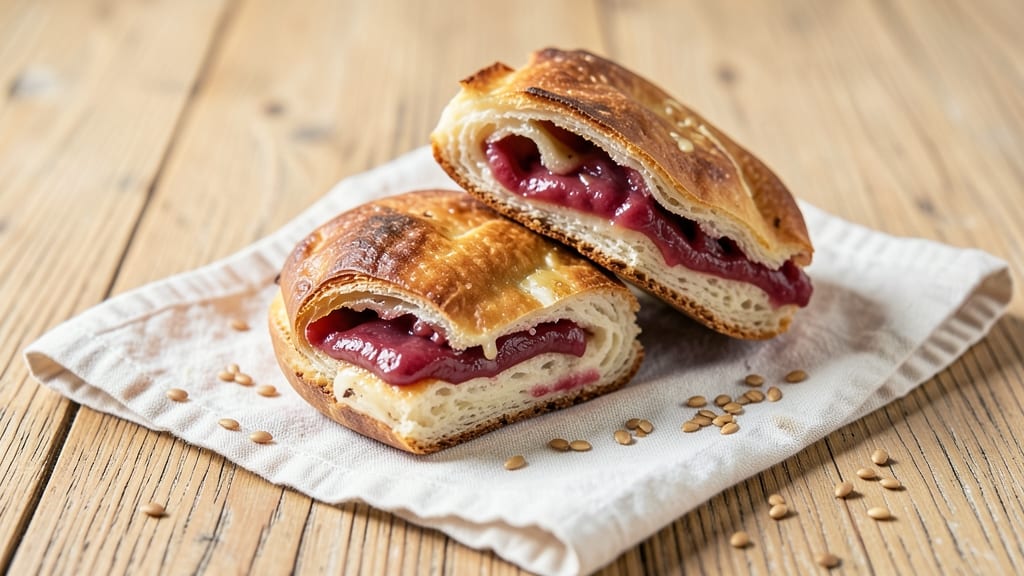
This anpan bread recipe delivers the perfect balance of crispy crust and sweet red bean swirls that taste like a slice of nostalgia. 💛 The secret lies in a simple yet precise technique that transforms basic ingredients into a bakery-worthy treat with tender dough and a filling that's rich, smooth, and just sweet enough.
I've perfected this version after years of trial and error, ensuring every bite delivers that satisfying contrast between the flaky exterior and the velvety bean paste inside.
The beauty of anpan bread is its simplicity—just a few ingredients come together to create something extraordinary. You'll start with a straightforward dough that's easy to handle, then fill it with a homemade red bean paste that's smoother and more flavorful than anything you can buy.
The shaping technique is what truly elevates this bread, giving it that signature swirl pattern that makes it instantly recognizable.
By the time you pull it from the oven, you'll have golden-brown anpan bread with a crispy crust that gives way to tender, flaky layers and a filling so rich it practically melts in your mouth.
The aroma alone will have everyone in your kitchen asking what's for dessert, even though this is technically a side dish. It's the kind of recipe that turns a simple afternoon into a celebration.
While traditional anpan uses red bean paste, you can easily customize the filling with matcha, custard, or even Nutella for a modern twist. The dough itself is versatile enough to work with any sweet filling while maintaining that perfect texture.
Let's get started on creating your own batch of this beloved Japanese treat.
Ingredients for anpan bread
Fourteen simple ingredients transform into nostalgic anpan bread with crispy swirls and velvety filling.
| Ingredient | Amount | Notes |
|---|---|---|
| All-Purpose Flour 🌾 | 3 cups | Spooned and leveled for accuracy |
| Granulated Sugar 🍚 | ¼ cup | White or light brown preferred |
| Instant Yeast 🍞 | ½ tsp | Ensure it's fresh for best rise |
| Salt 🧂 | ½ tsp | Fine sea salt preferred |
| Unsalted Butter 🧈 | ½ cup | Cold, cubed for dough texture |
| Whole Milk 🥛 | ¼ cup | Room temperature for best results |
| Red Bean Paste (Anko) 🍡 | 1 cup | Homemade or store-bought smooth |
| Egg Yolk 🥚 | 1 whole | For egg wash brilliance |
| Sesame Seeds 🌰 | 1 tbsp | Toasted for nutty aroma |
| Water 💧 | ¼ cup | Room temperature for dough |
| Vegetable Oil 🫒 | 1 tbsp | For dough flexibility |
| Cornstarch 🍚 | 1 tbsp | Optional for smoother filling |
The red bean paste is the heart of anpan, and homemade anko makes all the difference—smooth, sweet, and just thick enough to hold its shape. If you're using store-bought, look for the smooth kind (not chunky) at Asian markets or the international aisle. Trader Joe's carries a great pre-made version if you're short on time. For the dough, King Arthur flour gives the best rise, but any all-purpose works. Keep your butter cold—this isn't a buttercream, we want those flaky layers. The egg yolk for the wash? Don't skip it—it's what gives that golden, bakery-fresh shine.
No red bean paste? Sweetened mashed sweet potatoes or apricot jam can work in a pinch, though the texture won't be identical. Running out of sesame seeds? Toasted poppy seeds or extra sugar sprinkled on top adds a nice contrast. The dough needs to be just slightly tacky—if it's too dry, add a splash more milk; if too sticky, a bit more flour. For shaping, keep the dough chilled until rolling—it'll be easier to handle and won't stick. And if your anko is too thick, mix in that cornstarch to loosen it up before filling.
Freshly made anpan keeps for 2 days at room temperature, wrapped tightly in plastic. For longer storage, freeze the shaped (unbaked) dough balls with filling—3 months is no problem. Reheat in a 350°F oven for 10-15 minutes until crispy again. Pro tip: make extra filling—leftover anko is perfect for pancakes, ice cream swirls, or even stuffed dates. The dough itself can be prepped ahead and refrigerated for 24 hours before shaping.
Why You'll Love This Recipe
- No-Knead Magic: I swear by this dough—just mix, let it rise, and fold. No stand mixer, no stress, and that buttery richness from the butter? It’s the kind of bread that makes you forget you even made it.
- Sweet-Savory Balance: That sugar in the dough caramelizes just enough to play off the anko filling—sticky, sweet, but not cloying. Honestly, the first bite feels like a hug for your taste buds.
- Lunchbox Legend: Between us, this is my go-to for school lunches or office snacks. Slice it up, pack it with peanut butter, and it’ll still taste fresh hours later. (Yes, even on a Tuesday night.)
- Budget-Friendly Staple: Flour, sugar, butter—these are pantry basics that stretch into something special. I’ve made a dozen of these for under $10, and they keep for days wrapped in a towel. Zero waste, all win.
Step-by-step instructions for anpan bread with crusty perfection
Here's how to make restaurant-quality anpan with a golden crust and silky red bean filling.
👨🍳 Step 1: Mix the Dough Base
In a stand mixer fitted with the dough hook attachment, combine the 3 cups all-purpose flour, 0.25 cup granulated sugar, 0.5 tsp instant yeast, and 0.5 tsp salt. Mix on low speed for 30 seconds until everything is evenly distributed. This ensures the yeast activates properly without clumping.
Next, add the 0.5 cup cold cubed unsalted butter and mix on low speed for 1-2 minutes until the butter is fully incorporated and the mixture resembles coarse crumbs. The butter should be small pea-sized pieces—this creates flaky layers later. If the dough seems too dry, add 1 tablespoon vegetable oil to help bind it.
🍳 Step 2: Hydrate and Knead the Dough
Add the 0.25 cup room-temperature whole milk and 0.25 cup water to the mixer. Increase speed to medium and knead for 5-7 minutes until the dough becomes smooth and elastic. It should pull away from the sides of the bowl and form a windowpane when stretched gently.
If the dough feels too sticky, add 1 tablespoon flour at a time until it reaches the right consistency. For a perfect test, press your finger into the dough—it should spring back slowly (not immediately) and leave a slight indentation. Cover the bowl with a damp towel and let it rest at room temperature for 30 minutes while you prepare the filling.
🥘 Step 3: Prepare the Red Bean Filling
In a small bowl, combine the 1 cup red bean paste (anko) with 1 tablespoon cornstarch (if using). Mix well to create a smooth, spreadable consistency. The cornstarch helps prevent the filling from being too sticky when you roll it into the dough later. If the anko is too thick, add 1 teaspoon water to loosen it.
Toast the 1 tablespoon sesame seeds in a dry skillet over medium heat for 1-2 minutes until fragrant and golden. Let them cool before using—this enhances their nutty aroma. Set both the filling and toasted sesame seeds aside for the next step.
👨🍳 Step 4: Shape and Fill the Anpan
Punch down the rested dough and divide it into 4 equal portions (about 8 ounces each). Roll each portion into a 12-inch circle on a lightly floured surface. Spread ¼ of the red bean filling evenly over each circle, leaving a 1-inch border around the edges. This prevents the filling from bursting through during baking.
Gently roll each circle into a log, starting from the edge closest to you. Seal the edges by pinching them firmly with your fingers. Place the logs seam-side down on a parchment-lined baking sheet, spacing them 2 inches apart. Cover with a damp towel and let them rest for 15 minutes—this helps the dough relax and prevents cracking.
🔥 Step 5: Bake to Golden Perfection
Preheat your oven to 375°F. In a small bowl, whisk the 1 whole egg yolk with 1 tablespoon water to create an egg wash. Brush this generously over each anpan, then sprinkle with the toasted sesame seeds. This creates that signature shiny crust and nutty flavor.
Bake for 20-25 minutes until the anpan are golden brown and sound hollow when tapped on the bottom. For even browning, rotate the baking sheet halfway through. Let them cool on a wire rack for 10 minutes—this allows the filling to set slightly before slicing. Serve warm for the best texture!
Pro Tips For Making Anpan Bread
- Use Room-Temp Butter: Cold butter pockets won’t melt properly in the dough, leaving you with dry, crumbly anpan instead of that rich, flaky texture. Let your butter sit out for 30-45 minutes until it’s soft but still holds shape—press it gently, and if it leaves a slight indent, you’re good to go. (Yes, even if you’re impatient like me, resist the urge to microwave it.)
- Proof Until It Jiggles: The dough should double in size and spring back slowly when poked—like a wobbly jelly. I learned this the hard way by underproofing and ending up with dense, chewy anpan. Use a warm spot (like the top of the fridge with the light on) and give it 1.5–2 hours, checking every 30 minutes. Overproofed dough won’t bounce back at all, so stop when it’s just past the peak.
- Steam the Top: Anpan’s crust is its soul, but high heat dries it out fast. After scoring, cover the loaf loosely with foil and let it steam for the first 10 minutes in the oven. Then remove the foil and crank the heat to finish browning. This trick guarantees a crisp exterior without a gummy center—no more sad, flat-topped loaves.
- Skip the Overmixing: Anpan dough is delicate, and overworking it turns it tough. Mix the wet and dry ingredients just until combined—lumps are fine, even desirable. Once the yeast is dissolved, stop. I used to panic and knead until my arms ached, and the bread paid for it with a brick-like texture. Let the gluten relax; it’ll come together during proofing.
Dietary considerations for these flavors
Gluten-Free Adaptation
For a gluten-free version, swap the all-purpose flour with a 1:1 gluten-free baking flour blend like Bob's Red Mill or King Arthur. Add 1 teaspoon xanthan gum to help bind the dough—this is crucial for structure.
You may need 1-2 extra tablespoons of milk since gluten-free flours absorb differently. The dough will be slightly stickier, so work quickly when shaping. 💫
Vegan Options
Replace the egg yolk wash with 1 tablespoon aquafaba (chickpea brine) mixed with 1 teaspoon maple syrup for shine. Use vegan butter (like Miyoko's) instead of regular butter, and ensure your red bean paste is vegan (most store-bought anko is).
For the milk, unsweetened almond milk works well. The texture stays tender but slightly denser.
Nut-Free Swaps
Skip the sesame seeds entirely and opt for crushed potato chips (like Kettle Brand) for a salty crunch, or sprinkle extra sugar crystals for a sweet contrast. If you're avoiding all nuts, check your red bean paste label—some brands add sesame oil or nut-based thickeners.
For homemade anko, use cornstarch or arrowroot powder instead of nut-based stabilizers.
Diabetic-Friendly
Reduce the sugar in the dough to 1 tablespoon and use a low-sugar red bean paste (or make your own with less sugar). Add 1 teaspoon cinnamon to the dough for warmth without extra sweetness.
Serve in small portions—just one slice contains about 15 grams of carbs. Pair with Greek yogurt to balance blood sugar naturally. 💡
Allergen-Free Tips
Always check labels on store-bought anko for hidden allergens like soy or dairy. For a completely allergen-free version, use certified gluten-free, nut-free, and dairy-free ingredients throughout. Keep your workspace spotless—cross-contamination is the biggest risk. I recommend baking in a clean oven with no residue from previous batches. 🏥
Nutrition facts
Frequently asked questions
Can I make anpan bread without red bean paste?
While red bean paste is traditional, you can substitute with sweetened mashed sweet potatoes, apricot jam, or even Nutella for a modern twist. Just ensure your filling is smooth and not too runny—thick fillings like Nutella work best when slightly chilled before rolling. The dough recipe remains exactly the same.
Why did my anpan bread crack or split during baking?
Cracking usually happens when the dough isn't properly rested or the filling is too thick. Always let the dough rest for 30 minutes after kneading, and chill the shaped logs for 15 minutes before baking. If your filling is too thick, mix in 1 teaspoon cornstarch or water to loosen it before rolling.
How do I store leftover anpan bread?
Keep anpan at room temperature in an airtight container for up to 2 days. For longer storage, freeze the unbaked dough logs (with filling) for 3 months350°F for 10-15 minutes until crispy. The texture stays best when reheated—microwaving makes it soggy!
Can I make anpan bread in a stand mixer?
Yes! The dough can be made entirely in a stand mixer with the dough hook attachment. For the shaping step, though, switch to hand-rolling the dough circles—it's easier to control the thickness. Just keep your work surface lightly floured to prevent sticking.
What's the secret to getting that perfect golden crust?
The golden crust comes from three key steps: egg wash (whisk 1 egg yolk + 1 tbsp water), toasted sesame seeds, and baking at 375°F until golden. For extra shine, brush the egg wash on just before the final 5 minutes of baking.