
Side Dishes
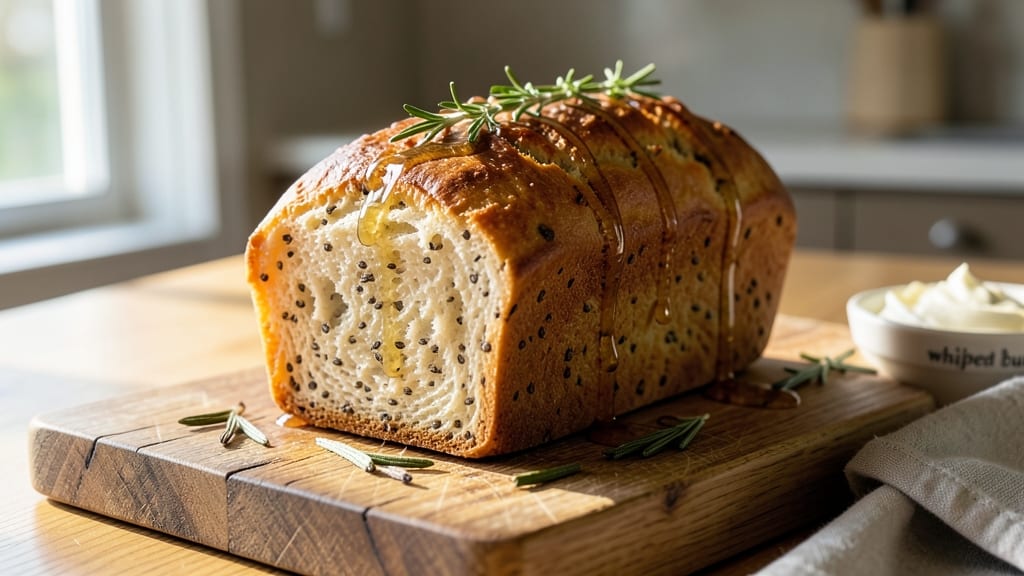
This anise bread machine recipe transforms your kitchen into a bakery with minimal effort—just add ingredients, press start, and let the machine do the work. 💛 The secret lies in anise seeds, which infuse the dough with a subtle licorice warmth that pairs perfectly with butter or jam.
Unlike traditional bread-making, this no-knead method relies on your bread machine’s cycles to create a tender, aromatic loaf with a crisp crust.
The beauty of this recipe is its simplicity: combine flour, yeast, anise seeds, and a touch of honey for sweetness, then let the machine handle the kneading and baking.
Most standard bread machines can accommodate this dough, and the dough cycle ensures proper development before the bake cycle delivers a golden-brown loaf. The anise flavor is gentle yet distinct, making this bread ideal for breakfast toast or as a side for savory dishes.
What sets this apart is the texture—light and airy with just enough structure to hold its shape. The anise seeds distribute evenly, releasing their aromatic oils during baking for a flavor that lingers with every bite.
No scoring or special techniques are needed; the bread machine does all the heavy lifting, leaving you with a loaf that’s restaurant-worthy without the fuss.
Perfect for beginners or busy bakers, this recipe adapts easily to your machine’s settings. If the bread turns out dense, check your yeast or adjust the dough cycle time. For extra flavor, brush the warm loaf with melted butter—simple, satisfying, and impossible to resist.
Ingredients for anise bread machine
Nine simple ingredients transform your bread machine into a bakery, delivering a licorice-kissed loaf with restaurant-quality ease.
| Ingredient | Amount | Notes |
|---|---|---|
| All-Purpose Flour 🌾 | 3 ½ cups | Unbleached preferred for lighter texture |
| Active Dry Yeast 🍞 | ¼ tsp | Ensure yeast is fresh (test in warm water) |
| Anise Seeds 🌿 | 1 ½ tbsp | Whole seeds for authentic flavor |
| Granulated Honey 🍯 | 2 tbsp | For subtle sweetness and yeast activation |
| Unsalted Butter 🧈 | ¼ cup | Cold, cubed for even distribution |
| Warm Water 💧 | 1 cup | 110°F (43°C) for optimal yeast activation |
| Diamond Crystal Kosher Salt 🧂 | ½ tsp | Adjust to taste after baking |
| Granulated Sugar 🍚 | 1 tbsp | Enhances browning and flavor |
| Extra-Virgin Olive Oil 🫒 | 1 tbsp | For dough cycle lubrication |
Anise seeds are the heart of this recipe—Penzeys or bulk bins offer the most potent flavor, but any whole seeds work. The bread machine’s dough cycle handles all the kneading, so focus on quality ingredients: King Arthur flour yields the lightest texture, while organic anise seeds add a deeper licorice note. For yeast, Fleischmann’s Active Dry is reliable, but test freshness by dissolving in warm water. The butter should be cold to prevent premature melting during cycles, and European-style butter adds richer flavor if available.
No anise seeds? Star anise powder at half the amount mimics the flavor, though whole seeds are preferred for texture. Substitute honey with maple syrup or agave**>, but reduce by 10% to account for moisture differences. If your bread machine lacks a dough cycle, mix ingredients by hand until a shaggy dough forms—10 minutes of kneading by hand mimics the machine’s work. For extra richness, replace 1 tbsp of water with whole milk**>, though the texture may become slightly denser.
Store the loaf in a bread bag or airtight container at room temperature for up to 3 days—it reheats beautifully in a 350°F oven for 5 minutes. Freeze slices wrapped in parchment for 3 months**>; toast directly from frozen. The anise flavor intensifies slightly after baking, so slice just before serving. For presentation, brush the warm loaf with melted butter and a sprinkle of coarse sugar**>—simple, yet striking.
Why You'll Love This Recipe
- No-Knead Magic: I swear by this recipe—just toss the dough in the bread machine, and it handles all the heavy lifting. No rolling, no shaping, just set-it-and-forget-it perfection while you sip coffee or fold laundry.
- Licorice-Like Magic: That honey and anise combo? It’s like a warm hug for your taste buds—sweet, aromatic, and just a whisper of licorice without being overpowering. The butter makes it rich enough to stand alone or toast with jam.
- Weeknight Hero: I keep a loaf in the freezer for lazy mornings or last-minute guests. Toast it straight from frozen—crust gets crispy, and the inside stays soft. Honestly, it’s my go-to for when I’d rather not cook at all.
- Budget-Friendly Staple: Flour, yeast, honey—these are pantry basics that stretch far. A single batch feeds my family for days, and the anise seeds add luxury without breaking the bank. Plus, the leftovers? Perfect for French toast or croutons.
Step-by-step instructions for anise bread machine recipe
Your bread machine handles the heavy lifting while we focus on that signature anise flavor.
👨🍳 Step 1: Prepare the Dough Ingredients
In the bread machine pan, combine the 3.5 cups all-purpose flour, 1.5 tbsp anise seeds, 0.5 tsp Diamond Crystal kosher salt, and 1 tbsp granulated sugar. Give everything a quick stir with a rubber spatula to distribute the seeds evenly. This prevents flavor pockets and ensures each bite has that licorice kiss.
In a separate small bowl, whisk together the 1 cup warm water (110°F/43°C) with the 2 tbsp granulated honey until the honey dissolves completely. This warm mixture activates the yeast immediately when combined. The honey not only feeds the yeast but also adds subtle sweetness that complements the anise.
🍳 Step 2: Add Wet Ingredients and Yeast
Pour the honey-water mixture into the dry ingredients in the bread machine pan. Make a well in the center and add the 0.25 tsp active dry yeast directly to the water. The yeast should begin foaming within 5-10 minutes—this confirms it's active and ready to work. If it doesn't foam, your yeast may be old.
Add the 0.25 cup cold cubed unsalted butter and 1 tbsp extra-virgin olive oil to the pan. The butter should remain cold initially to prevent premature melting that could weaken the gluten structure. The olive oil adds richness and helps create a tender crumb. Stir gently with a spoon to distribute everything evenly.
⏰ Step 3: Select Bread Machine Settings
Choose the "Basic White Bread" setting on your bread machine. This cycle typically includes 2-2.5 hours of mixing, kneading, and rising. The machine will automatically handle the kneading process, which develops gluten for that perfect chewy texture we want with anise bread.
Start the cycle and let the machine do its work. You'll notice the dough transform from a shaggy mass to a smooth, elastic ball that rises and falls with each kneading cycle. The anise seeds will become more aromatic as the dough develops—this is when the magic happens. Don't be tempted to peek or open the lid during the cycle.
🔥 Step 4: Bake to Golden Perfection
Once the machine completes its cycle and begins the baking phase, let the bread bake until the internal temperature reaches 190-200°F and the crust turns a deep golden brown. The bread machine will automatically switch to "Keep Warm" mode when done, but remove it promptly to prevent over-baking.
Here's the thing—anise bread can dry out faster than regular bread due to the seeds. For best results, transfer the loaf to a wire rack to cool for 15 minutes before slicing. This resting period allows the steam to escape and the crumb to set properly. The aroma of anise will fill your kitchen as it cools—worth the wait!
Pro Tips For Making Anise Bread Machine
- TOAST THE ANISE FIRST: I learned this the hard way—skipping the toasting makes the flavor muted. Lightly dry-toast the anise seeds in a small pan over medium heat for 30 seconds until fragrant, then cool before adding them to the dough. The aroma will jump off the bread like it’s supposed to.
- USE COLD BUTTER: Don’t melt that butter—cut it into small cubes and toss them straight into the bread machine’s flour mixture. The cold butter creates pockets in the dough that make the bread tender and flaky, not greasy. (Yes, even if you’re impatient like me.)
- WEIGH THE FLOUR: Scooping flour from the bag packs it too tightly, and your bread will turn out dense. Use a kitchen scale for the exact 4 cups (or 500g) called for—this keeps the texture light and airy. Trust me, your bread machine will thank you.
- LET IT RISE TWICE: Most recipes stop at one rise, but anise bread needs a second one for that perfect crumb. After the first rise in the machine, remove the dough and let it rise another 20-30 minutes in a warm spot before shaping. The extra time makes all the difference in texture.
Troubleshooting this recipe
Dense Texture Fix
If your anise bread turns out dense, the issue is usually underdeveloped gluten or too much moisture. First, check your yeast—if it wasn’t active (no foaming in warm water), replace it with fresh Fleischmann’s Active Dry Yeast.
Also, ensure your bread machine’s dough cycle runs its full duration (typically 2-2.5 hours). For extra insurance, reduce the water by 1 tablespoon—this tightens the crumb without sacrificing flavor. 💡
Sticky Dough Solutions
A sticky dough often means overmixing or excessive hydration. If your dough clings to the pan during the cycle, try adding 1 extra tablespoon of flour before starting. For future batches, measure your warm water (110°F) precisely—even 1 extra tablespoon can make a difference.
If the dough sticks to the sides during kneading, gently scrape it down with a rubber spatula during the cycle (if your machine allows mid-cycle access).
Pale or Underbaked Loaf
Anise bread should have a deep golden-brown crust, not pale. If yours comes out underbaked, adjust your machine’s bake cycle by 5-10 minutes longer.
For extra browning, brush the top with 1 teaspoon of water before the final 15 minutes of baking—this creates a steam barrier that enhances crust color. If your machine lacks a bake setting, switch to "Basic White Bread" and monitor closely for 190-200°F internal temp.
Anise Flavor Too Mild
If the anise taste is subtle, your seeds might not have infused properly. Toast the anise seeds in a dry pan over medium heat for 1-2 minutes before adding them to the dough—this intensifies their flavor.
For stronger licorice notes, increase seeds to 2 tablespoons (though texture may become slightly denser). Store-bought anise seed blends (like Penzeys) often pack more punch than generic brands. 🌿
Crust Too Hard or Dry
Anise seeds draw moisture, so the crust can dry out faster. To prevent this, brush the warm loaf with melted butter immediately after baking. For a softer crust, reduce the bake time by 5 minutes and finish with 10 minutes in a preheated 300°F oven (covered with foil).
If your bread cools too quickly, transfer it to a loaf pan during the final 10 minutes of baking to retain moisture.
Yeast Issues
If your dough fails to rise or smells sour, your yeast is likely dead. Always test yeast by dissolving ¼ teaspoon in ¼ cup warm water—it should foam within 5 minutes. Store yeast in the fridge (not the freezer) for up to 3 months to preserve freshness.
For extra insurance, use 1 extra pinch (⅛ teaspoon) if baking in cooler climates or high altitudes. Never skip the warm water activation step—cold water kills yeast instantly. ⚡
Nutrition facts
Frequently asked questions
Can I use star anise instead of whole anise seeds?
No, they're not the same! Star anise is a completely different spice (from the same family as cinnamon) and has a much stronger, more complex flavor. For this recipe, stick with whole anise seeds (or anise seed powder) to get that authentic licorice note. If you must substitute, use ½ teaspoon anise extract> per 1.5 tbsp seeds, but it's not ideal for texture.
Why does my bread machine say "dough too wet" for this recipe?
This usually happens because anise seeds absorb moisture differently than regular bread recipes. Reduce the water by 1-2 tablespoons> and add 1 extra tablespoon of flour> to compensate. The honey also contributes moisture, so if you're using a different sweetener, adjust accordingly. Most bread machines handle this recipe well with the "Basic White Bread" setting.
How can I make this bread gluten-free?
This recipe isn't designed for gluten-free baking, but you can try a 1:1 gluten-free flour blend like Bob's Red Mill. Replace the all-purpose flour with 3.5 cups gluten-free blend>, add 1 extra tablespoon of xanthan gum>, and reduce water by 2 tablespoons>. Note that the texture will be denser, and the anise flavor may be more pronounced due to the lack of gluten structure.
Can I add other flavors to this anise bread?
Try adding ½ teaspoon orange zest> for a citrus-anise twist or 1 teaspoon cinnamon> for a sweet holiday version. For savory options, reduce honey to 1 tbsp> and add 1 tablespoon chopped rosemary>. Just be mindful of flavor balance—anise is strong, so complementary flavors work best in small amounts.
How long should I let the bread cool before slicing?
Wait at least 30 minutes**> before slicing to allow the crumb to set properly. The anise seeds release more flavor as the bread cools, so patience pays off! For best results, transfer to a wire rack immediately after baking and let it cool completely. Slicing too soon can make the bread gummy and difficult to slice cleanly.