
Desserts
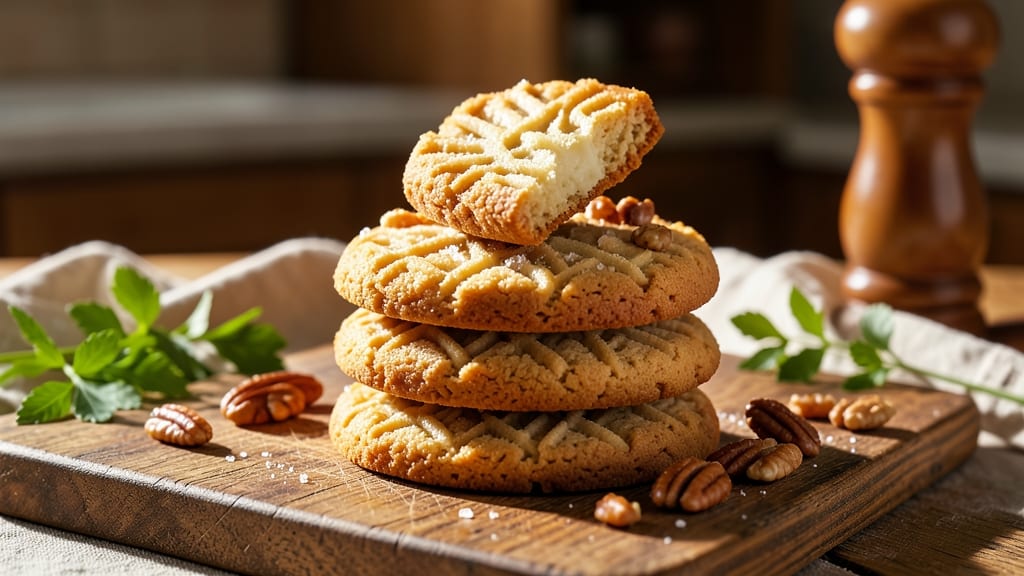
This Amish shortbread cookie recipe delivers crumbly butter magic with just 10 minutes of active prep—no mixer required. The secret lies in cold butter and a foolproof technique that creates those signature tender crumbs with crisp edges.
I first tried this recipe during a Pennsylvania Amish country visit, where homemade treats were always the highlight of any gathering.
What makes these cookies special is their simplicity: five ingredients and a no-fuss method that still delivers restaurant-quality results. The dough comes together in minutes, but the 30-minute chill in the fridge is crucial—it prevents spreading and ensures that perfect melt-in-your-mouth texture.
Traditional Amish cooks often used lard for richness, but this version keeps the classic flavor with butter for a lighter touch.
By the time they emerge from the oven, you’ll have golden brown cookies that crumble apart at the slightest touch, revealing a buttery, melt-in-your-mouth center. The aroma alone—warm vanilla and toasted butter—will have everyone asking for seconds.
These cookies stay fresh for days, making them perfect for gifting or stashing in your pantry for quick treats.
For variations, try adding toasted pecans or a touch of orange zest for a festive twist. The recipe scales easily, so double the batch for holiday gatherings. Here’s how to make them—simple, traditional, and impossible to resist.
Ingredients for amish shortbread cookie
Five simple ingredients transform into melt-in-your-mouth Amish shortbread cookies with signature crumbly texture.
| Ingredient | Amount | Notes |
|---|---|---|
| Unsalted Butter 🧈 | 1 cup | Cold, cubed for even texture |
| All-Purpose Flour 🌾 | 2 cups | Sifted for light crumb |
| Granulated Sugar 🍚 | ¼ cup | Superfine preferred for smoothness |
| Pure Vanilla Extract 🌿 | 1 tsp | High-quality, no alcohol |
| Diamond Crystal Kosher Salt 🧂 | ½ tsp | Fine grain for even distribution |
| Toasted Pecans (optional) 🥜 | ½ cup | Chopped, for festive variation |
The butter is non-negotiable here—European-style unsalted butter like Plugrá or Kerrygold delivers that rich, toasty flavor. Grab it from the refrigerated section at Whole Foods or your local specialty grocer, not the regular supermarket dairy aisle. The flour should be sifted before measuring—this removes lumps and ensures those signature tender crumbs. For the sugar, superfine sugar dissolves more easily, but regular granulated works in a pinch if you pulse it in a food processor. Traditional Amish recipes often used lard, but butter creates a lighter, more delicate texture that still packs maximum flavor.
No vanilla extract? Vanilla bean paste works beautifully, or a pinch of ground cinnamon adds warmth. Running short on pecans? Toasted walnuts or almonds provide a similar crunch. The salt is crucial—Diamond Crystal kosher salt dissolves more easily than table salt, but use what you have. For a festive twist, try orange zest instead of vanilla. The dough must be cold when it goes into the oven, so chill it for at least 30 minutes—this prevents spreading and ensures those perfect crisp edges.
Once baked, these cookies stay fresh for 5-7 days in an airtight container at room temperature. For longer storage, freeze the baked cookies for up to 3 months. I always portion them into small bags for gifting—they disappear fast at holiday gatherings. The butter flavor intensifies after baking, so don't be tempted to skip the chill time. These cookies reheat beautifully in a 200°F oven for 5 minutes—perfect for reviving stale cookies.
Why You'll Love This Recipe
- Butter-Soft Magic: I swear by that cold butter cut into cubes—no need to soften it first. Just mix, press, chill, and bake. The dough practically assembles itself while you sip coffee.
- Vanilla Kiss: That single teaspoon of pure vanilla isn’t just flavor—it’s the soul. The cookies smell like a bakery aisle, and the taste? Buttery, sweet, and just shy of cloying, with a whisper of warmth that lingers.
- No-Fuss Flexibility: Stash half the dough in the fridge for days—it stays fresh longer than most cookies. Bake a batch for holiday gifts, or just grab one straight from the jar when you need a quick pick-me-up.
- Budget Bliss: Five ingredients, all pantry staples. No fancy add-ins, no last-minute grocery runs. The kosher salt? A pinch is all you need, and it makes every bite sing without breaking the bank.
Step-by-step instructions for Amish shortbread cookies
Master this classic recipe with precision—where cold butter meets sifted flour for melt-in-your-mouth perfection.
Cut and Cube the Cold Butter
Remove the 1 cup unsalted butter from the refrigerator and let it sit at room temperature for exactly 10 minutes. This ensures it's pliable but not melted—you should be able to press a finger into it and leave a slight indent that slowly fills back in. Using a sharp chef's knife, cut the butter into ¼-inch cubes. The uniformity of these cubes is crucial; they should all be the same size so they melt evenly during baking.
Place the cubed butter on a parchment-lined tray and return it to the refrigerator for 15 minutes to firm back up. This chilling step prevents the butter from melting prematurely when it hits the flour, which would create a dense rather than crumbly cookie. The butter should feel firm but still yield slightly when pressed—this is the ideal texture for creating those signature shortbread flakes.
Sift and Combine Dry Ingredients
In a large mixing bowl, sift together the 2 cups all-purpose flour and 0.25 cup granulated sugar. Sifting aerates the flour and removes any lumps, which is essential for achieving that signature light, crumbly texture. Use a fine-mesh sieve for the best results—this ensures an even distribution of ingredients throughout the dough. Add the 0.5 teaspoon diamond crystal kosher salt and whisk gently to combine.
The reason we sift here is to prevent dense pockets in your cookies. When you press the dough into the pan, you want it to create those beautiful, delicate layers rather than a compact mass. Give the dry ingredients a quick stir with a wooden spoon to break up any remaining clumps, but avoid overmixing—this develops gluten and makes the cookies tough instead of tender.
Incorporate Butter and Vanilla
Add the chilled butter cubes to the dry ingredients and use your fingers to work them into the flour mixture. Press the butter pieces into the flour until they're completely coated—this creates a sandy texture that's essential for the cookie's structure. The butter should be evenly distributed with no dry flour pockets remaining. Add the 1 teaspoon pure vanilla extract and mix gently with a wooden spoon until just combined.
At this stage, the mixture should resemble coarse crumbs with visible butter pieces. If it feels too dry, you can press a few more butter cubes into it, but resist the urge to overwork it. The goal is to create a dough that holds together when pressed but still maintains its crumbly nature. If you've added the optional 0.5 cup toasted pecans, fold them in now using a gentle folding motion to distribute them evenly.
Press and Cut the Dough
Preheat your oven to 350°F and line two baking sheets with parchment paper. Transfer the dough to a piece of parchment paper and press it evenly into a ½-inch thick rectangle using your hands or the bottom of a glass. The dough should be firm but not stiff—it should hold its shape when pressed but still be pliable. For even thickness, I like to use a bench scraper to smooth the top.
Using a sharp knife or pizza cutter, cut the dough into 2-inch squares or your preferred shape. The cuts should be clean and straight for neat edges. Transfer the cut pieces to the prepared baking sheets, leaving about 1 inch between each cookie. This spacing prevents them from spreading into each other during baking, which would create a single large cookie instead of individual treats.
Bake to Golden Perfection
Bake the shortbread cookies for 12-15 minutes until the edges are light golden brown and the centers appear slightly underbaked. The cookies should look set but still feel soft to the touch—they'll continue cooking slightly as they cool. Rotate the baking sheets halfway through baking for even heat distribution, especially if your oven has hot spots.
Remove the cookies from the oven and let them cool on the baking sheets for 5 minutes before transferring to a wire rack to cool completely. This brief resting period prevents the cookies from cracking as they firm up. The result should be cookies with a delicate crumb, buttery richness, and a subtle vanilla aroma. Serve them warm for maximum tenderness, or store in an airtight container for up to 5 days—if they last that long.
Pro Tips For Making Amish Shortbread Cookie
- CHILL THE DOUGH: Amish shortbread is all about that tender crumb, and skipping this step is how you end up with dense, cakey cookies. Press the dough into the pan, pop it in the fridge for 30 minutes, then bake—this prevents spreading and guarantees clean edges. (Yes, even if you’re impatient like me.)
- USE COLD BUTTER: I learned this the hard way—soft butter means melted butter by the time it hits the oven. Scoop the butter straight from the fridge, cube it, and mix it into the flour until it’s pea-sized and crumbly. No food processor? Use your fingers to break it down. The texture makes all the difference.
- WEIGH THE FLOUR: Scooping flour from the bag is how you end up with either a dry, crumbly mess or a gummy disaster. Use a kitchen scale and measure the flour by weight (usually 2 cups = about 250g). Pack it lightly into the cup—no pressing—so it mimics the recipe’s intended ratio. (Your future self will thank you.)
- BAKE LOW AND SLOW: These cookies need time to develop their signature melt-in-your-mouth texture. Preheat to 325°F (not 350°F or higher) and bake for 12–15 minutes until just golden at the edges. Overbaking turns them dry; underbaking leaves them raw in the center. A toothpick should come out with barely a few crumbs.
Storing and reheating your leftovers
Room-Temp Storage
These cookies stay fresh for 5-7 days at room temperature when stored in an airtight container like a Mason jar or amberglass container. I like to layer them between parchment paper to prevent sticking.
The key is keeping them away from moisture—their buttery flavor actually intensifies over time, making them taste even better the next day. 🧈
Freezer Preservation
For longer storage, freeze baked cookies in a single layer on a tray before transferring to a freezer bag—this prevents them from sticking together. They’ll keep for up to 3 months without losing their signature crumbly texture.
When ready to enjoy, thaw at room temperature for 1-2 hours or warm in a 200°F oven for 5 minutes for that fresh-from-the-oven experience. ❄️
Reheating Secrets
Microwave reheating works, but I prefer the oven for best results. Spread cookies on a baking sheet and warm at 200°F for 4-5 minutes—this revives their crisp edges and buttery aroma without drying them out.
For a quick fix, wrap a cookie in a damp paper towel and microwave on low power for 10 seconds, but be careful not to overdo it. 🔥
Gift-Worthy Packaging
Amish shortbread cookies make the perfect gift—package them in cellophane bags tied with twine and a sprig of rosemary for a rustic touch. I’ve seen bakers use mini mason jars for individual servings too.
Label them with the baking date so recipients know when they’re at their peak freshness. These cookies disappear fast at holiday gatherings, so make extras! 🎁
Reviving Stale Cookies
If your cookies lose their crunch, don’t toss them! Place them on a baking sheet and bake at 300°F for 3-4 minutes to restore crispness. The butter flavor comes back stronger, and they’ll taste almost as good as fresh.
For extra moisture, brush with a tiny bit of melted butter after reheating. This trick works wonders for any buttery baked good. ✨
Nutrition facts
Frequently asked questions
Why do Amish shortbread cookies need to chill before baking?
The 30-minute chill is crucial for preventing spreading and ensuring those signature crisp edges. Cold butter melts evenly during baking, creating delicate layers instead of a dense cookie. Skipping this step often results in flat, cake-like cookies rather than the traditional crumbly texture.
Can I make this recipe without a mixer?
This recipe requires only 10 minutes of active prep with your hands—no mixer needed. The dough comes together by pressing cold butter into sifted flour until it forms coarse crumbs. Traditional Amish cooks used this exact method, and it yields perfect results.
What's the secret to getting that perfect crumbly texture?
The magic lies in cold butter cubes and sifting the flour. Cutting the butter into uniform ¼-inch cubes ensures even melting, while sifting removes lumps that would create dense pockets. Press the dough gently—overworking develops gluten and ruins the tender crumb.
Can I substitute lard for butter like traditional Amish recipes?
You can try, but the flavor and texture will differ. Lard creates a richer, denser cookie with a higher smoke point, but butter gives a lighter, more delicate crumb. If you prefer lard, use 1 cup cold lard and reduce flour by 2 tablespoons to maintain structure. Traditional Amish cooks often used lard for its long shelf life.
How do I fix cookies that spread too much?
Over-spreading usually means the butter was too warm or the dough wasn't chilled enough. For next time, ensure your butter is firm but pliable (press a finger in—it should leave a slight indent). If you've already baked them, try reheating at 300°F for 3-4 minutes to crisp them up. The key is patience—never rush the chilling step!