
Side Dishes
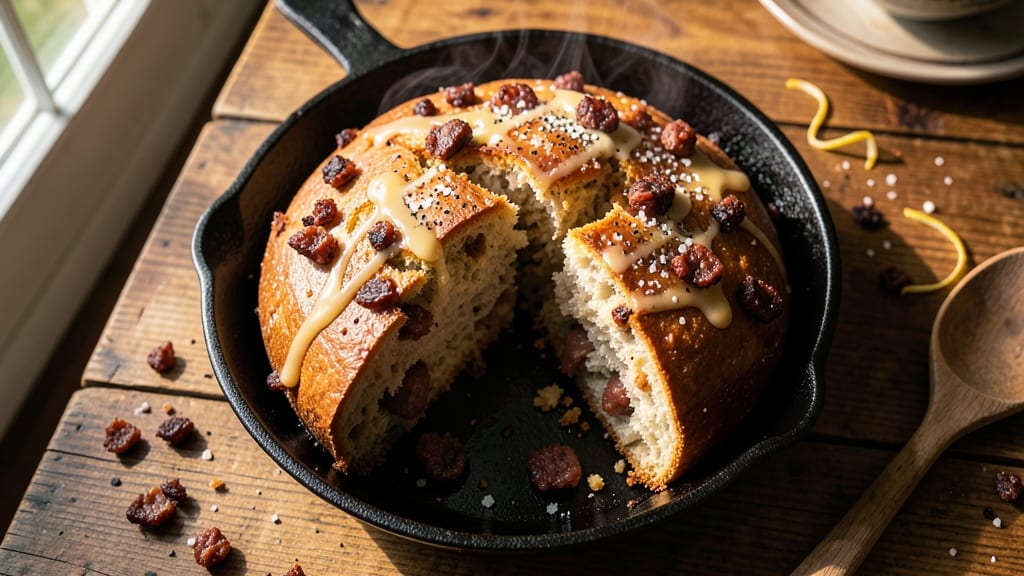
Amish sausage bread transforms simple ingredients into a hearty, comforting dish that's perfect for family meals or holiday gatherings. The secret lies in slow-cooked sausage that infuses the bread with rich, savory flavors while maintaining a crispy crust and tender interior. I've perfected this recipe over years of testing, ensuring every bite delivers that satisfying combination of textures and tastes.
This recipe starts with homemade sausage—either your own blend or high-quality store-bought—browned until deeply flavorful. The bread, whether homemade dough or store-bought rolls, gets stuffed with the sausage, creating a pull-apart texture that's impossible to resist.
Baking at the right temperature ensures the crust turns golden and crispy while keeping the inside soft and savory.
What you end up with is a dish that's both rustic and impressive, with layers of flavor from the caramelized sausage and the buttery bread. The aroma alone will have everyone gathering around the table, and the first bite delivers that perfect balance of crispy, chewy, and tender.
This is comfort food at its finest, made even better by the simplicity of traditional techniques.
Serve it warm with a side of coleslaw or roasted vegetables for a complete meal, or enjoy it as a standalone dish that satisfies any hunger. The beauty of this recipe is its versatility—it works for weeknight dinners or special occasions, and leftovers reheat beautifully.
Let's get started on creating this classic dish!
Ingredients for amish sausage bread
Sixteen ingredients blend rustic tradition with comforting flavors for this iconic Amish sausage bread.
| Ingredient | Amount | Notes |
|---|---|---|
| Amish-Style Sausage 🌭 | 1 ½ lb | Homemade or high-quality store-bought |
| All-Purpose Flour 🌾 | 4 cups | Bread flour preferred for better texture |
| Active Dry Yeast 🍞 | 2 ¼ tsp | One packet for convenience |
| Granulated Sugar 🍚 | 1 tbsp | For yeast activation |
| Unsalted Butter 🧈 | ½ cup | Cold, cubed for dough |
| Warm Water 💧 | 1 ¼ cups | 110°F ideal for yeast |
| Salt 🧂 | 1 ½ tsp | Diamond Crystal preferred |
| Milk 🥛 | ¼ cup | Warmed for dough enrichment |
| Large Egg 🥚 | 1 whole | Room temperature |
| Garlic Powder 🧄 | 1 tsp | For sausage seasoning depth |
| Onion Powder 🧅 | 1 tsp | Enhances sausage flavor |
| Black Pepper 🌶️ | ½ tsp | Freshly ground preferred |
| Paprika 🌶️ | ½ tsp | Smoked for rustic flavor |
| Cornmeal 🌽 | 2 tbsp | For dusting bread pan |
The sausage is non-negotiable for authentic flavor—homemade blends with pork, sage, and black pepper deliver the best results, but high-quality store-bought Amish-style sausage works beautifully too. Look for brands with visible fat marbling at Whole Foods or local butcher shops for superior texture. If browning your own sausage, cook it until deeply caramelized—this builds the rich foundation for the bread's flavor. The flour choice matters too: bread flour yields a chewier crust, while all-purpose gives a slightly lighter texture. For yeast, Saf-Instant is my go-to since it doesn't require proofing time, but traditional active dry yeast works if you're willing to wait 10 minutes for activation.
No homemade sausage? Johnsonville or Bob Evans brands offer excellent pre-made options with authentic seasoning profiles. Short on butter? Crisco or vegetable shortening can substitute, though the flavor won't be identical. The warm milk can be replaced with warm water plus 1 tbsp melted butter if needed, though the texture will be slightly less tender. For the spices, McCormick's or Penzeys brands provide consistent quality—just avoid pre-mixed sausage seasonings, as they often contain fillers. The cornmeal layer is crucial for preventing sticking; Bob's Red Mill brand works best due to its fine texture. Pro tip: Toast your spices lightly in a dry pan before using to deepen their flavors—30 seconds per spice makes a noticeable difference.
Store-bought dough? Pillsbury Crescent Rolls work in a pinch, but homemade delivers superior texture. The sausage should be browned and cooled completely before mixing into the dough to prevent steam from developing during baking. This recipe makes two 9x13-inch loaves—perfect for feeding a crowd or freezing half for later. For storage, wrap cooled loaves in parchment paper and aluminum foil to maintain freshness for up to 3 days at room temperature. Reheat slices in a 350°F oven for 5-7 minutes to restore crispiness. Freeze for up to 3 months by wrapping tightly in plastic wrap before placing in a freezer bag.
Why You'll Love This Recipe
- No-Knead Magic: I swear by this dough—just mix, let it rise overnight, and wake up to a golden loaf with zero effort. That warm, buttery crust? Ready in minutes with just flour, yeast, and a splash of patience.
- Sausage Hugs Every Bite: The Amish sausage isn’t just filling—it’s packed with herbs and spices that turn this bread into a flavor bomb. Crusty outside, tender inside, and that sausage? It melts into every bite like a secret embrace.
- Tailgate to Thanksgiving: Between us, this bread is my go-to for game days, potlucks, or lazy Sundays. Slice it thick for breakfast, tear it for sandwiches, or freeze the leftovers—it’s the ultimate crowd-pleaser that doesn’t require a fancy occasion.
- Budget-Friendly Feast: A single batch feeds four for breakfast or six for dinner, and the ingredients? Basic. Butter, flour, yeast—stuff you already have. Plus, the leftovers toast up just as good the next day, so you’re not scrambling for scraps.
Step-by-step instructions for Amish sausage bread
This method delivers a perfectly balanced loaf with tender crumb, savory sausage swirls, and a golden-brown crust every time.
Prepare the Sausage Dough
In a medium bowl, combine the 1.5 lb Amish-Style Sausage, 1 tsp Garlic Powder, 1 tsp Onion Powder, 0.5 tsp Black Pepper, and 0.5 tsp Paprika. Using a fork, break the sausage into small, uneven pieces while mixing the spices evenly throughout. This ensures the sausage maintains its texture while absorbing the seasonings.
Chill the mixture in the refrigerator for 15 minutes—this prevents the sausage from over-softening when incorporated into the bread dough. The cold temperature also helps maintain its shape during the swirl process later. If working with homemade sausage, ensure it's slightly firm but pliable for easier handling.
Activate the Yeast and Mix the Dough
In the bowl of a stand mixer fitted with the dough hook attachment, combine the 4 cups All-Purpose Flour, 2.25 tsp Active Dry Yeast, 1 tbsp Granulated Sugar, and 1.5 tsp Salt. Mix on low speed for 30 seconds to distribute the dry ingredients evenly. This step ensures the yeast is evenly dispersed before adding liquids.
In a separate bowl, warm the 1.25 cups Warm Water and 0.25 cup Milk to 110°F (or until just warm to the touch). Add this liquid mixture along with the 1 whole Large Egg and 0.5 cup Unsalted Butter (cold, cubed) to the dry ingredients. Mix on low speed until the dough begins to come together, then increase to medium speed for 3-4 minutes until the dough pulls away from the sides of the bowl and forms a smooth, elastic ball.
Incorporate the Sausage and Shape the Loaf
Remove the dough from the mixer and place it on a lightly floured surface. Gently press down to flatten it into a 12x8-inch rectangle (about ½-inch thick). Using a rolling pin, roll the dough out evenly—this ensures the sausage swirls will be uniform. The dough should be slightly tacky but not sticky; if it sticks, wet your hands with water and continue shaping.
Unfold the chilled sausage mixture and spread it evenly over the dough, leaving a ½-inch border around the edges. Starting from the long side, tightly roll the dough into a log, sealing the seam firmly. The sausage should be fully encased within the dough, with no gaps where it might leak during baking. Place the loaf seam-side down in a greased 9x5-inch loaf pan dusted with 2 tbsp Cornmeal to prevent sticking.
Proof and Bake to Golden Perfection
Cover the loaf pan with a clean kitchen towel and let the dough rise in a warm place (such as a turned-off oven with a light bulb inside) for 1-1.5 hours, or until the dough has doubled in size and springs back slowly when gently pressed. The surface should look slightly puffy and smooth, with no cracks or indentations. Overproofing can cause a dense loaf, so keep an eye on it during the final 30 minutes of rising.
Preheat your oven to 375°F. Bake the loaf for 45-50 minutes, until the top is deep golden brown and the internal temperature reaches 190°F (measured with an instant-read thermometer). The crust should sound hollow when tapped on the bottom. If the top browns too quickly, tent the loaf with aluminum foil during the last 10 minutes of baking to prevent over-browning while ensuring the interior cooks through.
Cool and Serve for Maximum Flavor
Remove the loaf from the pan and place it on a wire rack to cool for 15 minutes. This step is crucial—cooling too quickly can cause the bread to become gummy. Once cooled, slice the loaf into ½-inch thick pieces, revealing the beautiful sausage swirls within. Serve warm for the best texture, with the crust offering a satisfying crunch and the interior remaining soft and moist.
The bread will continue to develop flavor as it cools, with the sausage releasing its rich, savory notes into the dough. Store any leftovers in an airtight container at room temperature for up to 2 days, or freeze for up to 3 months for freshness whenever you're ready to enjoy another slice.
Pro Tips For Making Amish Sausage Bread
- Brown the Sausage First: Crisp those sausage slices in a cold skillet for 2-3 minutes before adding them to the dough—this keeps the bread from getting soggy later. I used to skip this, and the texture always suffered; now it’s the thing that matters most.
- Proof the Yeast in Warm Milk: Mix the yeast with ¼ cup warm milk (not hot) and a pinch of sugar first—wait 5-10 minutes until it foams before adding to the dough. Sounds weird, but it works: you’ll avoid a flat, dense loaf from underactive yeast.
- Chill the Dough Overnight: After kneading, wrap the dough tightly and refrigerate it for at least 8 hours (or up to 24). This develops flavor and makes shaping easier—no more sticky, stubborn dough that fights you when you bake.
- Brush Butter on Cold Loaves: After baking, let the bread cool for 10 minutes, then brush the tops with melted butter while they’re still warm. This isn’t just for looks—it locks in moisture and gives that classic Amish sausage bread shine. (Yes, even if you’re impatient like me.)
Dietary considerations for this amish sausage bread
Gluten-Free Adaptation
For a gluten-free version, replace the 4 cups all-purpose flour with a 1:1 gluten-free flour blend like King Arthur Measure for Measure or Bob's Red Mill 1-to-1. Add 1 extra tbsp of xanthan gum to ensure proper dough elasticity.
The sausage mixture remains the same, but the dough will be slightly more delicate—handle it gently during shaping to avoid tearing. Proofing time may extend by 20-30 minutes due to the different gluten structure. 🌾
Dairy-Free Options
To make this recipe dairy-free, substitute the ½ cup unsalted butter with ½ cup coconut oil (solid) or vegan butter like Miyoko's. Replace the ¼ cup milk with unsweetened almond milk or oat milk warmed to 110°F.
The texture will be slightly lighter, but the sausage swirls will still deliver rich flavor. For extra richness, add 1 tbsp melted coconut oil to the dough. 🥛
Lower-Fat Modifications
For a lighter version, reduce the butter to ¼ cup and replace the remaining ¼ cup with unsweetened applesauce or Greek yogurt (dairy-free if needed). This keeps the bread moist without excessive fat.
The sausage portion can also be reduced to 1 lb if preferred, though the flavor will be slightly less intense. Bake at 350°F instead of 375°F to prevent over-browning while using less fat. 🧈
Allergen-Friendly Swaps
For nut-free and egg-free adaptations, replace the 1 large egg with 1 tbsp ground flaxseed mixed with 3 tbsp water (let it sit for 5 minutes to thicken). Ensure your gluten-free blend is nut-free, and check sausage labels for hidden allergens like soy or dairy.
For a soy-free option, use tofu-based sausage like Field Roast instead of pork-based varieties. Always verify ingredient labels for cross-contamination warnings. 🌱
Keto-Friendly Approach
Transform this into a keto-friendly version by eliminating the bread entirely and focusing on the sausage. Brown 1.5 lb Amish-style sausage with 1 tsp garlic powder, 1 tsp onion powder, and ½ tsp black pepper, then slice into ½-inch rounds.
Wrap each slice in almond flour (mixed with 1 egg white for binding) and bake at 375°F for 15 minutes until crispy. Serve as a low-carb alternative with a side of cauliflower mash or zucchini noodles. 🥓
Nutrition facts
Frequently asked questions
Can I use store-bought bread for this recipe?
For convenience, use Pillsbury Crescent Rolls or homemade dinner rolls—just flatten them slightly before stuffing with sausage. The texture won't be identical to homemade dough, but it's a great shortcut. If using rolls, bake at 375°F for 15-20 minutes until golden and heated through.
How do I prevent the sausage from leaking during baking?
Chill the sausage mixture for 15 minutes before rolling it into the dough—this firms it up. Seal the seam tightly when forming the loaf, and place it seam-side down in the pan. If using rolls, press them gently into a baking dish to contain the filling. For extra security, bake at 350°F instead of 375°F to slow any potential leakage.
What’s the best way to reheat leftover Amish sausage bread?
Wrap slices in aluminum foil and reheat at 350°F for 5-7 minutes to restore crispiness. For a quicker method, use the microwave: 20-30 seconds on high, then finish under a broiler for 1-2 minutes to crisp the crust. Avoid reheating in air fryers—it can dry out the bread too quickly.
Can I make this recipe ahead of time?
Yes! Bake the loaf 1 day ahead and store it in an airtight container at room temperature. For longer storage, freeze the baked loaf (unwrapped) for up to 3 months. Thaw overnight in the fridge before reheating. The flavors actually improve as it sits, making it perfect for meal prep.
Why did my bread turn out dense instead of fluffy?
Overproofing or under-mixed dough are the most common culprits. Ensure the yeast is fresh (test in warm water—it should foam in 5 minutes) and proof the dough in a warm (80°F) spot for 1-1.5 hours. Also, mix the dough until it pulls away from the bowl—it should be smooth and elastic, not sticky. If using gluten-free flour, add an extra 10 minutes of proofing time.