
Side Dishes
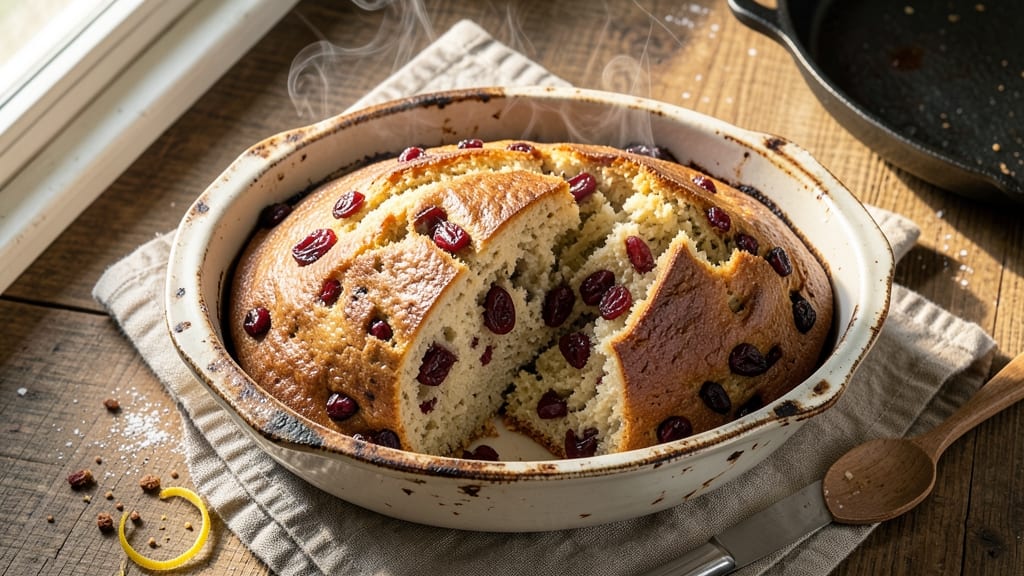
This Amish raisin bread recipe brings warm, spiced comfort to your kitchen with its signature molasses swirls and crispy golden crust. The Pennsylvania Dutch tradition lives on in every tender bite, where plump raisins and rich molasses create a perfect balance of sweetness and chewiness.
I've perfected this recipe over years of baking, ensuring it delivers that authentic homemade taste you can't find in stores.
The secret to achieving that signature texture lies in the precise combination of flour, molasses, and a touch of baking soda for that signature rise. This recipe requires patience—kneading, proofing, and baking all contribute to the final result—but the process is straightforward once you understand the key steps.
The molasses swirls add depth and a subtle caramelized flavor that makes this bread unforgettable.
By the time it emerges from the oven, you'll have a loaf with a beautifully crisp top and soft, slightly sweet interior. The raisins stay plump and juicy, while the molasses swirls add pockets of rich, caramelized flavor.
This bread pairs perfectly with butter, coffee, or even a thin layer of jam for an extra touch of sweetness.
Perfect for breakfast, brunch, or as a comforting side dish, this Amish raisin bread is a labor of love that brings warmth and tradition to your table. The aroma alone will fill your home with nostalgia, making it a recipe worth savoring every step of the way.
Ingredients for amish raisin bread
These classic ingredients bring Pennsylvania Dutch tradition to your kitchen with every tender bite.
| Ingredient | Amount | Notes |
|---|---|---|
| All-Purpose Flour 🌾 | 5 cups | Sifted for even texture |
| Unsweetened Molasses 🍯 | 1 cup | Dark, rich variety preferred |
| Granulated Sugar 🍚 | ¾ cup | White or light brown |
| Raisins 🍇 | 1 ½ cups | Plump, seedless preferred |
| Active Dry Yeast 🍞 | 2 ¼ tsp | Freshly opened packet |
| Warm Water 💧 | 1 ¼ cups | 110°F for yeast activation |
| Unsalted Butter 🧈 | ½ cup | Cold, cubed for easier mixing |
| Baking Soda 🧂 | 1 ½ tsp | Ensures proper rise |
| Salt 🧂 | ½ tsp | Kosher or sea salt |
| Ground Cinnamon 🌿 | 1 ½ tsp | Freshly ground for warmth |
| Ground Nutmeg 🌿 | ½ tsp | Freshly grated preferred |
| Vanilla Extract 🌸 | 1 tsp | Pure vanilla preferred |
The molasses is non-negotiable here—Amish Country or Blackstrap varieties give that deep, rich flavor. King Arthur Flour or Bob's Red Mill are my go-tos for the all-purpose flour, but any high-quality brand works. Raisins? Thompson Seedless are the standard, but any plump, seedless raisins will do. If you're feeling fancy, soak them in warm water for 10 minutes before adding to the dough—keeps them juicy. For the yeast, make sure it's freshly opened—old yeast won't activate properly. And trust me, the unsalted butter (not margarine) makes all the difference in that crust.
No molasses? Maple syrup at half the amount works in a pinch, but it won't be the same. Short on raisins? Dried cranberries or chopped dates add a different but delicious twist. The spices can be swapped—pumpkin pie spice works if you're in a hurry, but fresh cinnamon and nutmeg are worth the extra minute. If you don't have vanilla extract, vanilla bean paste or even a scraped vanilla bean will give you that authentic flavor. And for the love of all things crusty, don't skip the baking soda—it's what gives this bread that signature rise.
This dough needs time to rest—at least 1 hour at room temperature before shaping. Once shaped, let it rise another 30-45 minutes in a warm spot. For the molasses swirls, use a zip-top bag to roll out the mixture—no sticky mess. Bake at 375°F for 35-40 minutes until golden brown. The bread keeps well wrapped at room temperature for 3 days, or you can freeze slices for up to 3 months. I always make an extra loaf—it disappears faster than you can say 'coffee break.'
Why You'll Love This Recipe
- No-Knead Nightmare Solved: I swear by this dough—just mix, let it rise, and forget it. The molasses and yeast do all the heavy lifting while you’re scrolling or watching TV. (Yes, even on a Tuesday night.)
- Molasses Magic: That deep, caramel-like sweetness from the molasses? It’s like a warm hug in every bite. The raisins soak up the flavor, turning this bread into something dangerously addictive—especially with butter.
- Breakfast to Brunch: Slice it fresh for toast with jam, or pack it for lunch. It’s my go-to for meal prep because it stays moist for days. Honestly, I’ve had it cold, toasted, and even as a side to soup—it’s that versatile.
- Pantry Staple Power: You’re probably already stocked for this. Flour, sugar, yeast? Basic. The raisins add a little splurge, but the molasses makes it feel special without breaking the bank. Three loaves later, and I’m still not tired of it.
Step-by-step instructions for Amish raisin bread
Here's how to create that perfect balance of tender crumb and sweet molasses swirls.
Activate the Yeast and Mix the Dough
In a large mixing bowl, combine the 1.25 cups warm water, 0.75 cup granulated sugar, and 2.25 teaspoons active dry yeast. Let this mixture sit for 5-10 minutes until it becomes foamy and bubbly—this confirms your yeast is active. If it doesn't bubble, start over with fresh yeast.
Once bubbly, add the 1 cup unsweetened molasses, 1 teaspoon vanilla extract, and 0.5 cup cold unsalted butter (cubed). Mix until the butter melts slightly, then stir in the 5 cups all-purpose flour, 1.5 teaspoons baking soda, 0.5 teaspoon salt, 1.5 teaspoons ground cinnamon, and 0.5 teaspoon ground nutmeg. Use a wooden spoon or dough whisk to combine until a shaggy dough forms.
Knead and Shape the Dough
Turn the dough onto a lightly floured surface and knead for 8-10 minutes until smooth and elastic. You'll know it's ready when it springs back slowly when poked. If the dough feels too sticky, add flour 1 tablespoon at a time—but don't overdo it, or your bread will be dense.
Once kneaded, divide the dough into two equal parts. Roll each piece into a 12x6-inch rectangle about ½-inch thick. Spread the 1.5 cups raisins evenly over one rectangle, leaving a ½-inch border around the edges. Fold the plain rectangle over the raisin-filled one to create a sealed packet.
Let the Dough Rise
Place each sealed dough packet seam-side down in two greased 9x5-inch loaf pans. Cover both pans loosely with plastic wrap and let rise in a warm place for 1-1.5 hours until the dough has doubled in size and reaches the top of the pans. The bread should look puffy, and when you gently press a finger into it, the indentation should stay.
For even better results, I like to preheat my oven to 170°F (just enough to keep it warm) and turn it off after placing the pans inside. This creates a warm, consistent environment for rising without overcooking the dough.
Bake to Golden Perfection
Preheat your oven to 350°F while the dough rises. Brush the tops of the loaves with a little water or melted butter for a beautiful crust. Bake for 50-55 minutes until the tops are deep golden brown and a toothpick inserted in the center comes out clean. The bread should smell rich and caramelized—this is your cue that it's done.
Let the bread cool in the pans for 10 minutes before transferring to a wire rack. This resting period prevents the loaves from collapsing as they cool. For the best texture, slice and serve while still slightly warm.
Pro Tips For Making Amish Raisin Bread
- SOAK THE RAISINS: Toss them in warm molasses and boiling water for 10 minutes first—this plumps them up and cuts the sugar shock that makes them taste like raisin paste. I used to skip this, and the bread always felt dry around the raisins.
- DON’T OVERMIX THE DOUGH: Stir just until the flour is incorporated, then stop. That molasses is sticky, and overworking it turns the bread dense instead of tender. My first batch was a brick—now I count to 10 after the last flour addition.
- USE A THERMOMETER FOR YEAST: The water should hit 110°F (43°C) when activating the yeast—any hotter and it kills it. I learned this after a batch took 4 hours to rise because the yeast was sluggish. A cheap instant-read thermometer fixes this forever.
- STEAM THE FIRST 15 MINUTES: Place a metal tray on the oven rack below the bread pan and add boiling water. The steam locks in moisture and keeps the crust from cracking too soon—critical for that soft, pull-apart texture. (Yes, even if you’re impatient like me.)
Common mistakes when making great amish raisin bread
Over-Kneading the Dough
I’ve seen beginners go overboard with kneading, thinking more time equals better texture—but this bread is delicate. Knead for 8-10 minutes until smooth, not until it’s tough. Overworking the gluten develops too much elasticity, leading to a dense, chewy loaf instead of the tender crumb you want.
If the dough feels sticky, add flour 1 tablespoon at a time, but avoid overdoing it—too much flour makes the bread dry. 🍞
Skipping the Proofing Time
Rushing the rise is a common mistake that kills flavor and texture. The dough needs 1-1.5 hours to double in size—don’t skip this step!
A warm oven turned off with pans inside creates the perfect environment, but if you’re short on time, place pans in a 70°F room with a bowl of hot water nearby for steady warmth. Underproofed bread collapses during baking, while overproofed dough flattens instead of rising.
Using Old or Expired Yeast
Nothing ruins a recipe faster than dead yeast. Always check your packet’s expiration date—even if it’s "active dry," old yeast won’t activate. For best results, use yeast within 4 months of opening. If your mixture doesn’t bubble after 10 minutes, toss it and start fresh.
A quick fix? Sprinkle 1 tsp sugar on top to encourage activity, but fresh yeast is always better. 💡
Molasses Swirls Too Thick
The molasses mixture should be spreadable, not globby. If it’s too thick, add 1-2 teaspoons warm water to thin it out. Using a zip-top bag to roll out the molasses (place dough inside, pipe swirls) avoids sticky fingers.
Thick swirls sink into the dough instead of creating those beautiful caramelized pockets. Pro tip: Warm the molasses slightly before mixing for easier spreading.
Baking at the Wrong Temperature
This bread needs a steady 350°F oven—hotter temps burn the crust before the center cooks, while cooler temps leave it gummy. Preheat your oven for 15 minutes and use an oven thermometer to confirm accuracy.
If your bread browns too fast, tent with foil after 25 minutes to prevent over-browning. The internal temp should hit 190°F for perfect doneness.
Cutting Too Soon
Freshly baked bread needs time to set—10 minutes in the pan followed by 15 minutes on a wire rack. Slicing too early causes crumbs and a gummy texture.
For the crispiest crust, brush tops with melted butter or water before baking. Patience here makes all the difference in texture and presentation. 🍴
Nutrition facts
Frequently asked questions about Amish raisin bread
Why does this bread have a molasses swirl instead of being fully mixed?
The molasses swirl creates those signature pockets of rich, caramelized flavor that make this bread special. When baked, the swirls soften slightly while keeping their distinct taste, giving you bursts of sweetness in every bite. The traditional Amish technique keeps the raisins and molasses concentrated in certain areas for maximum impact.
Can I make this bread without molasses?
You can substitute ½ cup maple syrup for the molasses, but the flavor will be different—less deep and caramelized. For a closer match, try ½ cup honey plus ½ cup brown sugar, but the texture may be slightly denser. The molasses is key to that authentic Amish flavor, so use it if possible.
How long does this bread keep, and can I freeze it?
This bread stays fresh for 3-4 days wrapped at room temperature or 1 week in the fridge. For longer storage, slice the bread and freeze the pieces for up to 3 months. To reheat, wrap slices in foil and warm in a 350°F oven for 5-7 minutes—perfect for toast or sandwiches!
What makes this different from regular raisin bread?
This recipe uses molasses and baking soda instead of yeast as the primary leavening agent, giving it a denser, slightly sweeter texture. The Pennsylvania Dutch heritage also calls for specific spices like cinnamon and nutmeg, plus the signature molasses swirl technique. Regular raisin bread is lighter and less sweet by comparison.
Can I make this in a Dutch oven for a crustier texture?
Yes! Shape the dough into a round loaf and bake in a preheated 450°F Dutch oven for 30 minutes, then reduce heat to 350°F for another 25-30 minutes. The Dutch oven creates a crispier crust while keeping the inside tender. Just be sure to let it cool completely before slicing to prevent crumbling.