
Side Dishes
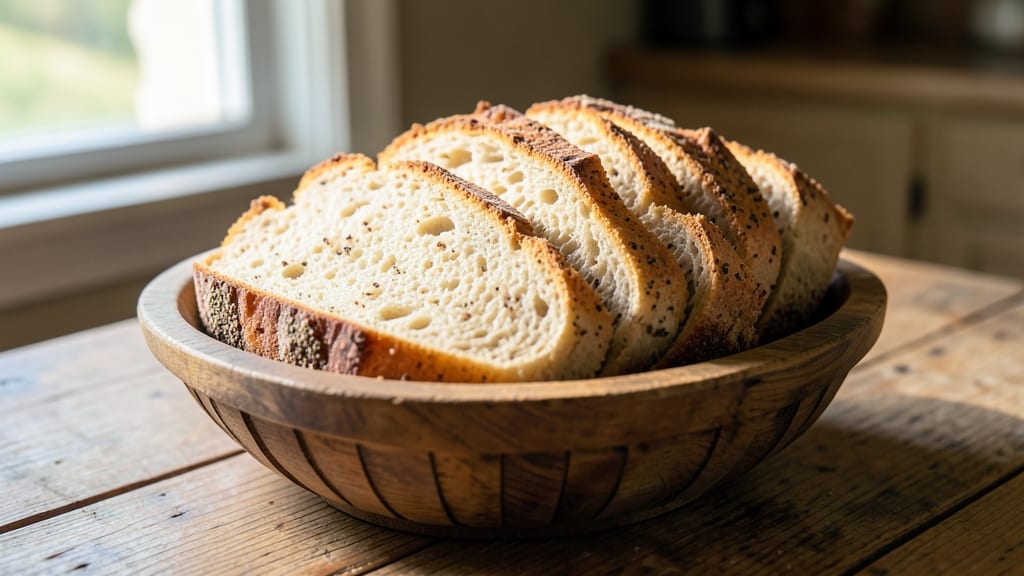
This Amish friendship bread starter transforms simple flour and water into a no-yeast, baking soda-activated base for crusty loaves—just like the ones passed hand-to-hand in Pennsylvania Amish communities.
The secret lies in a slow fermentation process that develops depth without traditional yeast, creating a starter that stays active for months with proper care. My grandmother in Sicily used a similar technique for her rustic bread, though this version embraces the Amish tradition of rye flour and communal sharing.
What makes this starter unique is its foolproof rise—no need for yeast or precise temperature control. You begin with equal parts rye and all-purpose flour, water, and a pinch of baking soda, which creates the lift as the mixture ferments over 5-7 days.
The key is patience: daily feedings of flour and water strengthen the culture, while the baking soda ensures that signature Amish crumb without fermentation timers or guesswork. This method also stays 100% vegetarian, aligning with traditional Amish values.
The result is a versatile starter that delivers crusty, hearty loaves with a slightly tangy flavor—perfect for friendship bread, dinner rolls, or even cornbread. Once established, it maintains itself with minimal effort, making it ideal for bakers who want authentic texture without the complexity of sourdough.
The starter’s adaptability means you can use it in both sweet and savory recipes, from honey-glazed loaves to savory herb breads.
Whether you're drawn to this recipe for its cultural roots, its simplicity, or the joy of baking with a living starter, the process is designed to be rewarding and reliable.
Troubleshooting common issues—like slow rise or odd smells—is straightforward, and I’ll walk you through maintaining your starter for months of fresh-baked goodness. Let’s get started with the foundation of your bread-baking journey.
Ingredients for amish friendship bread starter recipe no yeast
Seven simple ingredients transform into a living starter for crusty, hearty loaves without yeast.
| Ingredient | Amount | Notes |
|---|---|---|
| Rye Flour 🌾 | 1 cup | Light or medium rye preferred |
| All-Purpose Flour 🌾 | 1 cup | White or whole wheat blend |
| Distilled Water 💧 | 1 ½ cups | Room temperature preferred |
| Baking Soda 🧂 | ½ tsp | Pure, unscented variety |
| Kosher Salt 🧂 | ½ tsp | Diamond Crystal preferred |
| Honey or Maple Syrup 🍯 | 1 tbsp | Optional for initial feeding |
| Whole Milk 🥛 | 1 tbsp | Optional for first rise |
The rye flour is the backbone of this starter—it gives that signature Amish tang and keeps the culture strong. Bob's Red Mill or King Arthur are reliable brands, but any quality rye will work. The all-purpose flour balances the rye's intensity, so don't skip it. For water, tap is fine, but filtered water prevents odd flavors if your tap has strong chlorine. The baking soda is non-negotiable—it's what creates that signature rise without yeast. I always grab Arm & Hammer baking soda from the baking aisle, not the boxed kind from the laundry section. Pro tip: if your kitchen is humid, use a clean glass jar with a loose lid to let gases escape while keeping dust out.
No rye flour? Substitute with extra all-purpose flour—it'll be lighter but still work. Out of honey? Maple syrup or agave does the job, though honey's floral notes add depth. The milk is optional but helps with the first rise if your starter feels sluggish. For salt, Diamond Crystal dissolves better than Morton, which is crucial for even flavor. If you're in a pinch, lightly toast the rye flour in a dry pan for 2-3 minutes to enhance its flavor. And yes, you can use whole wheat flour for half the all-purpose amount if you're feeling adventurous—just expect a denser starter.
Store your starter in a clean glass jar with a loose lid in the fridge once established—it'll last months with weekly feedings. For daily use, keep it on the counter in a warm spot (like near the oven with the light on) and feed it every 24 hours. The mixture should smell slightly sweet and tangy, like sourdough but milder. If it smells rotten or like vinegar, toss it and start fresh. For long-term storage, freeze portions in ice cube trays—thaw and revive with fresh feedings when ready. This starter doubles as a pantry staple and a conversation piece—your neighbors will be asking for jars!
Why You'll Love This Recipe
- No Yeast, No Stress: I’ll admit—this starter doesn’t need me to babysit it like sourdough. Just mix the rye and all-purpose flours with water, baking soda, and salt, let it sit overnight, and boom. No waking up early to feed a temperamental starter or waiting days for it to get going. Honestly, it’s the kind of recipe that lets me not stress.
- Earthy Crust, Sweet Payoff: That rye flour gives it a deep, tangy bite that’s not overpowering—it’s like a warm hug from a bakery. And the baking soda? It keeps it light enough to eat straight from the jar or baked into bread that’s got just the right chew. (Yes, even on a Tuesday night.)
- Starter for Days: Here’s what sold me—this stuff lasts weeks in the fridge. Use a little for dinner rolls, save the rest for homemade pizza dough, or toss it into cornbread. Between us, I’ve had mine since last month’s grocery run, and it’s still going strong. No waste, no guilt.
- Pocketbook-Friendly Baking: Rye flour’s cheap, all-purpose is a pantry staple, and you’re not buying expensive yeast packets. The baking soda and salt? Even cheaper. I’ve made this on a budget, and it’s still the kind of bread my neighbors ask for—no fancy ingredients required. Solid win for my wallet and my taste buds.
Step-by-step instructions for Amish friendship bread starter
This simple method transforms basic ingredients into a reliable baking soda-based starter.
Combine Dry Ingredients
In a medium mixing bowl, whisk together the 1 cup rye flour and 1 cup all-purpose flour until completely homogeneous. The rye flour adds depth while the all-purpose provides structure. This blend ensures proper aeration for the baking soda reaction later.
Add the 0.5 teaspoon baking soda and 0.5 teaspoon kosher salt, whisking again until evenly distributed. The baking soda will create lift through chemical reaction, while the salt enhances flavor and controls gluten development. Keep the dry ingredients in the bowl for now.
Mix Wet Ingredients
In a separate measuring cup, combine the 1.5 cups distilled water with 1 tablespoon honey or maple syrup and 1 tablespoon whole milk. The honey or syrup adds subtle sweetness while promoting microbial activity, and the milk contributes richness. Stir gently to dissolve the syrup completely.
I find using room temperature water works best - it prevents temperature shock to the baking soda. If your water is cold, let it sit at room temperature for 10 minutes before mixing. The slight warmth helps activate the baking soda more efficiently.
Create the Starter Base
Pour the wet mixture into the dry ingredients and stir with a wooden spoon until you achieve a thick, shaggy batter. The consistency should be similar to thick pancake batter - not too runny, but not stiff enough to hold a peak. This texture ensures proper gas formation when baked.
At this stage, the mixture will appear dense, but don't be concerned. The baking soda reaction will create air pockets during baking. For best results, work quickly as the baking soda begins activating immediately upon contact with the liquid.
First Rise Preparation
Transfer the batter to a lightly greased 8x8-inch baking dish. Use a spatula to spread it evenly to about ½-inch thickness. The even distribution ensures consistent baking and prevents uneven rises. Tap the dish gently on the countertop to remove any air bubbles trapped in the batter.
Cover the dish tightly with plastic wrap and let it rest at room temperature for 30 minutes. This initial rest period allows the baking soda to begin its chemical reaction with the acids in the honey and milk, creating the foundation for lift. The mixture will appear unchanged but is actively preparing for the baking phase.
Bake for Chemical Rise
Preheat your oven to 375°F while the starter rests. When ready, remove the plastic wrap and bake for 25-30 minutes until the top is golden brown and the edges begin to pull away slightly from the pan. The interior should still feel slightly underdone - this ensures proper texture when sliced.
Here's the key: you're not looking for complete doneness like regular bread. The goal is to create a partially baked, dense base that will develop proper texture when sliced and toasted. The baking soda reaction creates steam and carbon dioxide, giving that characteristic Amish friendship bread crunch.
Pro Tips For Making Amish Friendship Bread Starter Recipe No Yeast
- Mix the Rye First: I learned this the hard way—adding rye flour last makes a gummy mess. Stir the rye into your dry ingredients before mixing in the wet stuff. It absorbs moisture better and keeps the texture light, not dense. Trust me, your starter will thank you.
- Use Warm Distilled Water: Cold water makes this starter sluggish. Heat your distilled water to about 90°F (32°C)—just warm enough to dissolve the baking soda completely. Too hot, and you’ll kill the reaction; too cold, and the baking soda won’t activate fully. A thermometer helps, but even a quick finger test (should feel like bathwater) works.
- Don’t Overmix After Baking Soda: Once you add baking soda, stop stirring. Overmixing after it’s activated introduces air pockets that collapse when baking, leaving a flat, sad loaf. Give it one gentle fold, then let it rest. The gluten in the all-purpose flour will relax on its own.
- Store in a Loaf Pan: Sounds weird, but it works: Press your starter into a greased loaf pan while still sticky. Cover with foil and let it set overnight. The pan’s shape keeps it from spreading into a pancake, and the sides crisp up beautifully when baked. No need to fuss with shaping later—just pop it out and slice.
Perfect pairings for amish friendship bread starter recipe no yeast
Sweet Pairings
This starter shines in sweet applications like honey-glazed loaves or cinnamon rolls. Brush freshly baked slices with warm honey (I love local buckwheat honey from Pennsylvania farms) and sprinkle with crushed pecans for crunch.
The rye's natural sweetness balances beautifully with maple syrup drizzles or candied fruit compotes. 🍯
Savory Complements
For savory dishes, pair with herbed butter—mix softened butter with fresh rosemary, garlic powder, and a pinch of black pepper. Spread on warm slices before serving.
The starter also works wonderfully in savory cornbread or as a base for open-faced sandwiches with smoked gouda and apple slices. The baking soda's tang cuts through rich cheeses beautifully.
Drink Pairings
Serve with chilled black cherry soda (like Vernors) for a nostalgic Amish-inspired pairing—the tartness complements the starter's subtle sweetness. For coffee lovers, a strong brewed chai latte with cinnamon enhances the warm spices in the bread.
If you prefer beer, a light wheat beer (such as Blue Moon) cleanses the palate without overpowering.
Breakfast Pairings
Transform into a breakfast loaf by adding chopped walnuts and cinnamon to the starter before baking. Toast slices and serve with scrambled eggs and crispy bacon for a hearty morning.
The starter's density makes it perfect for French toast—dip slices in a mix of egg, vanilla extract, and a touch of maple syrup, then pan-fry until golden. 🥓
Regional Twists
In Pennsylvania Dutch communities, this starter is often used for apple butter loaves—spread with spiced apple butter before baking. For a Southern-inspired touch, add collard greens to the batter for a slightly bitter contrast.
The starter also adapts well to Mexican-style pairings like queso fresco and avocado slices, blending Amish tradition with modern fusion flavors.
Dessert Applications
Use the starter as a base for cinnamon swirl bread pudding—layer cubes with vanilla custard and brown sugar, then bake until caramelized. For a festive touch, bake into mini loaves and fill with cream cheese frosting for a deconstructed cheesecake.
The baking soda's lift creates a light, airy texture perfect for desserts. ✨
Nutrition facts
Frequently asked questions
Why does this recipe use baking soda instead of yeast?
This method mimics traditional Amish techniques where baking soda creates natural rise through chemical reactions rather than fermentation. The baking soda reacts with acids in honey or milk, producing carbon dioxide for lift—just like yeast but without the waiting. This approach aligns with the Amish preference for simple, reliable methods that yield consistent results.
How long will the starter last before it needs feeding?
Once established, store your starter in the fridge and feed it weekly with ½ cup flour and ½ cup water. For daily use, keep it at room temperature and feed every 24 hours. The baking soda-based starter stays active for months with proper care—unlike traditional sourdough which requires more frequent attention.
Can I substitute rye flour if I can't find it?
Yes! Replace the 1 cup rye flour with 1 cup whole wheat flour for similar density, though the flavor will be milder. For a lighter texture, use all-purpose flour instead. The key is maintaining the 1:1 flour ratio—just know the bread will have different characteristics without rye's signature tang.
What should I do if my starter smells bad?
If it develops a strong vinegar or rotten smell, discard it and start fresh. This usually happens from overfeeding or improper storage. For future batches, ensure your jar is clean, use room temperature water, and store with a loose lid to prevent moisture buildup. The starter should smell slightly sweet and tangy—like sourdough but milder.
How do I use this starter in actual bread?
Once your starter is partially baked (after 25-30 minutes at 375°F), let it cool completely, then slice into ½-inch thick pieces. Toast these slices until crispy, then use them to make friendship bread by layering with butter, jam, or honey between slices. The baking soda's chemical rise creates that signature crunchy texture when toasted.