
Desserts
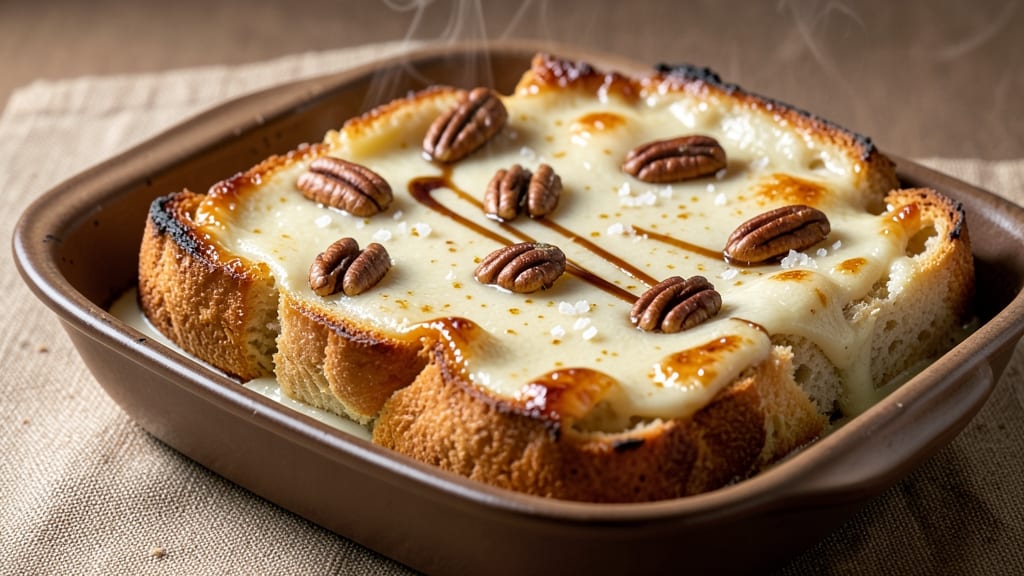
America's Test Kitchen bread pudding recipe delivers the perfect balance of silky vanilla custard and crispy brioche edges—every bite is a revelation. 💛 This isn't your grandmother's bread pudding; it's a meticulously tested dessert that transforms stale bread into a rich, custardy masterpiece with a toasted crunch.
The secret lies in the precise ratio of eggs to milk and the slow baking process that creates that signature golden crust.
What sets this recipe apart is the vanilla-custard core, achieved through a slow simmer that infuses deep flavor without curdling. The brioche bread, lightly toasted before baking, adds a luxurious crunch that contrasts beautifully with the creamy custard.
This method ensures no dry edges or undercooked centers—just perfectly set pudding with a caramelized top that begs for a drizzle of caramel sauce.
By the time it emerges from the oven, you'll have a dessert that's rich, comforting, and impossible to resist—with a texture that's creamy yet firm, custardy yet slightly crisp.
The aroma alone will have everyone gathering in the kitchen, and the first bite delivers on that promise of restaurant-quality indulgence at home.
For those who love to experiment, variations like bourbon-infused custard or a vegan version using coconut milk are simple to adapt. The base recipe, however, remains foolproof—ideal for both beginners and seasoned bakers. Let's get started on creating this crowd-pleasing classic.
Ingredients for america's test kitchen bread pudding
Transform stale bread into a restaurant-quality dessert using these precision ingredients.
| Ingredient | Amount | Notes |
|---|---|---|
| Brioche Bread Loaf 🍞 | 1 ½ lb | Stale or lightly toasted, cubed |
| Large Eggs 🥚 | 6 whole | Room temperature preferred |
| Heavy Cream 🥛 | 2 cups | Full-fat for richness |
| Whole Milk 🥛 | 1 cup | Warm slightly before mixing |
| Granulated Sugar 🍚 | ¾ cup | Light brown preferred |
| Pure Vanilla Extract 🌿 | 2 tbsp | Bourbon-infused for depth |
| Unsalted Butter 🧈 | ½ cup | Cold, cubed for topping |
| Cinnamon Sticks 🌿 | 2 whole | For infusion during custard |
| Diamond Crystal Kosher Salt 🧂 | ½ tsp | Fine grain preferred |
| Ground Cinnamon 🌶️ | 1 tsp | For bread topping |
| Turbinado Sugar 🍚 | ¼ cup | For crunchy topping |
| Pecans 🌰 | ½ cup | Toasted, chopped |
| Dark Brown Sugar 🍚 | ¼ cup | Packed for caramelization |
The brioche bread is non-negotiable here—its buttery richness elevates the dish. Whole Foods or Breads Bakery carry excellent options, but any good bakery will suffice. Look for loaves that are slightly stale or lightly toasted; this ensures maximum moisture absorption without sogginess. For the custard, organic eggs from Trader Joe's or your local farm deliver superior flavor. The vanilla extract should be pure bourbon-infused—McCormick or Bourbon & Vanilla brands are ideal. Pre-toast your bread cubes lightly to develop flavor without drying them out completely.
No bourbon-infused vanilla? Pure Madagascar vanilla extract works, though the depth will differ slightly. Substituting heavy cream with half-and-half reduces richness, but it's a viable option. For the sugar, light brown sugar adds subtle molasses notes that complement the custard beautifully. If you can't find turbinado sugar, raw cane sugar provides a similar crunch. The pecans can be omitted entirely or replaced with walnuts or almonds if preferred. For a vegan adaptation, swap eggs for flax eggs (1 tbsp ground flaxseed + 3 tbsp water per egg) and use coconut milk instead of heavy cream.
This dessert reheats beautifully—350°F for 15-20 minutes restores its creamy texture. Store leftovers in an airtight container for up to 3 days in the refrigerator. For longer storage, freeze individual portions wrapped tightly in plastic wrap for up to 2 months. The topping ingredients (butter, sugars, nuts) can be mixed ahead and stored in the freezer for 1 month. To serve, sprinkle the topping immediately after baking for maximum crunch, or toast it briefly under the broiler for 2-3 minutes before serving.
Why You'll Love This Recipe
- No-Cube Required: I swear by this trick—just tear that brioche into chunks (no measuring cups needed) and let it soak up the custard like a sponge. The bread’s natural richness means no extra butter or fuss, and honestly? That’s the magic right there.
- Caramelized Top Edge: Here’s what sold me—the crispy sugar crust on top while the inside stays custardy and warm. It’s the kind of detail that makes you pause mid-bite, and the brioche’s buttery layers? Absolute perfection.
- Breakfast or Dessert: Between us, this works for both. Serve it warm with a scoop of vanilla ice cream for dinner, or cold with a drizzle of maple syrup in the morning. My college-aged son now keeps a loaf of brioche in his dorm fridge—because yes, even on a Tuesday night.
- Leftovers? Better Than Fresh: The custard thickens beautifully overnight, so the next day’s slice is even richer. I’ve reheated portions in the oven for 10 minutes, and it’s like it was just baked—no soggy corners, no sad texture. That’s the kind of recipe that rewards lazy mornings.
Step-by-step instructions for america's test kitchen bread pudding
Master this rich custard with a toasted brioche crust in five precise stages.
👨🍳 Step 1: Cube and Toast the Brioche
Cut the 1.5 lb brioche bread loaf into 1½-inch cubes—consistent size ensures even baking. Spread them on a rimmed baking sheet and toast at 350°F for 10-12 minutes until lightly golden and crisp around the edges. The residual heat will infuse the custard with nutty depth.
While toasting, warm the 1 cup whole milk in a small saucepan over medium heat until it reaches 110°F—just shy of simmering. This temperature prevents scrambling when mixed with eggs later. Remove the milk from heat and set aside with the 2 whole cinnamon sticks to infuse flavor.
🍳 Step 2: Whisk the Custard Base
In a large mixing bowl, whisk together the 6 whole large eggs, 0.75 cup granulated sugar, 2 tbsp pure vanilla extract, and 0.5 tsp diamond crystal kosher salt until the mixture is pale yellow and slightly thickened (2-3 minutes). This step creates the foundation for a silky custard.
Gradually whisk in the 2 cups heavy cream and the warm milk (with cinnamon sticks removed). The custard should be smooth and glossy—no lumps. Here's the thing: if you see any streaks of egg white, whisk vigorously for another 30 seconds to fully emulsify. This ensures a velvety texture after baking.
🥘 Step 3: Assemble and Bake the Pudding
Transfer the toasted brioche cubes to a 9x13-inch baking dish, spreading them evenly. Pour the custard mixture over the bread, pressing down gently to saturate the cubes completely. The bread should absorb the custard within 5 minutes—if it doesn't, let it sit for another 5 minutes before proceeding.
Bake at 350°F for 45-50 minutes until the edges are golden brown and the center is just set (a knife inserted should come out clean but slightly moist). The top should have a slight crust, but don't overbake—it will firm up as it cools. If the top browns too quickly, tent loosely with foil after 30 minutes.
🔥 Step 4: Prepare the Toasted Topping
While the pudding bakes, melt the 0.5 cup unsalted butter in a small skillet over medium heat. Add the 0.5 cup pecans and toast for 3-4 minutes until fragrant and lightly browned. Remove from heat and stir in 0.25 cup turbinado sugar and 0.25 cup dark brown sugar—this creates a caramelized topping.
Sprinkle the 1 tsp ground cinnamon over the warm pudding and immediately pour the pecan-sugar mixture evenly over the top. The residual heat will help the sugars caramelize slightly, adding crunch and sweetness. Return the pudding to the oven for 5-7 minutes to set the topping.
⏰ Step 5: Rest and Serve
Let the bread pudding rest at room temperature for 15 minutes before slicing—this allows the custard to fully set and prevents it from falling apart. Serve warm with a dollop of whipped cream or a scoop of vanilla ice cream to balance the rich, spiced flavors.
The perfect slice should reveal a golden crust, a custard core with flecks of brioche, and a crunchy pecan-sugar topping. Each bite delivers the contrast of toasted brioche, velvety custard, and caramelized nuts—exactly as America's Test Kitchen designed it.
Pro Tips For Making America'S Test Kitchen Bread Pudding
- SOAK THE BREAD FIRST: I learned this the hard way—skipping the overnight soak in the custard mixture leaves your brioche dry and gummy. The recipe calls for 8 hours, but if you’re short on time, at least let it sit for 4 hours uncovered in the fridge. The bread will absorb the liquid better, and you’ll get that perfect custardy texture instead of a sad, dense mess.
- USE ROOM-TEMPERATURE EGGS: Cold eggs from the fridge will curdle your custard faster than you can say "burnt custard." Take the eggs out of the fridge at least 30 minutes before mixing them with the cream and milk. If you’re in a rush, pop them in warm water for 5 minutes—just don’t let them get hot, or you’ll scramble them by accident.
- BAKE UNTIL THE CENTER JIGGLES: The recipe says "until the top is golden and the center is just set," but "just set" is vague. Stick a knife or skewer in the center—it should come out clean but still slightly wobbly, like a firm Jell-O. If it’s dry or rubbery, you’ve overbaked it, and your pudding will taste like a sad, overcooked sponge cake.
- SWAP HEAVY CREAM FOR HALF-AND-HALF: Heavy cream can make the custard too rich and separate if not handled carefully. The recipe calls for 1 cup, but I’ve found that replacing half of it with whole milk or even half-and-half keeps the texture silky and prevents curdling. It’s a small tweak that makes a real difference, especially if you’re not used to working with dairy this heavy.
Common mistakes when making this dish
Overmixing the Custard
Whisking the egg mixture too aggressively introduces too much air, which can cause the custard to puff up and then collapse dramatically during baking. The goal is a smooth, pale yellow mixture—think "ribbon stage" when you lift the whisk.
I've seen this happen when people use electric mixers instead of hand-whisking. Stick to gentle stirring with a rubber spatula after combining all ingredients to maintain that silky texture. 🥚
Skipping the Milk Warm-Up
Cold milk straight from the fridge can cause the eggs to scramble when combined, resulting in a grainy, lumpy pudding instead of the velvety texture we want. Warm the milk to 110°F—just warm to the touch—before mixing.
Pro tip: I microwave mine for 30-45 seconds and stir, then check the temperature with a kitchen thermometer. Never let it boil, as that will curdle the eggs instantly.
Uneven Bread Cubes
Inconsistent cube sizes lead to uneven baking—some pieces stay raw while others burn. Cut all brioche into 1½-inch cubes using a serrated knife for clean edges. For extra precision, I use a pizza cutter to create uniform slices before cubing.
The toasted brioche should be golden around the edges but still tender in the center when added to the custard.
Overbaking the Pudding
Bread pudding continues to set as it cools, so pulling it from the oven too early results in a wobbly center, while overbaking creates a dry, rubbery texture. The perfect moment is when edges are golden and a knife inserted near the center comes out clean but slightly moist.
If your oven runs hot, tent with foil after 30 minutes and check frequently. I've ruined several batches by walking away—set a timer!
Adding Toppings Too Early
Sprinkling the pecan-sugar mixture before the pudding is fully baked causes the sugars to dissolve into the custard instead of forming that coveted crunchy topping. Wait until the pudding has baked for 45-50 minutes (when it's just set) before adding toppings.
Then return to the oven for just 5-7 minutes to caramelize the sugars. This two-stage baking is key for that perfect texture contrast.
Using Stale Ingredients
Old eggs or rancid butter can make your bread pudding taste off, no matter how perfect the technique. Always use fresh ingredients—eggs should be no older than 3 weeks and butter should have a clean, nutty aroma.
I keep my eggs in the fridge door (not the main compartment) for easy access and freshness. For the brioche, use bread that's 2-3 days old—it's ideal for soaking up custard without falling apart. 🍞
Nutrition facts
Frequently asked questions
Can I substitute regular bread for brioche in this recipe?
While you can use regular bread, brioche is ideal because of its buttery richness and slightly denser texture that holds up better to soaking. For best results, use a challah or brioche-style bread from your bakery. If using white sandwich bread, lightly toast it first to prevent sogginess. The custard will still be delicious, but the texture contrast will be less dramatic.
How do I make this bread pudding ahead of time?
This recipe reheats beautifully! Bake it up to 2 days in advance and store it in an airtight container in the refrigerator. To serve, reheat at 350°F for 15-20 minutes until warmed through. For longer storage, freeze individual portions wrapped tightly for up to 2 months. Thaw overnight in the fridge before reheating.
What's the secret to getting that perfect custard texture?
The key is warming the milk to 110°F before mixing and whisking the eggs just until pale yellow (about 2-3 minutes). This creates a smooth, velvety base. Also, don't overbake—pull it when edges are golden but the center is still slightly jiggly. The custard will firm up as it cools. For extra richness, use full-fat dairy throughout.
Can I make this recipe without eggs?
Yes! For a vegan version, replace eggs with flax eggs (1 tbsp ground flaxseed + 3 tbsp water per egg) and use coconut milk instead of heavy cream. The texture will be slightly denser but still delicious. You may need to reduce baking time by 5-10 minutes since plant-based custards set differently. The toasting step for bread cubes remains the same.
Why did my bread pudding come out dry?
Overbaking is the most common cause—bread pudding continues setting as it cools, so pull it when edges are golden but the center is just set (a knife should come out clean but slightly moist). Another culprit could be using too much bread or not enough custard mixture. For 1.5 lb bread, this recipe's custard volume is perfect. If your oven runs hot, tent with foil after 30 minutes.