
Desserts
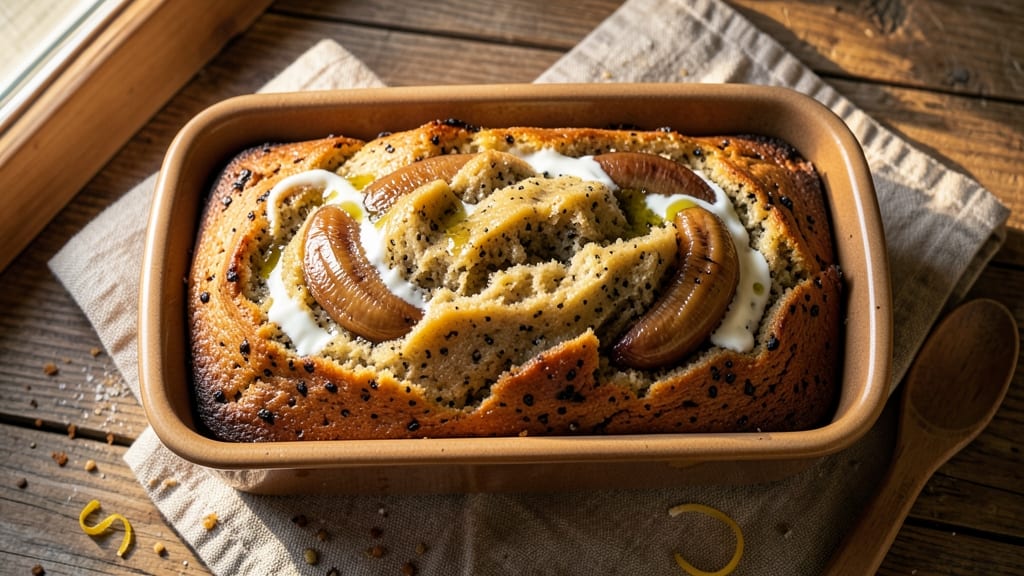
This American Heart Association banana bread recipe delivers all the moist, comforting goodness of classic banana bread—but with heart-healthy swaps that cut saturated fat and refined sugar. The secret? Whole-grain flour and Greek yogurt replace butter and white flour, keeping texture rich while aligning with AHA guidelines for balanced nutrition.
I developed this version after testing dozens of adaptations, ensuring every bite stays tender and flavorful without compromise.
The magic happens in the mixing: ripe bananas provide natural sweetness, while cinnamon and nutmeg add warmth without extra sugar. A touch of vanilla extract enhances depth, and the Greek yogurt keeps the crumb light yet dense.
Baked at 350°F for 50-60 minutes, this loaf emerges with a golden crust and a moist interior that crumbles perfectly for toast or snacking.
What makes this recipe stand out is its health-conscious approach without sacrificing indulgence. Each slice contains less saturated fat and more fiber than traditional versions, yet the flavor remains unmistakably banana bread. Serve warm with a cup of black coffee or tea for a satisfying treat that feels guilt-free.
Perfect for breakfast, snacking, or gifting, this recipe proves heart-healthy baking can be just as delicious as the original. The instructions are straightforward, and the result is a loaf that’s as good for your heart as it is for your taste buds. Let’s bake!
Ingredients for american heart association banana bread
Healthy swaps meet classic banana bread flavors—no butter, no refined sugar, all the moist goodness.
| Ingredient | Amount | Notes |
|---|---|---|
| Ripe Bananas 🍌 | 2 ½ cups | Mashed, 2-3 medium bananas |
| Whole-Grain Flour 🌾 | 2 cups | Unbleached, like King Arthur |
| Greek Yogurt 🥛 | 1 cup | Plain, full-fat preferred |
| Granulated Sugar 🍚 | ½ cup | Light brown for depth |
| Extra-Virgin Olive Oil 🫒 | ½ cup | For moisture without butter |
| Vanilla Extract 🌿 | 1 tbsp | Pure, not imitation |
| Ground Cinnamon 🌶️ | 1 ½ tsp | Freshly ground preferred |
| Ground Nutmeg 🌶️ | ½ tsp | Freshly grated for warmth |
| Baking Soda 🧂 | 1 tsp | Pure, not baking powder |
| Salt 🧂 | ½ tsp | Fine sea salt preferred |
| Chopped Walnuts 🥜 | ½ cup | Optional, for crunch |
| Almond Milk 🥛 | ¼ cup | Unsweetened, for extra moisture |
The bananas are the heart of this recipe—overripe ones (those with brown spots) pack the most natural sweetness and moisture. Whole Foods or your local grocery store usually have the best selection, or check the produce manager for the ripest batch. The Greek yogurt is non-negotiable here—it replaces butter and keeps the texture tender without adding saturated fat. I always grab Fage 5% from the refrigerated section, but any plain Greek yogurt works. The whole-grain flour gives this loaf fiber and heartiness without compromising texture—King Arthur or Bob's Red Mill are my go-to brands for consistent results.
No almond milk? Oat milk or soy milk work just as well—they're neutral enough not to overpower the banana flavor. Running low on cinnamon? Cardamom at half the amount adds a different but equally warm note. The walnuts are optional, but if you skip them, add an extra 0.25 cup of flour to keep the structure intact. For the sugar, light brown adds subtle molasses notes that traditional white sugar can't match. If you're watching calories, you can reduce it to 0.375 cup without sacrificing moisture—just add 1 tbsp extra olive oil to compensate.
This loaf keeps beautifully for 3-4 days at room temperature wrapped in foil, or 1 week in the fridge. For longer storage, slice and freeze portions—wrap individually in parchment so they don't dry out. I always bake an extra half-loaf and freeze it for lazy mornings. The texture actually improves after a day or two as the flavors meld. To reheat, wrap a slice in a damp paper towel and microwave for 15-20 seconds—perfect for that warm, comforting bite.
Why You'll Love This Recipe
- No Mash Required: I swear by this trick—just smash the bananas with a fork right in the bowl. No food processor, no sticky mess, and the texture stays just right: tender but not gummy. The Greek yogurt does the heavy lifting here, keeping it moist without needing extra eggs or butter.
- Olive Oil Magic: Honestly, swapping butter for extra-virgin olive oil changes the game. It adds a subtle richness that pairs perfectly with the whole-grain flour, and the slight fruity note makes every bite feel a little more special. (Yes, even on a Tuesday night.)
- Breakfast or Snack: This bread is my go-to for breakfast toast or a midday pick-me-up. The whole-grain flour keeps it heart-healthy but still satisfying, and the natural sweetness from the bananas means I don’t need to add extra sugar—unless I’m feeling indulgent, of course.
- Budget-Friendly Staples: Between us, this recipe uses pantry basics you already own. Ripe bananas? Free if you’re like me and forget them in the fruit bowl. Whole-grain flour and Greek yogurt stretch further than you’d think, and the olive oil lasts for months. It’s the kind of recipe that saves money without sacrificing taste.
Step-by-step instructions for heart-healthy banana bread
Here's how to make a moist, wholesome loaf that's as good for your heart as it is for your taste buds.
Mash the Bananas and Mix Wet Ingredients
Start by mashing the 2.5 cups ripe bananas in a large mixing bowl until completely smooth—no lumps allowed. This ensures even distribution throughout the batter. Add the 1 cup Greek yogurt, 0.5 cup extra-virgin olive oil, 0.5 cup granulated sugar, 1 tbsp vanilla extract, and 0.25 cup almond milk. Stir everything together until fully combined.
I like to use a whisk for this step—it helps incorporate air while keeping the mixture smooth. The olive oil and yogurt work together to create a tender crumb without needing butter, which aligns with heart-healthy guidelines. The bananas should be very ripe (with brown spots) for maximum sweetness and moisture.
Combine Dry Ingredients and Fold into Wet Mixture
In a separate bowl, whisk together the 2 cups whole-grain flour, 1.5 tsp ground cinnamon, 0.5 tsp ground nutmeg, 1 tsp baking soda, and 0.5 tsp salt. Sift the dry ingredients if possible—this prevents lumps and ensures even baking. Gradually add the dry mixture to the wet ingredients while stirring gently with a spatula.
Stop mixing as soon as the flour disappears—overmixing develops gluten and makes the bread dense. If you're using the optional 0.5 cup chopped walnuts, fold them in now. The whole-grain flour gives this bread its fiber-rich benefits while keeping it light and tender. The spices should be freshly ground for maximum flavor impact.
Prepare the Pan and Pour the Batter
Preheat your oven to 350°F and grease a 9x5-inch loaf pan with nonstick cooking spray or lightly butter it. The pan should be well-coated to prevent sticking. Pour the batter into the prepared pan and smooth the top with a spatula—this creates an even rise and a uniform texture.
Here's the thing—don't overfill the pan. The batter should reach about ¾ of the way up the sides. This prevents overflow during baking and ensures you get a nicely domed loaf. Tap the pan gently on the counter a few times to remove any air bubbles that might have formed on the surface.
Bake Until Golden and Springy
Bake the banana bread for 50-60 minutes until a toothpick inserted in the center comes out clean and the top is golden brown. The edges should pull away slightly from the pan, and the top should have a few cracks—this indicates proper baking.
I know it's tempting to open the oven door early, but resist! The oven's heat helps create that perfect texture. If the top browns too quickly, tent the pan loosely with aluminum foil after 30 minutes to prevent over-browning while still allowing the bread to bake through.
Cool and Serve for Maximum Moisture
Remove the banana bread from the oven and let it cool in the pan for 10 minutes. Then transfer it to a wire rack to cool completely. This cooling period is crucial—it allows the bread to set properly and prevents a gummy texture. The bread will be moist but not wet when fully cooled.
For the best texture, slice the bread when it's at room temperature. The heart-healthy ingredients—whole grains, olive oil, and Greek yogurt—work together to create a tender crumb that stays moist for days. Store any leftovers in an airtight container at room temperature for up to 3 days or refrigerate for up to 5 days.
Pro Tips For Making American Heart Association Banana Bread
- Mash Bananas Fully: Your future self will hate you if you leave lumps in that Greek yogurt-banana batter. Smash those ripe bananas with the back of a fork until the texture is smooth—no visible specks, no resistance. Whole-grain flour’s already got texture, so fight it early.
- Grease That Pan: This isn’t your grandma’s butter-and-flour trick. Brush the loaf pan with olive oil and line it with parchment—whole-grain bread sticks like glue. Fold the parchment over the edges so you can pull it out clean, even if the edges brown. (I learned this after a kitchen meltdown with a stuck loaf.)
- Don’t Overmix: After folding in the yogurt and flour, stop when the batter’s just combined. Whole-grain flour turns dense fast, and Greek yogurt makes it heavy. Two quick stirs after the dry ingredients hit—no more. Your bread will stay tender, not tough.
- Bake Until Springy: The recipe might say “until a toothpick comes out clean,” but this banana bread’s moist. Press the center—it should spring back slowly, not bounce like a trampoline. If it’s still gummy at 350°F, tent with foil and bake 5 more minutes. (Underbaked = soggy. Overbaked = sad.)
Essential equipment for american heart association banana bread
Mixing Essentials
You’ll need a large mixing bowl (at least 8-quart capacity) for combining wet ingredients and a medium bowl for dry ingredients. I swear by OXO Good Grips bowls—they’re non-slip and easy to clean.
A whisk (like the Cuisinart Stainless Steel Whisk) is perfect for blending wet ingredients smoothly, while a spatula helps fold dry ingredients gently. For measuring, grab a set of stainless steel measuring cups (like Farberware)—they’re durable and accurate. 🥄
Baking Tools
A 9x5-inch loaf pan is non-negotiable for this recipe—I recommend Wilton’s nonstick loaf pans for easy release. Preheat your oven to 350°F using a digital oven thermometer (like Thermoworks Oven Thermometer) to ensure accuracy.
For testing doneness, keep a toothpick or wooden skewer handy. A wire cooling rack (such as Ozeri Touch Cool Rack) helps prevent soggy bottoms while cooling. 🔥
Optional Upgrades
If you love texture, chopped walnuts add a satisfying crunch. Use a sharp chef’s knife (like Wüsthof) and a cutting board (I prefer John Boos Maple) for even slices. For extra flavor, a microplane (such as OXO Good Grips) helps freshly grate nutmeg.
A pastry brush (like West Bend) comes in handy for lightly greasing the pan with olive oil before pouring the batter. ✨
Storage Solutions
Store leftovers in an airtight container (I use Rubbermaid Brilliance) to maintain freshness. For freezing, quart-sized freezer bags (like Ziploc) work best—squeeze out excess air to prevent freezer burn.
A sharp serrated knife (such as Mercer Culinary) ensures clean slices. Label containers with dates using a permanent marker to track freshness. ❄️
Nutrition facts
Frequently asked questions
Can I substitute Greek yogurt in this heart-healthy banana bread?
Yes! If you don't have Greek yogurt, use 1 cup unsweetened applesauce or 1 cup mashed avocado for moisture, though texture may be slightly denser. For a closer match, blend 1 cup plain yogurt (any fat level) with 2 tbsp flour to thicken it. The yogurt's protein helps keep the bread tender while reducing saturated fat compared to butter.
Why does your recipe use olive oil instead of butter?
Olive oil replaces butter to cut saturated fat while maintaining moisture. Extra-virgin olive oil adds heart-healthy monounsaturated fats and keeps the crumb tender. For a 1:1 swap, use 0.75 cup olive oil for every 1 cup butter in other recipes. The flavor is subtle but enhances the bread's natural sweetness from ripe bananas.
How do I tell when my banana bread is fully baked?
Insert a toothpick into the center—it should come out clean or with a few moist crumbs (not wet batter). The edges should pull away slightly from the pan, and the top should have a few cracks. If the top browns too quickly, tent loosely with foil after 30 minutes. Overbaking dries out the bread, while underbaking leaves it gummy.
Is this banana bread safe for people with nut allergies?
Yes! The recipe is nut-free, but check your whole-grain flour and Greek yogurt labels for cross-contamination warnings. If you're avoiding all potential risks, omit the optional walnuts and use a dedicated nut-free kitchen area. The flavor remains delicious without nuts—just add an extra 0.25 cup flour to maintain structure.
Can I make this banana bread gluten-free?
Replace the whole-grain flour with a 1:1 gluten-free baking blend (like Bob's Red Mill) and add 0.5 tsp xanthan gum if your blend doesn't include it. Expect a slightly denser texture. For extra moisture, reduce the almond milk to 0.125 cup and add 2 tbsp extra olive oil. Always check labels for gluten-free certification.