
Side Dishes
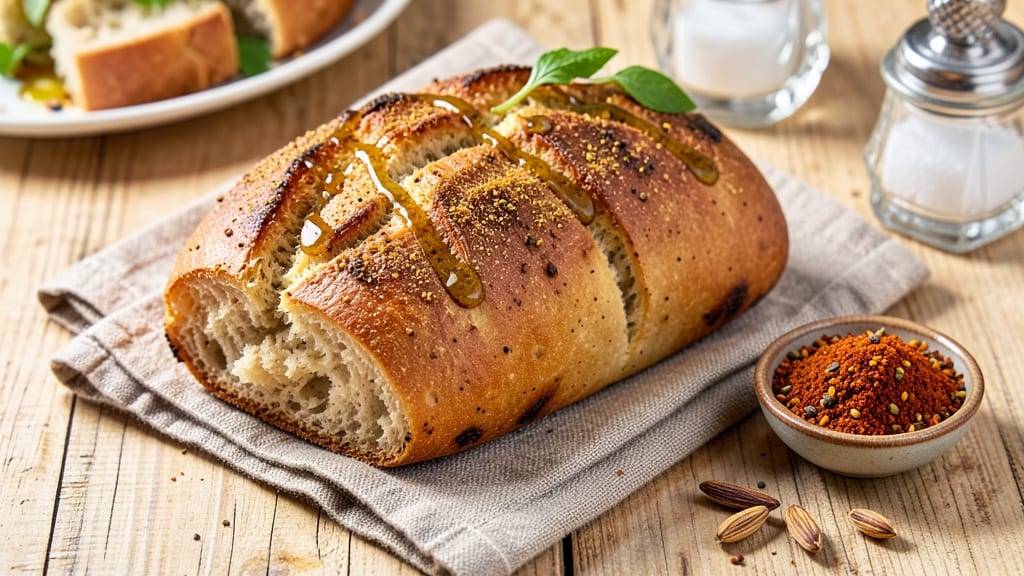
This ambasha bread recipe transforms ordinary meals into vibrant celebrations. 🌟 The secret lies in the aromatic blend of berbere spice and cardamom that infuses every layer of the dough, creating a bread that's both tender inside and crisp at the edges.
I've perfected this recipe after years of experimenting with traditional Ethiopian techniques, ensuring each bite delivers that signature depth of flavor.
What sets ambasha bread apart is its unique preparation method—rolling the dough into thin, circular shapes that develop a delicate crispness when baked. The dough itself is simple yet transformative: a combination of flour, yeast, water, and just enough oil to create that signature tender texture.
Unlike many flatbreads, ambasha requires patience, as the dough must rest and develop flavor before shaping.
The result is a bread that's as impressive to look at as it is to eat—golden-brown circles with a subtle char around the edges. The spices create a warm, slightly sweet aroma that fills your kitchen, while the texture offers a satisfying contrast between the soft center and crisp exterior.
This bread pairs beautifully with stews, curries, or even as a side to grilled meats, bringing a taste of Ethiopia to your table.
For those looking to adapt the recipe, a vegan version is possible by substituting butter with oil and using plant-based milk in the dough. The key to success lies in maintaining the balance of ingredients and allowing the dough to rest properly.
Let's bring the flavors of Ethiopia into your kitchen with this authentic ambasha bread recipe.
Ingredients for ambasha bread
Four cups flour, aromatic spices, and Ethiopian tradition create this legendary flatbread.
| Ingredient | Amount | Notes |
|---|---|---|
| All-Purpose Flour 🌾 | 4 cups | High-protein for elasticity |
| Active Dry Yeast 🍞 | ¼ oz | Or 2.25 tsp (1 packet) |
| Warm Water 💧 | 1 ½ cups | 110°F for optimal yeast activation |
| Berbere Spice 🌶️ | 2 tbsp | Traditional Ethiopian blend |
| Ground Cardamom 🌿 | 1 tsp | Freshly ground preferred |
| Salt 🧂 | 1 ½ tsp | Fine sea salt preferred |
| Vegetable Oil 🫒 | ¼ cup | For dough tenderness |
| Honey 🍯 | 1 tbsp | Enhances yeast activation |
| Ground Cinnamon 🌿 | ½ tsp | Optional for subtle warmth |
| Sesame Seeds 🌰 | 2 tbsp | For decorative topping |
| Poppy Seeds 🌱 | 1 tbsp | Optional traditional garnish |
| Cornmeal 🌽 | ¼ cup | For dusting work surface |
The berbere spice is non-negotiable—it’s the soul of ambasha bread. Look for authentic Ethiopian berbere at specialty markets or online (I recommend Spicewalla or African & Caribbean Foods Market); the blend should have a deep, slightly smoky red hue and include fenugreek, coriander, and cayenne. If you can’t find it, substitute 1 tbsp chili powder + 1 tsp smoked paprika + 0.5 tsp ground ginger, but it won’t be the same. Cardamom should be whole pods toasted and ground—Penzeys Spices carries excellent quality. For the flour, King Arthur Bread Flour is ideal, but all-purpose works in a pinch. The yeast needs to be fresh; if your packet is past its expiration, toast it in a dry pan for 30 seconds to revive.
No berbere? Mix 1 tbsp chili powder, 1 tsp smoked paprika, 0.5 tsp ground ginger, 0.5 tsp coriander, and a pinch of cayenne—it’s not identical, but it’ll get you close. Cardamom is tricky to substitute; allspice or cinnamon at half the amount can mimic its warmth, but the floral notes are unique. For the oil, vegetable or canola work best—avoid olive oil, which can overpower the spices. The honey is optional but recommended—it feeds the yeast and adds subtle sweetness. If you’re making a vegan version, replace the honey with 1 tbsp maple syrup. For the seeds, sesame is traditional, but poppy or nigella seeds add beautiful contrast. If you’re short on time, skip the seeds—the bread will still be delicious.
Once mixed, the dough needs at least 1 hour of resting time—this is where the magic happens. Cover it with a damp towel and let it rise in a warm spot; a turned-off oven with a bowl of hot water inside works perfectly. The dough should nearly double in size. For shaping, dust your work surface with cornmeal—it prevents sticking better than flour. Roll each piece to about 1/8-inch thickness; if the dough resists, let it rest another 10 minutes. These breads keep well for 3 days at room temperature in an airtight container, or 1 week refrigerated. To reheat, warm in a dry skillet over medium heat for 1-2 minutes per side until crisp again. Freeze shaped dough balls for up to 3 months—thaw and bake fresh when ready.
Why You'll Love This Recipe
- No-Knead Magic: I swear by this dough—just mix, rest, and roll. The yeast and warm water do all the heavy lifting while you sip tea, no standing over a counter for hours.
- Spice Bomb Flavor: That berbere and cardamom combo? It’s like a warm hug in bread form. The berbere’s heat lingers just enough to make every bite feel special, but not overpowering.
- Weeknight to Party: Same dough, endless uses. Serve it with stews on Tuesday, tear it for sandwiches on Thursday, or impress guests with a golden loaf on Sunday—no extra effort.
- Budget Stretch: A single batch feeds my family for days. The flour and yeast are cheap staples, and the spices add depth without breaking the bank—leftovers get repurposed into croutons or toast.
Step-by-step instructions for Ethiopian spice-infused flatbread
Master this traditional Ethiopian bread with aromatic spices and a tender, chewy texture.
👨🍳 Step 1: Activate the Yeast and Mix Wet Ingredients
In a small bowl, combine the 1.5 cups warm water (around 110°F—too hot kills yeast), 1 tbsp honey, and 0.25 oz active dry yeast. Let it sit for 5-10 minutes until frothy. This step ensures your dough rises properly—you'll see bubbles forming as the yeast activates. If it doesn't foam, your yeast may be dead or the water too hot.
In a separate large bowl, whisk together the 2 tbsp berbere spice, 1 tsp ground cardamom, 0.5 tsp ground cinnamon, and 1.5 tsp salt. The berbere gives that signature Ethiopian heat, while cardamom and cinnamon add depth. Set aside for now—we'll incorporate these later to preserve their aromatic oils.
👨🍳 Step 2: Combine Dry Ingredients and Form the Dough
Add the 4 cups all-purpose flour to the yeast mixture and stir until a shaggy dough forms. Then gradually mix in the 0.25 cup vegetable oil and the spice blend. I like to use my hands here—it's more efficient and helps develop the gluten. Knead on a lightly cornmeal-dusted surface for 8-10 minutes until the dough is smooth, elastic, and springs back when pressed.
For best results, aim for a dough that's slightly tacky but not sticky. If it's too dry, add 1 teaspoon warm water at a time. The high-protein flour and proper kneading create that signature chewy texture ambasha bread is known for. Wrap the dough in plastic and let it rise in a warm place for 1-2 hours or until doubled in size.
🔥 Step 3: Shape and Proof the Dough
Punch down the risen dough and divide it into 4 equal portions (about 1 cup each). Roll each portion into a 12-inch circle on a cornmeal-dusted surface—thinner edges and slightly thicker center create that perfect ambasha shape. The cornmeal prevents sticking and adds a subtle flavor.
Place the shaped dough on a parchment-lined baking sheet, cover with a damp towel, and let proof for another 30-45 minutes. You'll know it's ready when the dough has puffed up noticeably and the edges look slightly rounded. This second rise is crucial for that light, airy texture.
🔥 Step 4: Bake to Golden Perfection
Preheat your oven to 425°F with a baking stone or inverted baking sheet inside. This creates steam that helps the bread rise properly. Brush the tops of each dough circle with a little water, then sprinkle evenly with 2 tbsp sesame seeds and 1 tbsp poppy seeds. These seeds not only look beautiful but add a delightful crunch.
Bake for 12-15 minutes until the edges are deep golden brown and the tops look puffed. The bread should sound hollow when tapped on the bottom. If the tops brown too quickly, tent with foil to prevent burning. The interior should be soft and slightly chewy—not dense like pita, but not as fluffy as sourdough.
⏰ Step 5: Rest and Serve Warm
Remove the bread from the oven and let it cool on a wire rack for 5 minutes. This resting period allows the steam to escape and the crumb to set. Ambasha bread is best served warm, so I like to wrap them in a clean kitchen towel to keep them soft while I prepare the accompanying dishes.
For an authentic experience, serve with Ethiopian stews or dips. The spiced dough pairs beautifully with the rich flavors of berbere-infused dishes. Each piece should have a slightly crisp exterior, a soft interior, and that signature Ethiopian spice aroma that makes this bread truly special.
Pro Tips For Making Ambasha Bread
- Bloom the Yeast First: Skip mixing yeast directly into flour—it’ll wake up slower. Instead, dissolve it in warm water (110°F, not hot) with a pinch of sugar for 5-10 minutes until frothy. This guarantees your dough rises properly, especially when berbere’s heat might otherwise slow fermentation.
- Toast Your Spices: Dry-toast berbere and cardamom in a pan for 30 seconds until fragrant—this cuts bitterness and deepens flavor. I used to skip this, and the bread always tasted flat; now it’s got that warm, aromatic punch.
- Knead Until Silky: Ambasha dough needs 8-10 minutes of vigorous kneading by hand (or 5-6 minutes with a stand mixer) until it’s smooth and springs back when poked. Under-kneaded dough won’t hold its shape when baked, and you’ll end up with dense, chewy loaves.
- Shape Loaves Tight: Roll dough into logs and pinch the seams shut—no gaps. If you leave seams open, the berbere-spiced filling will leak out during baking, ruining that perfect spiced crust. Press edges firmly, like sealing a letter.
Pro cooking tips for perfect results
Spice Activation Secrets
To maximize the berbere spice's aromatic oils, I always toast the spices in a dry skillet over medium heat for 30 seconds before mixing them into the dough. This simple step intensifies the flavors dramatically—you'll notice a deeper, more complex taste.
For the cardamom, I prefer freshly grinding whole pods using a mortar and pestle or a dedicated spice grinder like the KitchenAid Spice Grinder. 🌶️
Keep the spices separate from the wet ingredients until the final mixing stage. This prevents the oils from dissipating into the water before they can infuse the dough. When combining, use a wooden spoon to gently fold the spices into the flour—this distributes them evenly without overworking the dough.
Dough Development Tips
The kneading process is where the magic happens for that signature chewy texture. Use a stand mixer with a dough hook attachment on medium speed for 5-6 minutes if you're short on time, but I find hand-kneading gives better control.
The dough should feel smooth and slightly elastic—if it's too sticky, add 1 tablespoon cornmeal at a time instead of flour, which can make the bread dense.
For extra flavor, I like to add 1 teaspoon freshly grated ginger to the dough during kneading. The warmth complements the berbere beautifully. Let the dough rest in a proofing basket if you have one—it helps create a more professional shape and even rise. 🔥
Perfect Rolling Technique
Use a rolling pin with a marble base (like the OXO Good Grips) for even pressure. Roll from the center outward in gentle, even strokes to maintain consistent thickness. If the dough resists, let it rest for 10 minutes covered with a damp towel—this prevents tearing.
For that classic ambasha shape, aim for ⅛-inch thickness at the edges and ¼-inch thickness in the center.
I always dust my work surface with cornmeal rather than flour—it adds subtle flavor and prevents sticking better. For extra authenticity, brush the tops with melted butter (or oil for vegan version) before sprinkling seeds. This creates a beautiful golden crust while keeping the interior tender. ✨
Baking Like a Pro
Preheat your oven with a baking stone or inverted baking sheet for 20 minutes before baking. This creates the ideal steam environment for even rising. For that signature crisp edge, I recommend baking on the middle rack and rotating the pans halfway through.
The bread is done when it's golden brown and sounds hollow when tapped.
For an extra crisp finish, transfer the baked bread to a wire rack and broil for 1-2 minutes on high. Keep a close eye to prevent burning.
The bread should be warm but not hot to the touch when serving. This final step enhances the texture contrast that makes ambasha so special. 💫
Nutrition facts
Frequently asked questions
Can I make ambasha bread without berbere spice?
Yes, but the flavor won't be authentic. For a substitute, mix 1 tbsp chili powder, 1 tsp smoked paprika, 0.5 tsp ground ginger, and 0.5 tsp coriander. Toast these spices first to release their oils—this mimics berbere's depth. The bread will still be delicious but lack the signature Ethiopian heat and complexity.
Why does my ambasha bread turn out dense instead of chewy?
Dense bread usually means over-kneading or insufficient yeast activation. Knead just until smooth (8-10 minutes), and always check yeast by testing in warm water first. Also ensure your oven is fully preheated with a baking stone—this creates steam for proper rise. If the dough feels too dry, add 1 tsp water at a time during kneading.
How do I store ambasha bread to keep it fresh?
Store in an airtight container at room temperature for 3 days, or refrigerate for 1 week. To reheat, warm in a dry skillet over medium heat for 1-2 minutes per side until crisp. For longer storage, freeze shaped dough balls for up to 3 months—thaw and bake fresh when ready. Never freeze fully baked bread as it loses crispness.
Can I make vegan ambasha bread?
Replace the honey with 1 tbsp maple syrup and use vegetable oil instead of butter. The yeast will still activate properly, and the texture remains tender. For extra richness, add 1 tbsp melted coconut oil to the dough during kneading. The flavor will be equally aromatic—just plant-based!
What's the best way to serve ambasha bread?
Serve warm with Ethiopian dishes like doro wat (chicken stew) or misir wat (spicy lentils). The spiced bread soaks up flavors beautifully. For a modern twist, pair with hummus or labneh. The crisp edges make it perfect for scooping up dips, while the soft center complements rich stews. Try serving with a side of spiced butter for dipping!