
Side Dishes
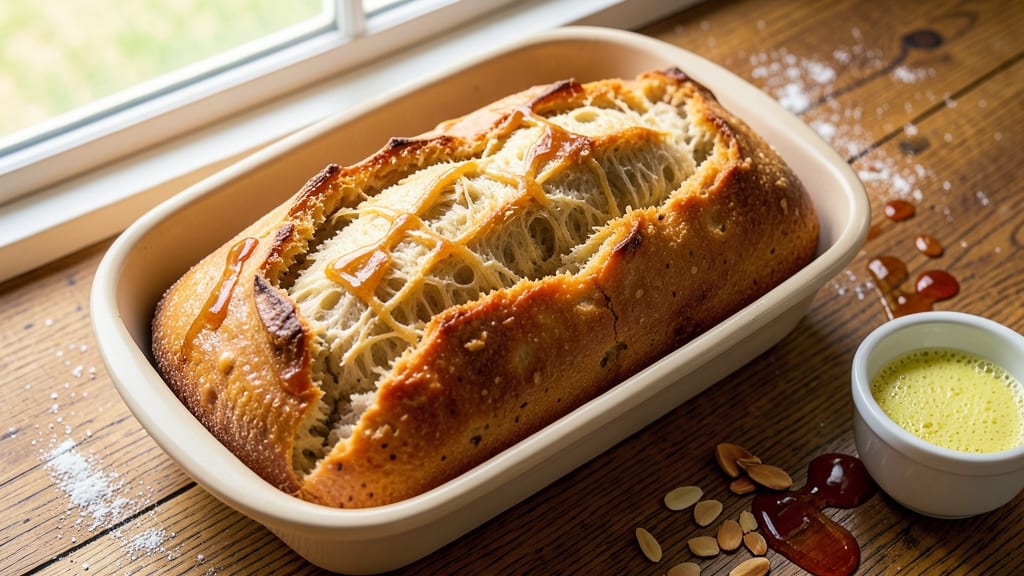
This amazing gluten-free bread recipe delivers the shatterproof crust and soft interior you crave—without the crumbly mess. I perfected it after years of trial and error, using a simple blend of rice flour, almond flour, and xanthan gum for structure.
The no-knead method means less effort but maximum flavor, with a golden crust that cracks open beautifully.
What sets this apart is the secret to avoiding dryness: a mix of warm water and honey during mixing, which creates a tender crumb. No special equipment needed—just a loaf pan and patience.
The bread bakes up tall, crispy on the outside, and soft inside, with a subtle sweetness that pairs perfectly with butter or jam.
Whether you're gluten-sensitive or just love great bread, this recipe works for everyone. The dough comes together in minutes, proofs overnight (or 2 hours at room temperature), and bakes to perfection in under an hour.
No more sad, dense loaves—just restaurant-quality bread that feels like a hug for your taste buds.
Best part? It’s adaptable—swap almond flour for coconut flour if needed, or add seeds for extra crunch. This is the gluten-free bread you’ll actually want to eat. Let’s get baking!
Ingredients for amazing gluten free bread
Mix these gluten-free staples and warm water for bread that rivals regular loaves.
| Ingredient | Amount | Notes |
|---|---|---|
| White Rice Flour 🌾 | 1 ½ cups | Fine grind for best texture |
| Almond Flour 🥜 | 1 cup | Blanched preferred for consistency |
| Xanthan Gum 🧪 | ¼ tsp | Essential for gluten-free structure |
| Honey 🍯 | ¼ cup | Warm slightly for better mixing |
| Warm Water 💧 | 1 ¼ cups | 110°F for optimal activation |
| Active Dry Yeast 🍞 | 1 ½ tsp | Or 1 packet instant yeast |
| Salt 🧂 | 1 tsp | Fine sea salt preferred |
| Olive Oil 🫒 | 2 tbsp | Extra-virgin for richness |
| Egg 🥚 | 1 whole | Large egg for binding |
| Sunflower Seeds 🌻 | ¼ cup | Optional for extra crunch |
| Loaf Pan 🍞 | 1 whole | 9x5-inch size recommended |
The flours are the foundation—Bob's Red Mill rice flour is my go-to, but any fine grind works. Almond flour adds richness, but if you're nut-free, swap it for more rice flour (just add 1 tbsp extra). Xanthan gum is non-negotiable here—it's what gives gluten-free bread its structure. I grab mine from King Arthur Flour's gluten-free section, but bulk bins at Whole Foods work too. For the honey, local raw honey adds extra depth, but any kind will do. Just make sure it's warm (not hot) when mixing to activate the yeast properly.
No xanthan gum? Psyllium husk powder at half the amount is a decent swap, though the texture won't be identical. Short on almond flour? Coconut flour works but requires extra liquid—add 2 tbsp more water per 1 cup. The seeds are totally optional, but I always toss them in for crunch. If you're baking in a humid climate, reduce water by 1 tbsp to prevent a gummy texture. The yeast should be fresh—if it's past its expiration, test it in warm water first to make sure it bubbles.
This dough is a beast for make-ahead baking. Mix everything, let it proof overnight in the fridge (that's where the magic happens), then bake when you're ready. The bread keeps well for 3-4 days in an airtight bag at room temperature, or 1 week in the fridge. For longer storage, slice and freeze—it toasts up like fresh bread. Pro tip: Brush the warm loaf with melted butter right after baking for that restaurant-quality shine.
Why You'll Love This Recipe
- No Fuss Mix-In: This dough comes together with just five ingredients—no yeast, no kneading, no waiting around. I swear, the almond flour gives it that subtle nuttiness while the xanthan gum holds it all like magic (no crumbly mess here).
- Honey-Kissed Crust: That warm water and honey combo? It’s the secret to a bread with a golden crust that’s crisp but not dry, and a crumb so tender it disappears like a dream. Honestly, my kids ask for this over regular toast—no joke.
- Meal Prep MVP: Slice it, toast it, freeze it. This bread stays fresh for days, and the slices reheat in seconds. I keep a loaf in the freezer for lazy mornings or last-minute sandwiches—no sad, stale gluten-free bread here.
- Budget-Friendly Luxury: Almond flour might sound fancy, but it stretches further than you’d think, and white rice flour keeps costs low. Between us, this tastes like artisanal bread without the bakery price tag. (Yes, even on a Tuesday night.)
Step-by-step instructions for gluten-free bread with a shatterproof crust
This no-knead method delivers restaurant-quality gluten-free bread every time—no special skills required.
Activate the Yeast for Maximum Rise
In a small bowl, combine the 1.25 cups warm water (about 110°F) with the 0.25 cup honey and 1.5 tsp active dry yeast. Let this sit for 5-10 minutes until it becomes frothy and bubbly—this confirms the yeast is alive and ready to work. If it doesn't bubble, your yeast might be expired, and you'll need to start over.
While waiting, whisk together the 1.5 cups white rice flour, 1 cup almond flour, 0.25 tsp xanthan gum, and 1 tsp salt in a large mixing bowl. The xanthan gum is non-negotiable here—it mimics gluten's binding properties and gives this bread its signature structure. Sift the dry ingredients lightly to prevent clumping, especially the almond flour which can be oily.
Combine Wet and Dry Ingredients for a Smooth Dough
Pour the yeast mixture into the dry ingredients and stir until just combined. Add the 2 tbsp olive oil and 1 whole egg, mixing gently with a wooden spoon or silicone spatula. You're aiming for a thick, sticky batter—not a smooth dough like traditional bread. It should coat the back of your spoon but still hold its shape when lifted.
If the batter feels too dry, add 1 tablespoon warm water at a time until it reaches the right consistency. The sunflower seeds can be folded in now if you're using them—they'll add texture but won't affect the rise. Let the batter rest for 10 minutes while you prepare your loaf pan.
Prepare the Loaf Pan for Perfect Rise
Generously grease your 9x5-inch loaf pan with olive oil or line it with parchment paper for easy removal. I like to brush the sides and bottom with a thin layer of oil to prevent sticking—this bread has a tendency to cling if the pan isn't properly prepared. Pour the batter into the pan and smooth the top with a wet spatula, making sure to tap the pan gently on the counter to release any air bubbles.
Cover the pan loosely with a clean kitchen towel or plastic wrap and let it rise in a warm place for 1-1.5 hours. You'll know it's ready when the batter has doubled in size and looks puffy at the edges. A good test is to gently press your finger into the batter—it should spring back slowly rather than flatten immediately. This indicates proper yeast activation and structure development.
Bake for a Shatterproof Crust
Preheat your oven to 375°F while the bread rises. When the batter is ready, place the loaf pan in the center rack of your oven and bake for 40-45 minutes. The bread is done when the top is deep golden brown and sounds hollow when tapped on the bottom. If the top browns too quickly, tent it loosely with aluminum foil after 20 minutes to prevent over-browning while allowing the crust to develop properly.
Here's the secret to that shatterproof crust: Immediately after removing the bread from the oven, let it cool in the pan for 5 minutes. Then transfer it to a wire rack to cool completely. Resist the urge to slice it warm—this bread needs time to set properly. The crust should be firm enough to crack slightly when pressed, with a beautiful golden hue that's almost caramelized in spots.
Rest and Slice for Maximum Freshness
Once completely cooled, slice the bread with a sharp serrated knife. The gluten-free structure means it won't slice as cleanly as traditional bread, but that's part of its charm. For the best texture, store any leftovers wrapped in an airtight container at room temperature for up to 3 days, or freeze slices for up to 3 months. When reheating, wrap slices in foil and warm in a 350°F oven for 5-7 minutes to restore that fresh-baked feel.
This bread holds up beautifully for toast, sandwiches, or even French toast. The combination of almond flour and xanthan gum gives it a satisfying chew, while the honey adds just enough sweetness to balance the nutty flavors. Each slice should have that satisfying crack when broken, with a tender crumb that's surprisingly close to wheat-based bread in texture.
Pro Tips For Making Amazing Gluten Free Bread
- Whisk the Xanthan Gum: Mix it into the warm water first—before adding it to the dry ingredients. I learned this the hard way when clumps turned my first batch into a dense brick. A fine sieve helps too; just don’t skip it.
- Toast the Almond Flour: Dry-toast it in a 350°F oven for 8–10 minutes until it smells nutty. This prevents that stale, raw flour taste and makes the crumb lighter. (Yes, even if you’re impatient like me.)
- Steam the Loaf: Place a metal tray under the bread pan before baking, then pour ½ cup boiling water into it when the oven hits 375°F. The steam mimics gluten’s stretch, giving you a taller rise—no sad pancake bread here.
- Measure Honey Precisely: Use a kitchen scale for the honey—10g is not the same as 1 tablespoon. Too much makes the bread gummy; too little kills the browning. I now weigh it every time, and the crust actually gets crisp.
Serving suggestions for this amazing gluten free bread
Breakfast Pairings
Start your day with this bread as the base for French toast—slice it thick, dip in a mix of 2 eggs, ¼ cup milk, and 1 tsp vanilla extract, then cook in butter until golden.
The almond flour adds a nutty richness that pairs perfectly with maple syrup. For a lighter option, try avocado toast with smashed avocado, everything bagel seasoning, and a drizzle of chili oil for a savory kick. 🥑
Lunch & Sandwiches
This bread holds up beautifully for sandwiches—try a classic grilled cheese with sharp cheddar and tomato soup on the side. For something heartier, layer with turkey breast, Swiss cheese, and honey mustard**.
The shatterproof crust won’t get soggy, even with wet ingredients. I also love it for panini presses—the structure stays intact under heat.
Dinner Sides
Serve warm slices alongside roasted vegetables like Brussels sprouts or as a side for steak or chicken. The subtle sweetness from the honey balances rich meats perfectly. For a Mediterranean twist, pair with hummus, olives, and feta cheese—the crusty texture contrasts beautifully with creamy dips. 🍗
Dessert Twists
Dip slices in melted dark chocolate and sprinkle with sea salt for a decadent treat. Or toast slices and top with whipped cream and fresh berries for a dessert bread pudding. The honey in the dough adds natural sweetness, so you can skip extra sugar if desired.
Beverage Pairings
Pair this bread with black coffee or chai tea for breakfast—its subtle sweetness complements both. For dinner, a crisp Sauvignon Blanc or Pinot Noir enhances the nutty flavors. Sparkling water with lemon also works for a refreshing contrast. ☕
Make-Ahead Serving
Slice the bread and freeze for quick toast or sandwiches later. Reheat slices in a 350°F oven for 5-7 minutes to restore freshness. The crust stays crispy even after freezing, making it perfect for meal prep.
Store leftovers in an airtight container for up to 3 days at room temperature. 📅
Nutrition facts
Frequently asked questions
Why does my gluten-free bread turn out crumbly instead of soft?
Crumbly texture usually means one of two things: either your xanthan gum needs adjusting or the dough was too dry. This recipe relies on the 0.25 tsp xanthan gum to bind the flours—never skip it! Also, if your batter feels too thick, add 1 tbsp warm water at a time until it reaches a thick but pourable consistency. The honey helps retain moisture, but over-mixing can also create a dense crumb.
Can I make this bread without almond flour?
Swap the 1 cup almond flour for 1 cup rice flour (or a 50/50 blend of rice and coconut flour), but you'll need to add 2 extra tbsp water since coconut flour absorbs more liquid. For a nut-free version, try sunflower seed flour—it adds protein and a slightly earthy flavor. Just remember, almond flour contributes to the bread's richness and moisture.
How do I know when the dough is properly risen?
Look for two key signs: the batter should double in size and have a slightly puffy, domed top. Press your finger gently into the center—if it springs back slowly (like Jell-O), it's ready. If it flattens completely, let it rise another 20-30 minutes. A warm spot (like your oven with the light on) speeds up proofing, but never exceed 2 hours total or the yeast may overproof.
Can I bake this in a different pan shape?
Yes! Use a 9-inch round cake pan or 8x8-inch square pan for a different shape, but reduce baking time by 5-10 minutes since edges cook faster. For a free-form loaf, shape the dough on a parchment-lined baking sheet and bake at 350°F for 30-35 minutes. The crust will be thicker, but the interior stays tender. Just brush with olive oil before baking for extra crispiness!
What if I don't have xanthan gum?
In a pinch, use 0.5 tsp psyllium husk powder (mix with 1 tbsp water first to form a gel), but the texture won't be identical. For a crumbly but still edible loaf, try 1 extra tbsp ground flaxseed (mixed with 3 tbsp water) as a binder. Without a binder, your bread will lack structure—this is why xanthan gum is essential in gluten-free baking. Store-bought gluten-free flour blends often include it already.