
Side Dishes
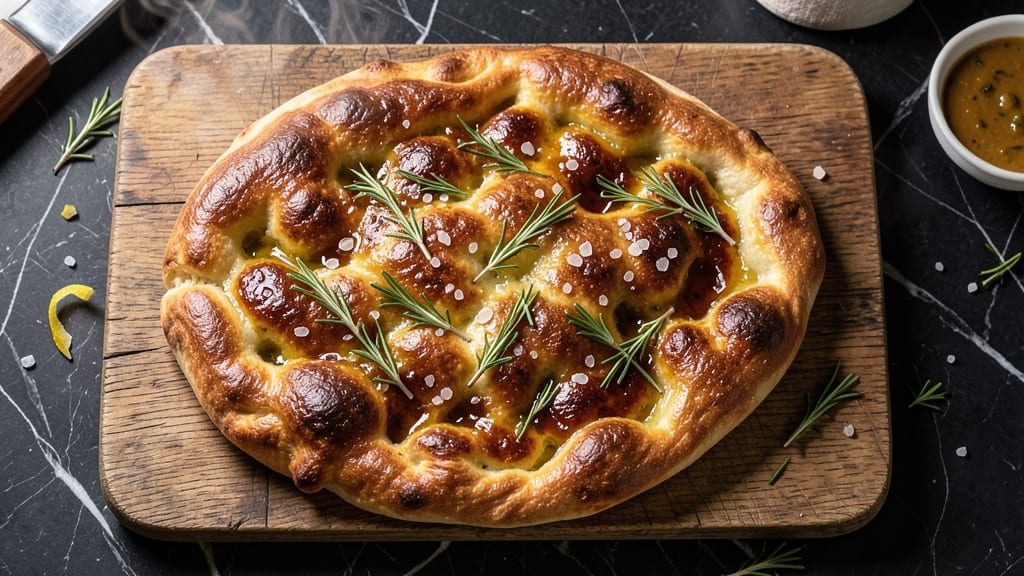
This amazing focaccia bread recipe transforms your kitchen into an Italian bakery with just a few simple ingredients and one game-changing technique. The secret? Generous olive oil that creates that signature crispy crust while keeping the interior light and airy.
I've perfected this recipe after burning through three batches (yes, really), and now it's foolproof—no more sad, dense loaves.
What makes this focaccia special is the olive oil-poofed crust that forms when you press your fingers into the dough before baking. That's where the magic happens—tiny dimples that catch the oil and create crispy pockets while the center stays tender.
We're talking restaurant-quality results with just flour, yeast, olive oil, salt, and your choice of herbs or toppings.
By the time it emerges from the oven, you'll have golden-brown focaccia with a shatteringly crisp crust and a soft, pillowy interior. The aroma alone will have everyone gathering around your kitchen, and the first bite delivers that perfect balance of crispy, chewy, and herby goodness.
This is the kind of bread that disappears faster than you can say "carbs are back."
Perfect for breakfast with olive oil and balsamic, as a side with pasta, or sliced for sandwiches. The best part? You can make it ahead and reheat it for that just-baked freshness. Let's get started on this Italian masterpiece!
Ingredients for amazing focaccia bread
Four cups of flour, a splash of olive oil, and herbs—this is your Italian bakery in a bowl.
| Ingredient | Amount | Notes |
|---|---|---|
| All-Purpose Flour 🌾 | 4 cups | Plus 2 tbsp for dusting |
| Active Dry Yeast 🍞 | ¼ oz | 1 packet or 2.25 tsp |
| Extra-Virgin Olive Oil 🫒 | 1 ½ cups | High-quality, fruity variety |
| Granulated Sugar 🍚 | 1 tbsp | Helps yeast activate |
| Diamond Crystal Kosher Salt 🧂 | 2 tsp | Adjust to taste |
| Fresh Rosemary 🌿 | ¼ cup | Chopped, stems removed |
| Fresh Thyme 🌿 | ¼ cup | Leaves only, chopped |
| Flaky Sea Salt 🧂 | ¼ cup | For topping (Maldon preferred) |
| Large Eggs 🥚 | 2 whole | Room temperature |
| Warm Water 💧 | 1 ¼ cups | 110-115°F for yeast |
The olive oil is non-negotiable here. Trader Joe's or Costco is my go-to—it's fruity and robust enough to stand up to the dough. Fresh herbs make all the difference too: rosemary and thyme from the grocery store's produce section work, but farmers market herbs have that extra punch. The yeast? Check the expiration date—old yeast means flat focaccia. And the flour? King Arthur or Gold Medal gives the best texture. Don't skimp on any of these—they're what turn this into restaurant-quality bread.
No fresh rosemary? Dried works at half the amount, but it won't be the same. Short on olive oil? Avocado oil is a decent substitute, but it lacks that authentic flavor. The eggs can be swapped for 2 tbsp melted butter if you're avoiding them, though the texture will be slightly denser. For the salt, if you can't find flaky Maldon, coarse sea salt works in a pinch. And if you're feeling fancy, add a sprinkle of crushed black pepper before baking—trust me, it's amazing with the olive oil.
This dough is a beast—it needs time to rise. Make it the night before if you can, so it's ready to bake in the morning. Store the dough in an oiled bowl, covered, in the fridge for up to 24 hours. Once baked, focaccia keeps well wrapped at room temp for 2 days or frozen for 3 months. Just reheat in a 350°F oven for 5-10 minutes to bring back that crispy magic. And if you make extra? Toast it and freeze in slices for quick sandwiches later.
Why You'll Love This Recipe
- No-Knead Magic: I swear by this method—just mix, let it rise, then dimple. No standing over a counter punching dough until my arms give out. The yeast does all the work while I sip coffee and pretend I’m not actually cooking.
- Olive Oil Luxury: That first drizzle of extra-virgin olive oil? It’s the secret weapon. The bread turns golden and crisp at the edges while staying tender inside—like a hug from Italy, but for my lunchbox. (Yes, I pack it cold for work.)
- Weeknight Swiss Army Knife: Breakfast? Tear into it. Sandwiches? Stuff it with prosciutto. Meal prep? Bake a big sheet, slice it, and freeze half. I’ve used it for bruschetta, garlic butter dipping, even as a pizza crust—it’s my go-to for lazy days and fancy nights.
- Budget-Friendly Stretch: Flour, yeast, oil, salt—these are pantry staples that won’t break the bank. One batch feeds my family for days, and the leftovers? Toast them the next morning for crunchy, buttery bites. Frugal but feels fancy.
Step-by-step instructions for olive oil-poofed focaccia
Let's create that golden, airy focaccia with a crispy crust and fragrant herb pockets—it's easier than you think!
Activate the Yeast and Mix the Dough
In a large bowl, combine the 1.25 cups warm water (test temperature by dropping a few drops on your wrist—it should feel warm but not hot) with the 1 tbsp granulated sugar and 0.25 oz active dry yeast. Let it sit for 5-10 minutes until it becomes frothy and bubbly—this means your yeast is alive and ready to work its magic.
Once bubbly, add the 4 cups all-purpose flour, 2 tsp diamond crystal kosher salt, and the 2 whole large eggs to the bowl. Using your hands or a wooden spoon, mix everything until a shaggy dough forms. Then gradually drizzle in the 1.5 cups extra-virgin olive oil while mixing until the dough comes together. You'll know it's ready when it pulls away from the sides of the bowl and forms a smooth, elastic ball.
Knead and Let the Dough Rest
Turn the dough out onto a lightly floured surface and knead for 5-7 minutes until it becomes smooth and elastic. You'll know it's ready when it springs back slowly when poked. If the dough feels too sticky, add a little more of the 2 tbsp all-purpose flour reserved for dusting.
Place the dough back in the bowl, cover it with a damp towel or plastic wrap, and let it rest at room temperature for 1 hour. This resting period allows the gluten to relax and the dough to rise slightly—you'll see it puff up a bit, which is a good sign. If your kitchen is cold, place the bowl in a slightly warm spot to help the dough rise more quickly.
Shape and Let the Dough Rise Again
After the first rise, punch down the dough to release any air bubbles, then transfer it to a greased 9x13-inch baking pan. Using your fingers, gently stretch the dough to fit the pan, pressing it into the corners to ensure even thickness. Cover the pan with a damp towel and let the dough rise again for 1-2 hours, or until it has nearly doubled in size and looks puffy and airy.
Here's the thing—this second rise is crucial for that light, airy texture. You'll know it's ready when the dough reaches the top of the pan and leaves a noticeable indent when you press it gently with your finger. If you're short on time, you can speed this up by placing the dough in a warm oven (turned off) with a bowl of hot water on the bottom shelf for 20-30 minutes.
Dimple and Bake to Perfection
Preheat your oven to 425°F while the dough is rising. Once it's ready, use your fingers to dimple the dough all over, creating pockets for the olive oil and herbs to sink into. Drizzle the surface with the remaining 2-3 tablespoons extra-virgin olive oil (just enough to make it glisten), then sprinkle evenly with the 0.25 cup chopped fresh rosemary, 0.25 cup chopped fresh thyme, and 0.25 cup flaky sea salt. Let it rest for 10 minutes so the flavors can meld.
Bake the focaccia for 25-30 minutes until the crust is deep golden brown and the top is puffed and crispy. You'll know it's done when it sounds hollow when tapped on the bottom. If the edges brown too quickly, tent the pan with aluminum foil to prevent burning.
Cool and Serve Warm
Remove the focaccia from the oven and let it cool in the pan for 5 minutes before transferring it to a wire rack. This brief cooling period helps it set slightly, making it easier to slice. Serve it warm, straight from the oven, for the best texture and flavor.
Here's the magic: the crust should be crispy and golden, while the inside remains soft and pillowy. Each bite should deliver a burst of herby, salty goodness with that irresistible olive oil richness. Save any leftovers wrapped in a clean kitchen towel to keep it fresh overnight—it's even better the next day!
Pro Tips For Making Amazing Focaccia Bread
- STRETCH THAT DOUGH: I learned this the hard way—don’t skimp on the kneading. After 10 minutes of folding the dough (yes, even if it looks messy), you’ll get that signature open crumb and airy texture. The flour will resist at first, but push through it like you’re trying to win a tug-of-war.
- SALT THE WATER FIRST: This isn’t just about flavor—it’s about structure. Dissolve the kosher salt in the warm water before adding yeast. The salt slows yeast activity just enough to give you control, and your dough won’t rise like a runaway balloon. (Trust me, I’ve seen it happen.)
- OIL THE PAN LIKE IT’S 1953: Generously brush that extra-virgin olive oil on the baking tray and the dough itself—about 2 tablespoons total. The oil creates steam, which makes the crust crisp and the bread tender. Skip this, and you’ll end up with a dry, sad focaccia that looks like it was baked in a desert.
- LET IT RISE TWICE: The first rise is obvious, but the second one? That’s where the magic happens. After shaping, let the dough rise another 30–45 minutes at room temp. This relaxes the gluten, so when you dimple it, those pockets stay open instead of collapsing like a deflated whoopee cushion. (Your future self will notice.)
Perfect pairings for these flavors
Breakfast Pairings
Start your day with this focaccia as a base for a Mediterranean breakfast platter. Top slices with whipped ricotta cheese mixed with honey and chopped pistachios, then add sliced figs and a drizzle of balsamic glaze.
The crispy crust stands up perfectly to creamy ricotta while the rosemary and thyme add earthy depth. For something heartier, spread mascarpone cheese with sliced prosciutto and a sprinkle of flaky salt. 🥗
Lunch Sandwiches
Transform focaccia into gourmet sandwiches by layering sliced mozzarella, roasted red peppers, fresh basil, and a drizzle of pesto. The crispy crust holds up beautifully to melted cheese, while the herby focaccia adds complexity.
For a Caprese-style twist, layer fresh tomato slices, burrata, and a sprinkle of coarse salt. Serve with a side of arugula salad dressed with lemon vinaigrette.
Dinner Sides
Use focaccia as a crispy bread bowl for minestrone soup or chili. Cut the loaf into thick slices, toast until golden, then hollow out the centers to create individual bowls. The focaccia's texture soaks up flavors beautifully while adding a satisfying crunch.
For a lighter option, serve alongside roasted vegetables like zucchini, bell peppers, and cherry tomatoes tossed in olive oil and garlic.
Dessert Twists
Sweet lovers, don't miss this: brush warm focaccia with melted honey and sprinkle with crushed almonds and cinnamon for a dessert focaccia. The crispy crust contrasts perfectly with the warm, sweet filling.
For a fruit-focused version, top with sliced peaches or berries and a drizzle of honey before baking. Serve with vanilla ice cream for a decadent treat. 🍯
Cheese Board Magic
Focaccia is the ultimate cheese board companion. Pair it with aged pecorino, creamy goat cheese, and sharp cheddar alongside cured meats like prosciutto and salami. The herby focaccia cuts through the richness while providing a satisfying crunch.
Add olives, marinated artichokes, and dried apricots for a well-rounded board. Drizzle with extra-virgin olive oil and balsamic reduction for extra flair.
Wine and Drink Pairings
For a white wine pairing, go with a crisp Vermentino or dry Pinot Grigio—their citrus notes complement the rosemary and thyme. If you prefer red, a light Chianti or Sangiovese balances the olive oil richness.
For non-alcoholic options, try sparkling water with lemon or Italian sangria made with white wine, peaches, and mint. The effervescence cleanses your palate between bites. 🍷
Nutrition facts
Frequently asked questions
Why does my focaccia turn out dense instead of light and airy?
Dense focaccia usually means the dough didn't get enough time to rise properly. Make sure your yeast is fresh and the water is warm (110-115°F)—too hot kills yeast, too cold slows it down. Also, don't skip the 1-hour rest after kneading and the 1-2 hour second rise in the pan. If your kitchen is cold, try placing the dough in a warm oven (off) with a bowl of hot water on the bottom shelf.
Can I make focaccia without eggs?
Replace the 2 eggs with 2 tablespoons melted butter or 2 tablespoons olive oil—just know the texture will be slightly denser but still delicious. For extra richness, add 1 tablespoon honey to the dough to help with browning. The olive oil in focaccia already makes it moist, so you won't miss the eggs much!
How do I store focaccia so it stays fresh longer?
Wrap cooled focaccia tightly in a clean kitchen towel or beeswax wrap, then store at room temperature for 2 days. For longer storage, freeze slices wrapped in parchment paper for up to 3 months. To reheat, warm in a 350°F oven for 5-10 minutes until crispy again. The towel trick keeps it soft while preventing sogginess—trust me, it's a game-changer!
What herbs can I use besides rosemary and thyme?
Get creative! Try fresh sage, oregano, or basil for Mediterranean flavors, or lemon zest and black pepper for a citrusy twist. For a savory kick, add garlic powder or crushed red pepper flakes. Just chop them finely so they distribute evenly—no big herb chunks in your bites!
Why does my focaccia crust burn before the inside is done?
This happens when the oven is too hot or the focaccia is too close to the heating element. Lower your oven to 400°F and place a baking sheet on the rack below to reflect heat upward. Also, tent the pan with aluminum foil if the edges brown too quickly. For even baking, rotate the pan halfway through the 25-30 minute bake time.