
Desserts
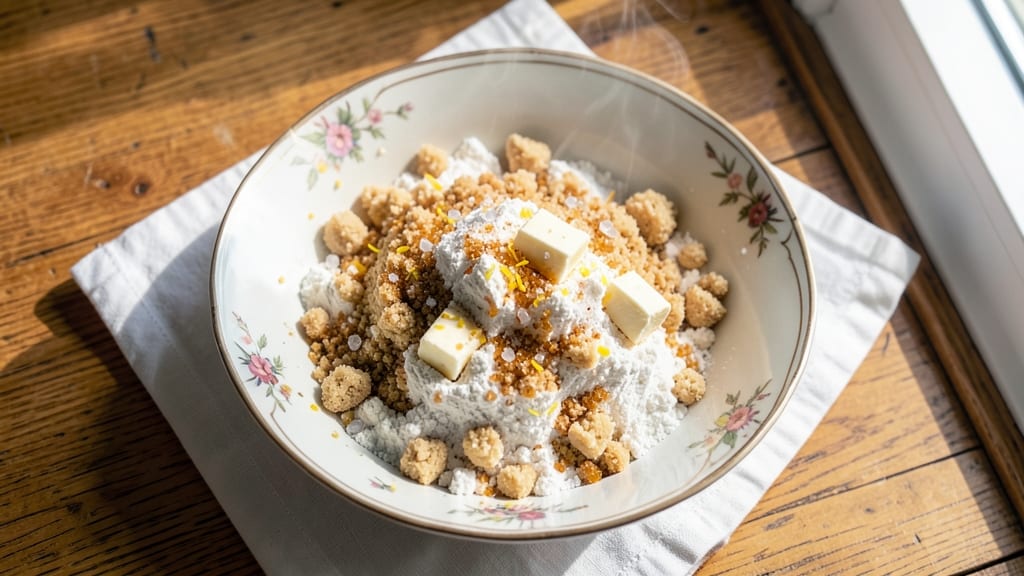
Alton Brown’s shortbread cookies deliver that signature crumbly, buttery perfection with a technique so simple it feels like magic—no mixing required. The secret lies in cold butter and precise measuring, creating those signature layers that melt in your mouth.
After years of perfecting this recipe, I’ve found the key to achieving that iconic texture without overworking the dough.
What sets these apart is the foolproof method that Alton Brown popularized: cutting the butter into flour until it resembles coarse crumbs, then pressing the dough into a pan for even baking.
This approach ensures a tender, melt-in-your-mouth center with crisp edges—no floury bite here. The result is a cookie so rich and buttery, it’s impossible to stop at just one.
Once baked, these cookies yield golden, delicate layers that stack beautifully for gifting or serving. The aroma alone—warm, buttery, and slightly sweet—will have everyone asking for the recipe.
Whether you stick to the classic version or experiment with add-ins like vanilla or citrus zest, the foundation remains the same: simplicity and precision.
Ready in just 15 minutes of prep and 20 minutes of baking, this recipe proves that the best desserts often require the least effort. The technique is beginner-friendly, yet delivers restaurant-quality results. Let’s get started on these legendary cookies.
Ingredients for alton brown shortbread cookie
Cold butter and precise flour ratios create the signature crumbly layers Alton Brown perfected.
| Ingredient | Amount | Notes |
|---|---|---|
| Unsalted Butter 🧈 | 1 cup | Cold, cubed for even distribution |
| All-Purpose Flour 🌾 | 2 cups | Sifted, Diamond Crystal preferred |
| Granulated Sugar 🍚 | ¼ cup | Fine grain for even texture |
| Vanilla Extract 🌿 | 1 tsp | Pure extract for authentic flavor |
| Kosher Salt 🧂 | ½ tsp | Fine grain for delicate seasoning |
| Lemon Zest 🍋 | 1 tsp | Freshly grated for brightness |
| Almond Extract 🌰 | ¼ tsp | Optional, for nutty depth |
The butter is non-negotiable—cold and cubed ensures those signature layers rather than a dense cookie. European-style butter like Plugrá or Land O'Lakes works best for its higher fat content, but any unsalted will do. The flour matters too: Diamond Crystal is lighter than most brands, so if you use generic, reduce by 1 tablespoon. For the sugar, fine grain dissolves more evenly, preventing graininess. Buy it in bulk at Whole Foods or King Arthur Flour—their packaging keeps it fresh longer.
No vanilla extract? Vanilla bean paste at half the amount works, but the flavor won’t be identical. Salt is critical—Diamond Crystal kosher salt dissolves cleanly, but any fine grain will suffice. The lemon zest adds brightness, but if you’re skipping it, orange zest at the same amount gives a similar pop. For the almond extract, McCormick or Frontier Co-op brands are reliable. Pro tip: measure the extract carefully—too much overpowers the delicate dough. If you’re worried about overworking, use a pastry cutter or your fingers to mix.
Store the dough in an airtight container with parchment between layers for up to 3 days—it’s best used fresh, but the flavor deepens slightly overnight. Once baked, these cookies keep for 5 days at room temperature, wrapped in parchment. For gifting, stack them between sheets of parchment in a tin—they’ll stay crisp for weeks. Freezing baked cookies in a single layer prevents sticking; thaw at room temperature.
Why You'll Love This Recipe
- No Mixing Required: That’s right—just pulse the butter, sugar, and flour in a food processor until it clumps like crumbled snow. No eggs, no fuss, no rolling out dough. My kids think I’m some kind of baking magician, but honestly? It’s just three ingredients doing their thing.
- Buttery Bliss: The secret’s in the butter-to-flour ratio (and letting it chill). That crispy edge with the melt-in-your-mouth center? It’s like a hug for your taste buds. A single bite makes me want to hide the tray—because once you try this, store-bought shortbread won’t cut it.
- Holiday or Zero Effort: Whip these up for Christmas gifts, but don’t wait for December. They’re my go-to for teacher appreciation gifts, potlucks, or just because. The vanilla’s subtle, the salt’s just right, and they freeze like champs—so you can bake once and give all season.
- Pantry Staples Only: Four ingredients, no weird substitutions. Butter, flour, sugar, salt—stuff you already own. And since they keep for weeks in an airtight tin, you’ll never waste leftovers. Between us? I’ve had these cold the next morning with coffee, and no one’s ever complained.
Step-by-step instructions for Alton Brown shortbread cookies
Master the no-mix technique for perfectly crumbly, buttery layers that separate effortlessly.
Prepare the Dough with Cold Butter
In a large mixing bowl, combine the 1 cup cold, cubed unsalted butter with the 0.25 cup granulated sugar. Using a pastry cutter or your fingers, work the butter and sugar together until the mixture resembles coarse crumbs with pea-sized butter pieces remaining. The butter must stay cold—this creates the signature flaky layers. If it softens too quickly, chill the bowl for 5 minutes before proceeding.
Add the 2 cups sifted all-purpose flour, 0.5 teaspoon kosher salt, 1 teaspoon lemon zest, 1 teaspoon vanilla extract, and 0.25 teaspoon almond extract (if using). Gently stir with a wooden spoon just until the dry ingredients are incorporated and the mixture forms a shaggy dough. Avoid overmixing—this develops gluten and ruins the delicate crumb. The dough should hold together when pressed but still feel slightly dry and crumbly.
Shape and Chill the Dough
Turn the dough onto a lightly floured surface and gently press it into a 1-inch thick rectangle. Wrap tightly in plastic wrap and refrigerate for at least 1 hour. This chilling step is critical—it firms up the butter, allowing for clean cutting and preventing the cookies from spreading during baking. For best results, chill overnight; the longer it rests, the more pronounced the flavor and texture become.
After chilling, remove the dough from the refrigerator and let it sit at room temperature for 10 minutes to soften slightly. This brief warm-up makes the dough more pliable for cutting. Preheat your oven to 325°F while the dough rests. This lower temperature ensures gentle baking that develops flavor without browning.
Cut and Bake for Perfect Layers
Using a 2½-inch round cutter, stamp out cookies from the dough, gently pressing down to ensure clean edges. Place them 1 inch apart on a parchment-lined baking sheet. You should get about 12 cookies from this dough. The cutter doesn't need to go all the way through—just enough to create a clear impression. Gather the scraps, re-form into a rectangle, wrap, and chill for 15 minutes before cutting more cookies.
Bake the cookies for 20-25 minutes until the edges are very lightly golden but the centers remain pale. The cookies should feel firm to the touch but not hard. Rotate the baking sheet halfway through for even baking. Resist the urge to overbake—shortbread should be tender, not crisp. Remove from the oven and let cool on the baking sheet for 5 minutes before transferring to a wire rack to cool completely.
Rest and Serve for Maximum Crumbliness
The final secret lies in resting. Once completely cooled, store the cookies in an airtight container at room temperature for 24 hours before serving. This resting period allows the butter to fully set, intensifying the crumbly texture and buttery flavor. Serve at room temperature for the best experience—cold cookies lose their delicate crumb and become too firm.
These cookies should separate into distinct, buttery layers with each bite. The lemon zest adds a bright citrus note that cuts through the richness, while the almond extract (if used) adds subtle depth. Store leftovers in the container for up to 5 days, or freeze for 3 months—they only get better with time.
Pro Tips For Making Alton Brown Shortbread Cookie
- Use Cold Butter—Seriously: I learned this the hard way—soft butter means more handling, which means more gluten development. Cut the unsalted butter straight from the fridge into small cubes, then pulse it in the food processor with the flour until it resembles coarse crumbs. Cold butter creates those signature flaky layers, not dense cookies.
- Weigh Your Flour—Don’t Scoop: Scooping flour from the bag packs it too tightly, throwing off the ratio. Use a kitchen scale and spoon the flour into the bowl, then level it off with a knife. Shortbread is all about precision; this tiny step keeps the texture light and buttery, not heavy or crumbly.
- Skip Overmixing the Dough: After pulsing the butter and flour, resist the urge to press it into submission. Just combine the sugar and vanilla, then mix until the dough clumps together—no more. Overworking it turns shortbread into tough crackers instead of melt-in-your-mouth cookies.
- Chill Before Rolling—Even If You’re Impatient: Yes, even if you’re eager to bake. Give the dough a solid 30-minute rest in the fridge before rolling it out. This relaxes the gluten and makes shaping the cookies effortless. Trust me, your future self will thank you when the cookies hold their shape instead of spreading into sad pancakes.
Make-ahead tips for this alton brown shortbread cookie
Dough Prep Ahead
Make the dough up to 3 days in advance and store it wrapped tightly in plastic in the fridge. The flavors meld beautifully overnight, and the butter firms up perfectly for clean cutting.
I like to press the dough into a rectangle, wrap it with parchment between layers, and place it in an airtight container. This prevents drying and makes it ready to cut whenever you're ready to bake. 🧈
Baked Cookie Storage
Once baked, let cookies cool completely before stacking them in parchment-lined layers inside an airtight container. They’ll stay fresh for 5-7 days at room temperature—no need for the fridge.
For gifting, wrap individual cookies in parchment squares and tie with twine for an elegant presentation. The buttery aroma alone makes them irresistible! ✨
Freezing for Later
Freeze baked cookies in a single layer on a tray before transferring to a freezer bag. This prevents sticking and keeps them crisp. They’ll maintain their texture for up to 3 months.
When ready to enjoy, thaw at room temperature for 1-2 hours. Pro tip: Reheat in a 300°F oven for 3-5 minutes to revive their buttery warmth. 💫
Dough Scraps Strategy
Don’t waste those leftover dough scraps! Gather them, press into a rectangle, wrap, and chill for 15 minutes. Cut into small squares or fun shapes—kids love helping with this part.
These mini cookies bake faster (just 15-18 minutes) and make great afternoon treats. Store extras in the fridge for up to 2 days.
Make-Ahead Baking Schedule
Plan ahead with this timeline: Make dough the night before (1 hour prep), chill overnight, then bake fresh in the morning. The cookies will be warm and perfect for breakfast with coffee.
For holidays, bake all cookies 2 days in advance, then store in layers with silica gel packets to keep them extra crisp. This ensures you’re not stuck baking last-minute! ⏰
Gift-Worthy Stacking
For a restaurant-quality presentation, stack cookies between parchment sheets in a tin or box. Add a ribbon and a handwritten note. These cookies travel beautifully—just pack them in a cool, dry place for up to 1 week.
The layers stay intact, and the buttery aroma makes them feel like a luxury treat. Perfect for teachers, neighbors, or holiday gifts! 🎁
Nutrition facts
Frequently asked questions
Why does Alton Brown’s shortbread recipe avoid mixing?
Mixing develops gluten, which creates a tough, dense texture instead of the signature crumbly layers. The cold butter and flour work together through gentle pressing, creating those delicate, melt-in-your-mouth sheets. This no-mix method preserves the buttery richness and iconic texture that makes these cookies so special.
Can I substitute European-style butter?
Yes, but adjust the amount slightly. European-style butter has 82-86% fat content compared to 80% in US butter. Use ¾ cup instead of 1 cup for the same richness. Brands like Plugrá or Land O'Lakes work perfectly—they melt beautifully and create those perfect layers.
What’s the best way to cut the dough without smudging?
Use a 2½-inch round cutter that’s been chilled in the freezer for 10 minutes. Press straight down without twisting—this ensures clean edges. For extra precision, dip the cutter in flour between cuts. If the dough sticks, let it rest at room temperature for 5-10 minutes before cutting again.
Why do my cookies spread too much during baking?
This usually means the butter melted too quickly. Ensure your butter stays cold throughout mixing and chilling. If your kitchen is warm, chill the dough for 2 extra hours before baking. Also, check your oven temperature—325°F is critical. A slightly underbaked cookie will firm up as it cools, preventing excessive spread.
Can I add chocolate chips or nuts?
Fold in ½ cup chocolate chips or ½ cup toasted nuts after mixing the dry ingredients. For best results, use white chocolate or dark chocolate with 70% cocoa** to maintain the delicate flavor. Press the add-ins gently into the dough—don’t overwork it. These variations keep the signature crumb while adding texture.