
Breakfast & Brunch
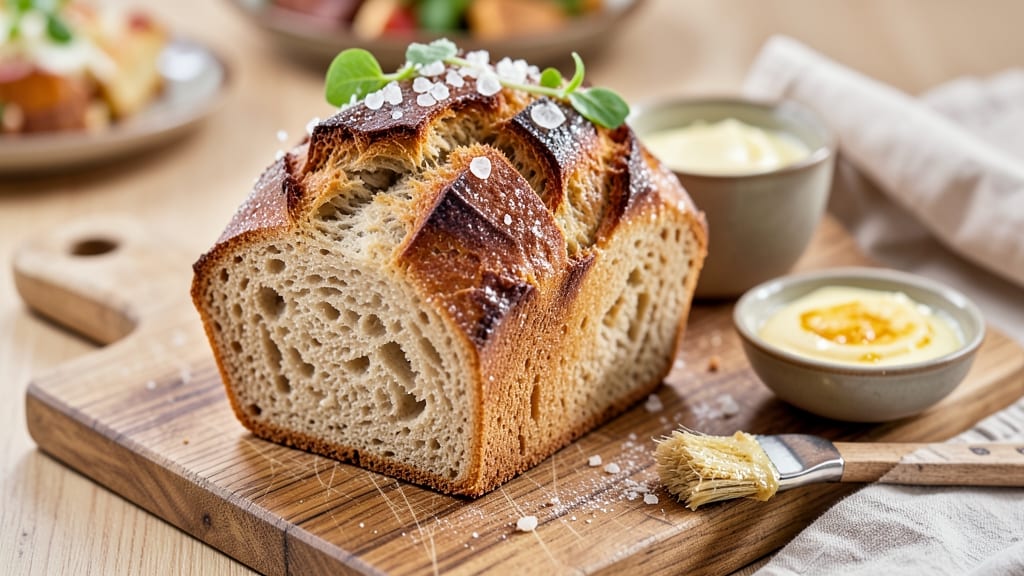
Alton Brown's French bread recipe transforms simple ingredients into golden, shatteringly crisp layers that defy ordinary loaves. 🌟 The secret lies in his signature lamination technique—folding butter into the dough like a delicate pastry, creating those iconic air pockets that make every bite irresistible.
I've baked this recipe countless times, and the results always impress, even when I'm not expecting perfection.
What sets this method apart is the precision in timing and technique: the dough must rest just right, the butter layers must stay intact during shaping, and the oven must reach the perfect temperature to create that signature crackling crust.
The process requires patience, but the reward—a loaf that practically sings when sliced—is worth every minute of effort.
Once baked, you'll have a loaf with a crisp exterior that shatters at the touch and a tender, airy interior that melts in your mouth.
The aroma alone will fill your kitchen with warmth, and the flavor—pure, buttery, and slightly sweet—is the kind of bread that makes you slow down and savor each bite. This isn't just bread; it's an experience.
Whether you're serving it fresh with butter or saving slices for toast the next morning, this recipe delivers restaurant-quality results at home. The key is following Alton's method closely—no shortcuts, just technique. Let's get started on creating your own masterpiece.
Ingredients for alton brown french bread
Nine simple ingredients create Alton Brown's signature buttery, shattering French bread layers.
| Ingredient | Amount | Notes |
|---|---|---|
| Unsalted Butter 🧈 | 1 cup | Cold and cubed, not softened |
| All-Purpose Flour 🌾 | 4 cups | Bread flour preferred for chewier texture |
| Water 💧 | 1 ½ cups | Room temperature for best results |
| Active Dry Yeast 🍞 | ¼ oz | 1 packet or 2 1/4 tsp |
| Granulated Sugar 🍚 | 1 tbsp | For yeast activation |
| Salt 🧂 | 1 ½ tsp | Diamond Crystal preferred |
| Cornmeal 🌽 | ½ cup | For dusting work surface |
| Large Egg 🥚 | 1 whole | For egg wash |
| Milk 🥛 | 1 tbsp | For egg wash |
| Coarse Sea Salt 🧂 | 1 tsp | For topping |
The butter is non-negotiable—European-style unsalted butter like Plugrá or Kerrygold gives the best flavor and texture. Most grocery stores carry it, but if you can't find it, Land O'Lakes unsalted works in a pinch. Keep it cold when cubing—soft butter won't create proper layers. For flour, King Arthur bread flour is ideal if you want that perfect chewy texture, but all-purpose works fine for a first attempt. The yeast should be fresh—if it's past its expiration, test it first in warm water to ensure it's active.
No bread flour? Add 1 tbsp vital wheat gluten per cup of all-purpose flour to mimic its protein content. Running short on butter? Olive oil works at half the amount, though the flavor will differ. The egg wash can be swapped for milk or water alone if needed, but the milk adds richness. For the cornmeal, semolina works beautifully too—it gives that signature golden crust. If your kitchen is too warm, chill the dough between folds to prevent the butter from melting prematurely. And for the love of all things baked, measure your ingredients accurately—this recipe demands precision.
The dough can be made up to 24 hours ahead and refrigerated, but bring it to room temperature before shaping. Once baked, store at room temperature in a bread bag or wrapped in a clean kitchen towel for up to 3 days. For longer storage, slice and freeze—toast straight from frozen for crispy results. The butter layers keep best when the bread is fresh, so enjoy it within the first 2 days for that signature shatter. Leftovers? French toast is a must—this bread soaks up syrup like a dream.
Why You'll Love This Recipe
- No-Knead Magic: I swear by this—just mix, rest, and bake. The yeast does all the work while I sip coffee. That butter-in-the-dough trick? Chef’s kiss for effortless flakiness.
- Buttery Crust Alert: That crispy, golden exterior with a pillowy interior? It’s all thanks to the cold butter cubes melting into the dough. One bite and you’ll forget store-bought ever existed.
- Weeknight & Weekend Hero: Toss it in a basket for Sunday brunch or tear it over soup when you’re exhausted. Freezes like a dream, too—just thaw and toast when you need it.
- Budget Baking Win: Five ingredients, zero fancy tools. The yeast and sugar cost pennies, and that stick of butter stretches across the whole loaf. Frugal? Yes. Delicious? Absolutely.
Step-by-step instructions for Alton Brown's French bread
Here's how to create that signature buttery, shatteringly crisp French bread with a golden crust.
👨🍳 Step 1: Activate the Yeast and Mix the Dough
In a small bowl, combine the 1.5 cups room-temperature water, 1 tbsp granulated sugar, and 0.25 oz active dry yeast. Let it sit for 5-10 minutes until foamy—this confirms your yeast is active. If it doesn't foam, your yeast is dead and you'll need to start over.
In a stand mixer fitted with the dough hook, combine the 4 cups all-purpose flour and 1.5 tsp salt. Add the yeast mixture and mix on low speed until combined. With the mixer running on medium speed, gradually add the 1 cup cold cubed butter—it's crucial to keep the butter cold to prevent overdevelopment of gluten. Mix for 5-7 minutes until the dough comes together and begins to pull away from the sides of the bowl. The dough should be slightly tacky but not sticky.
🥘 Step 2: Knead and Shape the Dough
Turn the dough out onto a lightly cornmeal-dusted surface and knead gently by hand for 2-3 minutes until smooth. Avoid over-kneading—this bread relies on gentle handling to create those signature layers. Shape the dough into a rectangle about 12x8 inches, then fold it like a letter by bringing the long sides toward the center. Seal the edges and turn the dough a quarter turn. Repeat this folding process 2 more times, allowing the dough to rest for 30 seconds between folds.
After the final fold, shape the dough into a log and place it seam-side down in a lightly greased bowl. Cover with a damp towel and let it rise at room temperature for 1-2 hours or until doubled in size. The dough should be light and airy, with a slight spring when pressed gently with one finger.
🔥 Step 3: Layer and Chill the Dough
On a lightly cornmeal-dusted surface, roll the risen dough into a 12x8-inch rectangle about ¼-inch thick. Spread the 1 whole large egg mixed with 1 tbsp milk evenly over the surface, leaving a ½-inch border around the edges. Sprinkle the 1 tsp coarse sea salt evenly over the egg wash.
Starting from one of the long sides, tightly roll the dough into a log, sealing the edges firmly. Place the log seam-side down on a parchment-lined baking sheet. Cover loosely with plastic wrap and refrigerate for 12-24 hours. This long chilling period is essential—it allows the butter to solidify and create those signature layers when baked.
🔥 Step 4: Bake to Golden Perfection
Preheat your oven to 375°F. Remove the chilled dough from the refrigerator and let it sit at room temperature for 30 minutes to relax slightly. Brush the top of the dough with additional egg wash if desired. Bake for 30-35 minutes until the bread is deep golden brown and sounds hollow when tapped on the bottom.
For that signature shatter effect, let the bread cool on a wire rack for at least 15 minutes before slicing. The layers should separate cleanly with minimal effort, revealing those beautiful buttery pockets inside. Serve warm with your favorite butter or jam for the ultimate French bread experience.
Pro Tips For Making Alton Brown French Bread
- Use Warm Water: The yeast in this recipe needs warmth to activate—around 110°F (43°C). I learned this the hard way after tossing cold water in the dough and ending up with a sad, flat loaf. Measure your water temperature with a thermometer if you’re unsure, or just let tap water sit for 10 minutes after running hot water over the pitcher.
- Knead Less, Stretch More: Alton’s method skips the traditional kneading for a stretch-and-fold technique, and it’s non-negotiable for that signature open crumb. Resist the urge to overwork the dough—just 4 sets of 30-second stretches (with 30-second rests in between) is enough. Over-kneading develops gluten too much, and your bread will turn out dense instead of airy.
- Don’t Rush the Rise: The dough needs time—at least 1.5 to 2 hours for the first rise, even if it doesn’t double. I used to eyeball it and ended up with loaves that collapsed in the oven. Set a timer, and if your kitchen is cold, cover the bowl with a damp towel to keep the yeast happy. Patience here makes all the difference.
- Score with Confidence: Use a razor blade or sharp knife to slash the dough just before baking—not too deep, but deep enough to split the skin. If you’re nervous, practice on a scrap of dough first. A clean cut lets the bread expand properly, giving you that iconic crust. Hesitate, and you’ll end up with a lopsided tear.
Essential equipment for this recipe
Stand Mixer Essentials
Your stand mixer is the workhorse of this recipe—I use my KitchenAid Artisan Series with the dough hook attachment for perfect texture. The mixer's consistent speed prevents over-kneading while ensuring even butter incorporation.
If you don't have a mixer, a wooden dough whisk works for hand-mixing, but expect to work harder for those 5-7 minutes of development. 🔥
Precision Tools
A digital kitchen scale is my secret weapon for accurate measurements—especially with the 1 cup butter and 4 cups flour. I use the OXO Good Grips scale for its readability.
For shaping, a 12x8-inch silicone baking mat prevents sticking better than parchment, and a sharp offset spatula helps seal those butter layers during folding.
Butter Handling Gear
Cold butter is non-negotiable for those signature layers, so invest in a microplane or box grater to cube 1 cup unsalted butter quickly. I keep my butter chilled in the freezer for 10 minutes before cubing.
A pastry brush with a long handle (like West Bend) makes egg wash application easier without disturbing the dough.
Proofing & Chilling
For proofing, I use a proofing basket lined with a damp kitchen towel to create the perfect environment. The 12-24 hour chill requires a reliable refrigerator—I recommend LG French Door models for consistent temperature. A laser thermometer (like Thermoworks) ensures your oven hits 375°F accurately before baking.
Scoring & Baking
A razor blade or lame (like La Cloche) gives those clean, professional cuts for scoring. For baking, I use a half-sheet pan on the middle rack to ensure even heat circulation. A wire cooling rack prevents soggy bottoms while the bread cools—never skip this step for that signature shatter.
Storage Solutions
Store your bread in a canvas bread bag (like Amazon Basics) to maintain freshness for 3 days. For freezing, I slice the bread and wrap individual pieces in parchment paper before storing in a ziplock freezer bag.
A toaster oven revives frozen slices perfectly for breakfast toast. ✨
Nutrition facts
Frequently asked questions
Why does Alton Brown's French bread need such a long chill time?
The 12-24 hour refrigeration is crucial for developing those signature buttery layers. The cold temperature allows the butter to solidify between dough folds, creating distinct pockets that shatter when baked. Skipping this step results in a dense loaf without the signature texture. Think of it like resting meat—patience pays off with perfect results.
Can I make this bread without a stand mixer?
While a mixer makes mixing easier, you can achieve the same texture by hand. Use a wooden dough whisk or your hands to gradually incorporate the cold cubed butter over 5-7 minutes. Work the dough gently to avoid overdeveloping the gluten, which would make the layers less distinct. Just be prepared for more elbow grease.
What's the best way to score the bread before baking?
Use a sharp razor blade or lame (like La Cloche) for clean cuts. Make ½-inch deep slashes at ½-inch intervals along the top of the loaf before baking. This helps steam escape, creating that crisp crust while preventing the bread from bursting open too soon. Angle the blade slightly for professional-looking cuts.
Why did my bread turn out dense instead of flaky?
Dense bread usually means one of three things: over-kneading (which develops too much gluten), warm butter (that melted during mixing), or skipping the chill time. For future attempts, keep your butter ice-cold, handle the dough gently, and never skip the 12+ hour refrigeration. The layers need time to form properly.
Can I make this bread in a Dutch oven for extra crustiness?
While this recipe isn't designed for a Dutch oven, you can try it! Shape the dough into a round and bake in a preheated 450°F oven for 20 minutes with the lid on, then remove the lid and bake 10-15 more minutes until golden. The Dutch oven will give you an even crispier crust, though the classic shatter effect may be slightly different. Experiment and see what you prefer!