
Main Courses
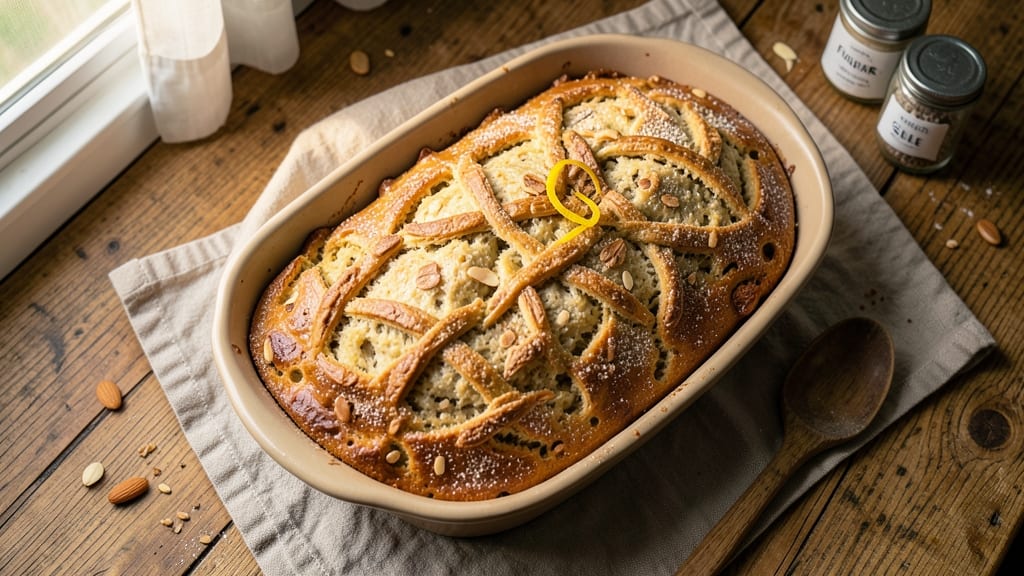
This almond bread recipe with yeast delivers a perfect balance of nutty swirls and a crusty crown—no fancy equipment required. The secret lies in properly activating the yeast and integrating almond flour for that signature texture.
I’ve baked this loaf countless times, and it never fails to impress with its tender crumb and aromatic flavor.
The process starts with a simple yeast activation, followed by a straightforward dough that incorporates almond flour for richness. Kneading develops the gluten just enough to support the almond swirls, while proofing ensures a light, airy texture.
The result? A golden-brown crust with pockets of almond goodness throughout—ideal for breakfast or as a side.
What sets this recipe apart is the one-rise method, cutting down on prep time without sacrificing flavor. The almond flour adds depth, while the yeast creates a satisfying rise. Whether you’re a beginner or an experienced baker, this method guarantees a foolproof loaf every time.
Pair it with butter, jam, or enjoy it plain—this bread is versatile enough for any occasion. Let’s get started on creating your perfect loaf.
Ingredients for almond bread recipe with yeast
Fourteen ingredients transform into a loaf with nutty swirls and a perfect crusty crown.
| Ingredient | Amount | Notes |
|---|---|---|
| Active Dry Yeast 🍞 | 2 ¼ tsp | Ensure yeast is fresh and active |
| Warm Water 💧 | ½ cup | 110°F for optimal yeast activation |
| Granulated Sugar 🍬 | 1 tbsp | For yeast activation and flavor |
| Unsalted Butter 🧈 | ½ cup | Cold, cubed for dough enrichment |
| All-Purpose Flour 🌾 | 3 cups | For structure and gluten development |
| Almond Flour 🥜 | 1 ½ cups | Superfine, for nutty richness |
| Nonfat Dry Milk Powder 🥛 | ¼ cup | For tender crumb and browning |
| Salt 🧂 | 1 ½ tsp | Diamond Crystal kosher preferred |
| Large Eggs 🥚 | 1 whole | Room temperature for even mixing |
| Almond Paste 🥜 | ½ cup | Smooth, for swirl texture |
| Honey 🍯 | 2 tbsp | For moisture and sweetness |
| Vanilla Extract 🌿 | 1 tsp | Pure, for aromatic depth |
| Egg Wash 🥚 | 1 whole | For golden crust finish |
| Coarse Sugar 🍬 | 2 tbsp | For decorative crust topping |
The yeast is the foundation—King Arthur brand or Saf-Instant ensures reliable activation. Almond flour should be superfine for seamless integration into the dough; Bob’s Red Mill is my go-to for consistent texture. The nonfat dry milk powder adds richness without heaviness, while the Diamond Crystal kosher salt enhances flavor without overpowering. For the almond paste, Whole Foods or Trader Joe’s carry high-quality, smooth varieties that blend effortlessly into the dough. Always measure flour by weight for precision, though volume works in a pinch.
No almond flour? Blanch and grind almonds at home for a fresh alternative, though texture will differ slightly. Substitute 1 cup ground walnuts for almond flour, but expect a denser crumb. The butter can be swapped for vegetable shortening if working in warmer kitchens, though flavor will suffer. For the egg wash, aquafaba (chickpea brine) works as a vegan alternative, though it lacks the same sheen. The coarse sugar topping can be omitted for a simpler presentation, but it adds a delightful crunch to the crust. Always proof the yeast in warm water (110°F)—too hot and it kills the yeast; too cool and it won’t activate.
Store the dough in the fridge for up to 24 hours before baking for enhanced flavor development. Once baked, the loaf keeps well at room temperature for 3 days, wrapped in a clean kitchen towel. For longer storage, slice and freeze portions for up to 3 months—reheat in a 350°F oven for 5-7 minutes to restore freshness. The crusty crown stays crisp for 2 days if kept in an airtight container, though it’s best enjoyed fresh from the oven with a pat of softened butter or a smear of almond butter for extra indulgence.
Why You'll Love This Recipe
- No-Fuss Dough: I swear by this recipe because the yeast activates in warm water—no fancy proofing tricks. Just mix, let it sit for 10 minutes, and you’re ready to shape. That butter-rich dough practically kneads itself, and honestly? I’ve made it while scrolling through my phone.
- Buttery Almond Magic: The moment you slice into that golden crust, you’ll taste why this bread is special. The butter keeps it tender, while toasted almonds add a nutty crunch that’s ridiculously satisfying. (Yes, even on a Tuesday night.)
- Breakfast to Brunch: This bread is my go-to for toast, French toast, or even garlic butter slathered on top. It freezes beautifully too—just pull out a slice when you need a quick, foolproof base for anything from a simple snack to a fancy brunch spread.
- Budget-Friendly Staple: Five ingredients, minimal waste. The yeast and flour stretch far, and that butter goes a long way in keeping it rich without breaking the bank. I make a double batch on Sundays, and it lasts me all week—no sad, stale bread here.
Step-by-step instructions for almond bread with yeast
Master this dough technique for tender crumb, nutty swirls, and a caramelized crown.
Activate the Yeast for Maximum Rise
In a small bowl, combine the 2.25 tsp active dry yeast with the 0.5 cup warm water (tested at 110°F) and 1 tbsp granulated sugar. Let it sit for 5-7 minutes until it becomes frothy and bubbly—this confirms the yeast is alive and ready to work. If it doesn't activate, your bread will be dense and flat.
I like to use a thermometer for precision here. Water that's too hot kills the yeast, while water that's too cool slows the fermentation. The 110°F mark is the sweet spot for quick activation without overheating. Once you see those bubbles, your dough will have the lift it needs for that perfect rise.
Mix the Dough Base and Incorporate Wet Ingredients
In a large mixing bowl, combine the 3 cups all-purpose flour, 1.5 cups almond flour, 0.25 cup nonfat dry milk powder, and 1.5 tsp salt. Whisk these dry ingredients together to eliminate any lumps and create a uniform base for the dough.
Next, add the 0.5 cup cold unsalted butter (cut into cubes) to the dry mixture. Using a pastry cutter or your fingers, work the butter into the flour until the mixture resembles coarse crumbs with pea-sized butter pieces. This texture ensures even distribution of fat, which keeps the final bread tender rather than tough.
Combine Wet Ingredients and Knead the Dough
Pour the yeast mixture into the bowl with the dry ingredients. Add the 1 whole large egg, 2 tbsp honey, and 1 tsp vanilla extract. Mix with a wooden spoon until a shaggy dough forms. The honey adds moisture and sweetness, while the vanilla extract enhances the nutty flavor profile of the almond flour.
Turn the dough out onto a lightly floured surface and knead for 8-10 minutes until smooth and elastic. You're looking for a dough that springs back slowly when poked—a sign of proper gluten development. If the dough feels too sticky, add 1-2 tablespoons of additional all-purpose flour. Kneading by hand ensures you don't overwork the dough, which can make the bread dense.
Create the Almond Swirl and First Rise
Shape the dough into a 12x8-inch rectangle on a parchment-lined baking sheet. Roll out the 0.5 cup almond paste into a ¼-inch thick log and place it diagonally across the dough. Fold the sides of the dough over the almond paste to create a sealed swirl, then roll the entire rectangle into a log shape.
Twist the log gently to create a spiral effect, then pinch the seam to seal. Coil the log into the baking sheet, leaving space for it to expand. Cover loosely with a clean kitchen towel and let it rise in a warm place for 1-1.5 hours until it has nearly doubled in size. The dough should feel light and airy when pressed gently—this is your cue that fermentation has done its job.
Shape, Prove, and Bake to Golden Perfection
Preheat your oven to 350°F. Shape the risen dough into a 9x5-inch loaf pan by pinching the ends together and tucking them under. Brush the top with the 1 whole egg wash and sprinkle evenly with 2 tbsp coarse sugar for that signature caramelized crust. Let the dough rise again for 30-45 minutes until it domes slightly above the pan.
Bake for 45-50 minutes until the top is deep golden brown and an instant-read thermometer inserted into the center reads 190°F. The bread should pull away from the sides of the pan with a slight resistance, and it will smell like warm almonds and caramel. For best results, let it cool in the pan for 10 minutes before transferring to a wire rack to cool completely. This resting period allows the moisture to redistribute, ensuring a tender crumb.
Pro Tips For Making Almond Bread Recipe With Yeast
- Test Yeast First: Sprinkle that active dry yeast into ¼ cup warm water with a pinch of sugar—if it bubbles within 5 minutes, you’re good to go. I learned this the hard way after baking a dense brick of bread because my yeast was past its prime (yes, even the "freshest" packet can be dead).
- Cut Cold Butter: Chill the unsalted butter before mixing it into the dough—cold cubes distribute better and prevent a gummy loaf. I used to melt it like a lazy chef, and the texture suffered (and my patience wore thin).
- Skip Overmixing: Stir the dough just until the flour is incorporated—overworking it develops gluten, and your almond bread will turn out tough instead of tender. Two minutes max after the yeast activates, then let it rest.
- Proof in a Warm Spot: Place the dough in a bowl near the oven (with the light on) or a sunny windowsill—consistent warmth (around 80°F) makes the yeast work faster and more reliably. My first loaf took three hours because I left it on the counter in a drafty kitchen.
Flavor customization for this recipe
Sweet vs. Savory
Want a sweeter loaf? Add 1 extra tablespoon of honey or swap the coarse sugar for 2 tbsp maple syrup in the egg wash. For a savory twist, replace the honey with 1 tbsp olive oil and add 1 tsp dried rosemary to the dough—this works beautifully with herbed butter.
I’ve found that orange zest (½ tsp) in the dough adds a bright citrus note that pairs perfectly with the almonds. 🍯
Spiced Variations
For warmth, fold in ½ tsp cinnamon and ¼ tsp nutmeg with the dry ingredients. A pinch of cardamom (⅛ tsp) gives a Middle Eastern flair, while 1 tsp espresso powder deepens the nutty flavor for a mocha-inspired loaf.
I once added ½ tsp smoked paprika for a subtle smoky depth—it was a hit with my brunch crowd! 🌶️
Nutty Upgrades
Boost the almond flavor by adding ¼ cup toasted almond slices to the dough or pressing them into the crust before baking. For texture contrast, mix in 2 tbsp chopped pistachios or walnuts.
I love using marcona almonds (if you can find them) for their buttery richness—they elevate the bread to gourmet status. 🥜
Gluten-Free Adaptation
Replace the all-purpose flour with 2 cups gluten-free 1:1 baking flour (like Bob’s Red Mill) and add ½ cup tapioca starch for structure. Use 1 extra egg to bind the dough, as gluten-free flours lack elasticity.
The almond flour stays the same—it’s naturally gluten-free! This version works best with a longer rise (up to 2 hours) in a warm oven with the light on. ✨
Dairy-Free Twist
Swap the butter for ½ cup coconut oil (solid) and replace the nonfat dry milk with ½ cup almond milk powder. Use aquafaba (3 tbsp) instead of egg wash for the crust.
The texture stays tender, though slightly denser. I’ve also had success with vegan butter (like Miyoko’s) for a richer flavor. 🌱
Extra Moisture Boost
Add ¼ cup Greek yogurt or sour cream to the dough for a softer crumb. For extra richness, replace 2 tbsp water with 2 tbsp melted white chocolate.
A splash of almond extract (¼ tsp) intensifies the nutty aroma without overpowering. These tweaks work especially well in drier climates where bread can dry out quickly. 💧
Nutrition facts
Frequently asked questions
Why does my almond bread turn out dense instead of light?
The most common causes are over-kneading or under-proofing. Knead only until the dough is smooth (8-10 minutes), and give it enough time to rise—at least 1-1.5 hours until doubled in size. Also check your yeast: if it's old or stored improperly, it won't activate properly. Always test with warm water first!
Can I make this bread without almond paste?
For a simpler version, replace the almond paste with ½ cup finely chopped almonds mixed into the dough. For a swirl effect, create a filling with ¼ cup almond butter plus 1 tbsp honey—it'll be less smooth but still delicious. The texture will be slightly denser without the paste's binding properties.
How do I store almond bread to keep it fresh?
Wrap the cooled loaf tightly in plastic wrap or aluminum foil, then place it in an airtight container. It'll stay fresh for 3-4 days at room temperature. For longer storage, slice and freeze portions for up to 3 months. To revive, warm slices in a 350°F oven for 5-7 minutes with a damp paper towel.
What's the best way to reheat sliced almond bread?
For crispy crust: Wrap slices in foil and warm in a 350°F oven for 3-5 minutes. For soft texture: Use the microwave for 10-15 seconds with a damp paper towel covering. The oven method preserves the crust better, while microwave works for quick toasty slices. Never reheat directly from frozen—thaw first!
Can I substitute almond flour for other nut flours?
Yes! Try walnut or hazelnut flour in equal amounts, but expect different flavors. Walnut gives earthy depth while hazelnut adds a sweeter note. For texture, almond flour is the most tender—other nut flours may make the bread slightly denser. Always measure by weight for consistency, as volume varies between nut flours.