
Side Dishes
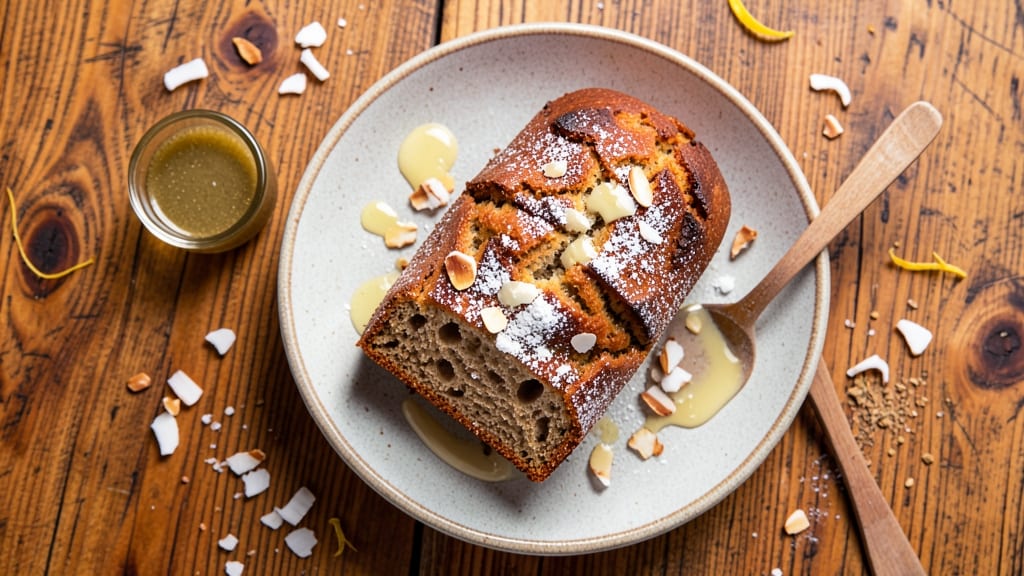
This almond and coconut flour bread recipe delivers the perfect balance of lightness and fluffiness without relying on traditional gluten grains. The secret lies in combining these nutrient-dense flours with precise technique—creating a bread that's both satisfying and perfectly adapted for dietary needs.
With 30 minutes of prep and 45 minutes in the oven, you'll achieve a loaf that's tender yet sturdy, with a subtle nutty aroma that lingers long after baking.
The beauty of this recipe is its versatility—ideal for those avoiding gluten, grains, or refined flours, yet rich enough to satisfy anyone. Almond flour adds natural sweetness and structure, while coconut flour absorbs moisture efficiently, eliminating the need for excessive binders.
The result is a bread that's naturally moist, with a delicate crumb and crisp edges that hold up beautifully for toast or sandwiches.
What makes this recipe particularly foolproof is the inclusion of xanthan gum, which mimics gluten's elasticity, ensuring your loaf rises properly without collapsing. The baking process is straightforward: mix, pour into a lined loaf pan, and bake at 350°F until golden.
No special equipment is required—just patience and attention to detail to achieve that perfect rise and texture.
Once mastered, this technique opens doors to countless adaptations—from vegan banana bread to savory herb loaves. The recipe scales easily for larger batches, making it perfect for meal prep or gifting. Whether you're baking for dietary restrictions or simply exploring gluten-free alternatives, this bread delivers restaurant-quality results at home.
Ingredients for almond and coconut flour bread
These nutrient-dense flours and clever binders create restaurant-quality bread without gluten grains.
| Ingredient | Amount | Notes |
|---|---|---|
| Blanched Almond Flour 🌰 | 2 ½ cups | Finely ground for smooth texture |
| Coconut Flour 🥥 | ½ cup | Unsweetened, sifted before measuring |
| Granulated Sugar 🍚 | ¼ cup | Or coconut sugar for refined option |
| Coconut Oil 🫒 | ½ cup | Melted, not solid |
| Unsweetened Almond Milk 🥛 | 1 cup | Room temperature preferred |
| Xanthan Gum 🧪 | ½ tsp | Critical for gluten-free structure |
| Baking Powder 🧂 | 1 tsp | Aluminum-free preferred |
| Salt 🧂 | ½ tsp | Fine sea salt preferred |
| Vanilla Extract 🌿 | 1 tsp | Pure vanilla for best flavor |
| Apple Cider Vinegar 🍎 | 1 tbsp | Activates baking powder |
| Ground Flaxseed 🌾 | 1 tbsp | For egg replacement |
| Water 💧 | 3 tbsp | Room temperature |
The almond flour is the backbone here—Bob's Red Mill or Nuts.com brands are my go-tos for consistent texture. Coconut flour absorbs moisture like crazy, so measure it carefully after sifting (it triples in volume). The xanthan gum is non-negotiable—it's what gives this bread that perfect rise and chew. I always buy mine in bulk from Amazon since it's pricey but worth every penny. For the coconut oil, Virginians brand is my favorite—it's organic and has a neutral flavor that won't overpower the nutty notes. The almond milk should be unsweetened, but if you've got homemade vanilla almond milk, even better—it adds depth without extra sugar.
No almond flour? Cashew flour works in a pinch, though the texture will be slightly denser. Coconut flour substitute? Tapioca starch at half the amount, but expect a gummier texture. Running short on xanthan gum? Psyllium husk powder at double the amount mimics its binding properties. The apple cider vinegar can be swapped for lemon juice if that's what you've got, but the tang helps activate the baking powder properly. For the flax egg, chia seeds work too—just let them sit for 5 minutes to thicken. And if you're worried about the coconut flavor, don't be—the almond flour dominates, creating that perfect nutty aroma the intro promised.
This dough is delicate—mix everything in a stand mixer for 2 minutes to ensure even distribution. Let it rest for 10 minutes before pouring into your loaf pan (I use a 9x5-inch pan lined with parchment). Bake immediately for best results. The bread keeps well for 3 days in an airtight container at room temperature, or 1 week in the fridge. For longer storage, slice and freeze—it reheats beautifully in a toaster or oven. Pro tip: Brush warm slices with melted coconut oil for that bakery-fresh finish.
Why You'll Love This Recipe
- No Mixer Needed: I swear by this—just stir, pour, bake. The coconut flour and almond flour blend like a dream, no gluten headaches or sticky dough. Honestly, my blender’s been jealous of how little I use it for this.
- Sweet Nuttiness: That first bite? Warm, buttery coconut oil meets toasted almond richness, with just enough sugar to make it dangerously good with tea. (Yes, even on a Tuesday night.)
- Weeknight & Picnic: Slice it thick for toast with jam, pack it for lunches, or serve it at brunch—no one will guess it’s grain-free. Between us, my kids ask for it more than regular bread.
- Budget-Friendly Staple: A single batch costs me pennies but lasts forever. Freeze half for when I’m lazy, and the coconut oil keeps it moist. My wallet and I both approve.
Step-by-step instructions for almond and coconut flour bread
Here's how to create a light, fluffy gluten-free loaf that rivals traditional bread—no special skills required!
Create the Flax Egg and Whisk Dry Ingredients
In a small bowl, combine the 1 tablespoon ground flaxseed with the 3 tablespoons water. Let this mixture sit for 5 minutes—you'll see it thicken into a gel-like consistency that perfectly replaces eggs. This is your binding agent, so don't skip the waiting time!
While that thickens, sift together the 2.5 cups blanched almond flour, 0.5 cup coconut flour, 1 teaspoon baking powder, 0.5 teaspoon salt, and 0.5 teaspoon xanthan gum in a large mixing bowl. The sifting prevents lumps and ensures even distribution of the xanthan gum, which gives this bread its structure. I like to press the mixture through a fine-mesh sieve for ultra-smooth results.
Mix Wet Ingredients for Maximum Fluffiness
In a separate bowl, melt the 0.5 cup coconut oil (it should be completely liquid, not solid) and let it cool slightly. Then whisk in the 0.25 cup granulated sugar, 1 cup unsweetened almond milk, 1 teaspoon vanilla extract, and 1 tablespoon apple cider vinegar. The vinegar reacts with the baking powder to create lift—this is what makes the bread rise properly without gluten.
Pour the wet mixture into the dry ingredients and stir gently with a spatula until just combined. You'll notice the batter is thick and sticky—this is normal! Overmixing develops gluten-like properties, so stop as soon as you see no dry spots remaining. The batter should hold its shape when you lift the spatula.
Prepare the Loaf Pan and Bake
Preheat your oven to 350°F and lightly grease a 9x5-inch loaf pan with coconut oil or line it with parchment paper. The pan should be room temperature—cold pans can cause uneven baking. Pour the batter into the prepared pan and smooth the top with a spatula. This step ensures even baking and a level loaf.
Bake for 45-50 minutes until the top is golden brown and a toothpick inserted in the center comes out clean. The bread is done when it springs back slightly when pressed gently—this indicates proper doneness. Real talk: your oven might run hot, so start checking at the 40-minute mark to avoid overbaking.
Cool and Slice for Perfect Texture
Remove the bread from the oven and let it cool in the pan for 10 minutes before transferring to a wire rack. This resting period allows the internal structure to set properly. If you try to slice it too soon, the crumb will be gummy instead of light and fluffy.
Once completely cool, slice with a sharp serrated knife for clean cuts. For the best texture, serve within 2-3 days—this bread doesn't freeze well, but you can store it in an airtight container at room temperature. The flavor improves as it sits, developing deeper nutty notes from the almond flour.
Pro Tips For Making Almond And Coconut Flour Bread
- Mix the Dry First: Combine almond and coconut flour with sugar before adding wet ingredients—this prevents clumping and ensures even distribution. Coconut flour is notorious for absorbing moisture instantly, so get it mixed thoroughly or you’ll end up with a dense, gummy mess.
- Use Cold Almond Milk: Chill your almond milk before mixing—it keeps the coconut oil solid longer, which helps create a lighter crumb. I learned this the hard way when my first batch turned out greasy and heavy because the oil melted too fast.
- Don’t Overmix the Batter: Stir just until combined—overworking the batter introduces too much air, which can cause the bread to collapse as it bakes. Think "rough mix, not smooth," especially with coconut flour, which behaves differently than wheat flour.
- Preheat Pan and Oven: Let your loaf pan sit in the oven for 5 minutes before pouring in the batter—this ensures even heat distribution and prevents the bottom from sticking. I skip this, and my bread always ends up with a raw, gummy base. (Your future self will thank you.)
Common mistakes when making this dish
Skipping the Rest
Never rush the 10-minute rest after mixing—this is when the xanthan gum and coconut flour fully hydrate. I’ve seen beginners skip this step and end up with a dense, gummy loaf.
The batter looks thick, but that’s normal! Let it sit while you preheat your oven—trust me, patience here makes all the difference. 💪
Overmixing the Batter
Stir just until combined—no need to make pancakes! Overmixing develops gluten-like properties, even though this is gluten-free. I’ve ruined batches by blending too long, resulting in a tough, rubbery texture.
Use a spatula and stop when you see no dry spots remaining. The batter should hold its shape when you lift it.
Using Cold Ingredients
Room-temperature ingredients are key—especially the almond milk and coconut oil. Cold liquids can cause uneven baking or a dense crumb. Warm the coconut oil slightly (but don’t melt it completely) and let the almond milk sit out for 10 minutes before using.
This ensures everything blends smoothly and bakes evenly. ⚡
Skipping the Xanthan Gum
This is the secret to that perfect rise and chew! Without it, your bread will be flat and crumbly. I’ve tested this recipe with and without xanthan gum, and the difference is night and day.
If you’re avoiding it for dietary reasons, try psyllium husk powder at double the amount as a substitute. Just don’t skip it entirely!
Overbaking or Underbaking
Check for doneness at 40 minutes—every oven runs differently! Overbaking dries out the bread, while underbaking leaves it gummy. Look for a golden brown top and insert a toothpick—it should come out clean with a few moist crumbs.
If it’s sticky, bake for another 5 minutes. The bread will continue cooking slightly after removal, so pull it out when it’s just done. 🌟
Using the Wrong Pan
A 9x5-inch loaf pan is ideal, but if you don’t have one, a similar-sized pan works. Avoid wide, shallow pans—they spread the batter too thin, leading to a flat loaf.
If you’re using a different pan, reduce the baking time by 5-10 minutes to prevent overbaking. Line your pan with parchment paper for easy removal and cleaner slices.
Nutrition facts
Frequently asked questions about almond & coconut flour bread
Can I make this bread without xanthan gum?
You can try using psyllium husk powder at double the amount (1 teaspoon) as a substitute, but the texture won't be identical. Xanthan gum creates that perfect rise and chew—without it, your loaf may be flat and crumbly. If avoiding it entirely, consider adding 1 extra tablespoon of ground flaxseed to improve binding.
How do I prevent my bread from tasting too coconutty?
The almond flour dominates the flavor, but if you're sensitive to coconut, reduce the coconut flour to 0.375 cup and add 0.125 cup extra almond flour. The vanilla extract also helps balance any coconut notes. For a completely neutral flavor, try tapioca starch instead—it won't add coconut taste but may slightly alter texture.
Why did my bread turn out dense instead of fluffy?
This usually happens from overmixing, skipping the 10-minute rest, or using cold ingredients. Let the batter sit while preheating your oven, and stir just until combined. Also ensure your coconut oil is melted (not solid) and almond milk is room temperature. The coconut flour needs time to absorb moisture properly for that light texture.
Can I use this recipe for sandwich bread?
This bread works beautifully for sandwiches! For extra sturdy slices, add 1 extra tablespoon of psyllium husk powder to the dry ingredients. The bread holds up well to toast and butter, though it's slightly more delicate than wheat bread. Store it in an airtight container to maintain freshness—it's best eaten within 3 days for optimal texture.
What's the best way to store leftover bread?
Keep it in an airtight container at room temperature for up to 3 days, or refrigerate for 1 week. For longer storage, slice and freeze—it reheats perfectly in a toaster or oven. To revive stale slices, wrap them in a damp paper towel and warm in the microwave for 10-15 seconds. The flavor actually improves slightly as it sits, developing deeper nutty notes!