
Side Dishes
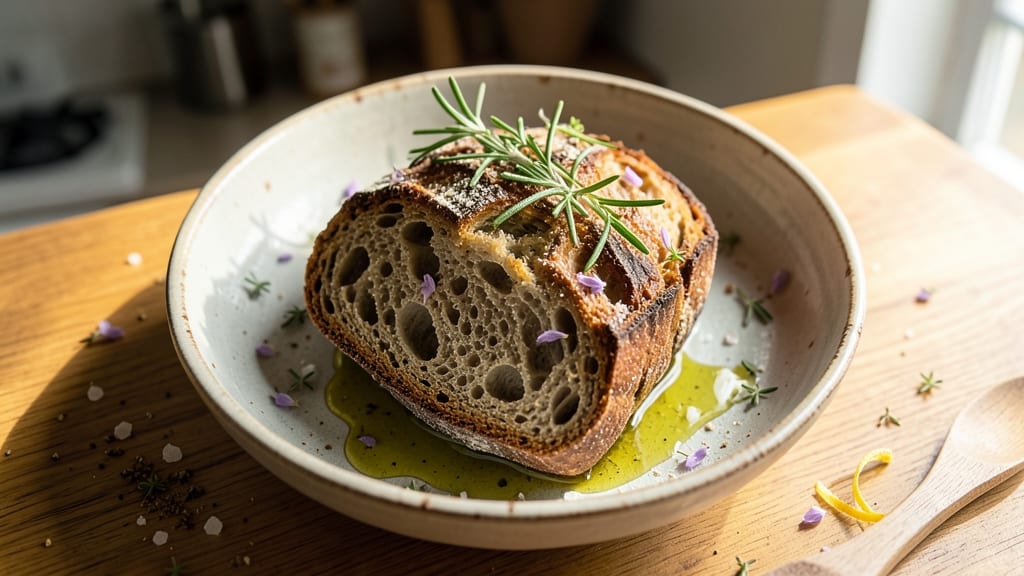
Alice Waters' bread recipe transforms simple ingredients into a loaf that captures the essence of California farm-to-table philosophy. This artisanal bread combines whole-grain flour with herbed olive oil, creating a rustic loaf with a crisp crust and tender crumb—perfect for any table.
The secret lies in slow fermentation and precise baking techniques that elevate everyday ingredients to extraordinary heights.
What sets this recipe apart is its focus on natural ingredients and seasonal flavors. Using whole-grain flour adds depth and nutrition, while fresh herbs infused in the olive oil bring vibrant, aromatic notes.
The bread develops its signature character during a 24-hour cold proof, allowing flavors to meld and the dough to rise gently. This method ensures a light, airy texture with a satisfying chew.
The baking process requires attention to detail, with steam injected into the oven to create that coveted crispy crust. Once baked, the loaf delivers a symphony of textures—crunchy exterior, soft interior, and subtle herbal undertones from the infused oil.
Perfect for serving with soups, alongside roasted vegetables, or simply enjoyed with butter, this bread embodies the simplicity and elegance of Waters' culinary vision.
For those new to artisanal bread-making, don't be intimidated—the recipe includes step-by-step guidance for mixing, kneading, and proofing. The result is a loaf that rivals any bakery offering, all made with just a few simple ingredients and a touch of patience. Let's get started on creating this sunlight-inspired loaf.
Ingredients for alice waters bread
Whole-grain flour, herbed olive oil, and slow fermentation create this iconic artisanal loaf.
| Ingredient | Amount | Notes |
|---|---|---|
| Organic Whole-Grain Flour 🌾 | 4 cups | Unbleached, high-protein preferred |
| Active Dry Yeast 🍞 | ¼ oz | Fresh yeast at half quantity |
| Extra-Virgin Olive Oil 🫒 | ½ cup | Cold-pressed, fruity variety |
| Fresh Rosemary 🌿 | 2 tbsp | Finely chopped, organic preferred |
| Fresh Thyme 🌿 | 1 tbsp | Leaves only, finely chopped |
| Granulated Sugar 🍚 | 1 tbsp | Organic preferred for purity |
| Diamond Crystal Kosher Salt 🧂 | 1 ½ tsp | Fine grain preferred |
| Warm Water 💧 | 1 ½ cups | 110°F for optimal yeast activation |
| Unsalted Butter 🧈 | 2 tbsp | Cold, cubed for dough enrichment |
| Cornmeal 🌽 | ¼ cup | For dusting baking surface |
| Ice Water ❄️ | ½ cup | For final dough adjustment |
The whole-grain flour is the foundation—seek out organic, unbleached varieties with high protein content for better gluten development. King Arthur or Bob's Red Mill brands are excellent choices, available at most specialty grocers or online. Freshness matters here: if your flour smells musty or tastes stale, replace it immediately. For the extra-virgin olive oil, prioritize California-grown varieties like Corto or Pomona's—their fruity notes complement the herbs beautifully. The rosemary and thyme should be vibrant green with no wilting; if using dried herbs, reduce to one-third the amount and toast them lightly in the oil before infusion.
No fresh herbs? Dried rosemary and thyme work in a pinch, but infuse them in the oil for at least 30 minutes before using. Substituting the whole-grain flour? A 50/50 blend with bread flour improves texture, though the nutritional depth will diminish. For the yeast, ensure it's active dry—if using fresh yeast, halve the quantity. The granulated sugar can be swapped for honey (reduce by 20%) or maple syrup, though sugar's precise fermentation control is ideal. Diamond Crystal kosher salt is preferred for its fine grain, but Morton works if that's what you have—just level it carefully.
Store the flour in an airtight container in a cool, dark place for up to 6 months, while the herbs should be wrapped in damp paper towels and refrigerated for 1 week. The yeast remains viable in the fridge for 3 months if sealed properly. Once baked, the loaf stays fresh at room temperature for 3 days, wrapped in a clean kitchen towel. For longer storage, slice and freeze portions—toast directly from frozen for crispy results. The infused olive oil keeps for 2 weeks in the fridge, perfect for drizzling on soups or salads post-baking.
Why You'll Love This Recipe
- No-Knead Magic: I swear, this dough comes together in five minutes—just toss the flour, yeast, and olive oil, then let time do the work. No standing at the counter, no overworked arms, just pure, effortless rising.
- Herb-Infused Bliss: That rosemary and thyme? They’re not just garnish—they bake right into the crust, giving every bite a bright, earthy punch. Drizzle warm olive oil from the same bottle, and you’ve got restaurant-quality flavor without the fuss.
- Weeknight Lifesaver: Between us, this bread saves my dinners. Toss it in the oven while you prep dinner, and by the time you’re plating, it’s golden and ready. Even better? It’s the perfect vessel for soups, sandwiches, or just tearing into with a hunk of cheese.
- Budget-Friendly Staple: Whole-grain flour and yeast stretch further than you’d think, and fresh herbs (even a few sprigs) make it feel special. Make a double batch—it freezes beautifully, so you’re always covered for lazy mornings or last-minute guests.
Step-by-step instructions for Alice Waters' sunlight-inspired loaf
Aromatic herbs and golden olive oil elevate this rustic whole-grain bread to artisanal perfection.
Activate the Yeast and Infuse the Olive Oil
In a small bowl, dissolve the 0.25 oz active dry yeast in 1.5 cups warm water (about 110°F) with 1 tbsp granulated sugar. Let it sit for 5-10 minutes until frothy—this confirms the yeast is alive and ready to work. Meanwhile, heat the 0.5 cup extra-virgin olive oil in a small saucepan over low heat until just warm to the touch.
Remove the oil from heat and stir in the 2 tbsp finely chopped fresh rosemary and 1 tbsp fresh thyme. Let the infusion steep for 10 minutes, allowing the herbs to release their essential oils into the oil. This aromatic base will become the soul of your bread, giving it a bright, herbal character that sets it apart. Strain out the herbs before using the infused oil in the dough.
Mix the Dough with Precision
In a large mixing bowl, combine the 4 cups organic whole-grain flour with 1.5 tsp diamond crystal kosher salt. Create a well in the center and pour in the yeast mixture, 0.5 cup infused olive oil, and 2 tbsp cold unsalted butter (cut into small cubes). Using a wooden spoon or dough whisk, gently stir until a shaggy dough forms.
Gradually add the 0.5 cup ice water while mixing—this helps control gluten development in the dense whole-grain flour. Once the dough comes together, turn it out onto a lightly floured surface and knead for 8-10 minutes until smooth and elastic. The dough should be slightly tacky but not sticky. If it feels too dry, add 1 tbsp ice water at a time until just combined. This kneading step builds structure without overworking the gluten, which is crucial for whole-grain breads that can become dense if handled too roughly.
First Rise for Flavor Development
Lightly oil a large bowl, place the dough inside, and cover with a damp kitchen towel. Let it rise in a warm place (around 75°F) for 1.5-2 hours, or until it has nearly doubled in size. The dough should feel spongy and spring back slowly when poked gently with a finger. This first rise allows the yeast to ferment and develop flavor, especially with the infused olive oil.
For best results, I recommend placing the bowl near a slightly open oven with the light on, or using a proofing box. Avoid direct sunlight, which can cause uneven rising. If the dough rises too quickly (in under an hour), it may need a cooler environment to prevent overproofing. Patience here ensures a well-structured loaf with an open crumb.
Shape and Final Proof
Turn the dough out onto a surface lightly dusted with 0.25 cup cornmeal and gently shape it into a 9x5-inch loaf pan (or a round boule if preferred). For a rustic look, you can also shape it into a batard by rounding the dough and tucking the seam underneath. Cover the shaped dough with the damp towel and let it rise for another 45-60 minutes until it has risen 1-2 inches above the pan.
This final proof is critical—it allows the dough to expand and develop its final structure. For a more open crumb, you can score the top with a sharp razor in a simple crosshatch pattern before baking. The cornmeal dusting prevents sticking and adds a subtle nutty flavor to the crust. If the dough springs back too quickly when poked, it needs more time; if it feels slack, it may need 5-10 minutes longer.
Bake to Golden Perfection
Preheat your oven to 375°F with a Dutch oven inside for 30 minutes to create a steamy environment. Remove the Dutch oven and place the shaped dough inside, covering it with the lid. Bake for 30 minutes with the lid on, then remove the lid and bake for another 15-20 minutes until the bread is deep golden brown and sounds hollow when tapped on the bottom.
The internal temperature should reach 190-200°F. For a crispier crust, you can brush the top with a little more of the infused olive oil after removing the lid. Let the bread cool in the pan for 10 minutes, then transfer to a wire rack. The crust should be firm and crackly, while the interior should be tender with a slightly open crumb. Slice when fully cooled—this allows the crumb to set properly and prevents a gummy texture. The aroma of fresh rosemary and thyme will fill your kitchen, a testament to the care you've put into this bread.
Pro Tips For Making Alice Waters Bread
- STEAM THE DOUGH: I used to skip this, but Alice Waters’ bread needs steam in the oven—especially with whole-grain flour. Toss a metal bowl with boiling water on the rack 5 minutes before baking, then slam the door shut. That burst of steam guarantees a crisp crust without drying out the crumb. (Yes, even if you’re impatient like me.)
- CHOP HERBS FINELY: Fresh rosemary and thyme are the stars here, but I learned the hard way—whole sprigs burn or float to the top. Pulse them in a food processor for 2-3 seconds (just until tiny), then fold into the dough. This distributes flavor evenly and keeps the bread from tasting like a bouquet.
- WEIGH THE FLOUR: Scooping whole-grain flour by volume is a disaster—it packs unevenly and throws off hydration. Use a kitchen scale for the exact 500g (or whatever your recipe calls for). Whole grains absorb moisture differently than white flour, so precision here means no gummy dough or dense crumb.
- LET THE YEAST BLOOM: Don’t just toss the yeast into dry flour—proof it first. Mix it with the olive oil and a splash of warm water (about 105°F/40°C), then let it sit for 5-10 minutes until frothy. This ensures it’s active and cuts down on proofing time later. (I skip this and end up waiting twice as long.)
Troubleshooting your alice waters bread
Dough Too Sticky
Whole-grain flour absorbs more moisture, making the dough extra sticky. If your dough feels impossible to handle, add 1 tablespoon of ice water at a time while kneading—this helps strengthen the gluten structure. I’ve found that using 10% less water than called for in the recipe often prevents this issue.
If the dough still feels too wet, sprinkle 1 tablespoon of flour onto your work surface and knead it in gradually. Remember, the dough should be tacky but not dripping. 💧
Underproofed Loaf
An underproofed loaf will be dense and lack that satisfying rise. To check for doneness, gently poke the dough with your finger—it should spring back slowly (about 1-2 seconds). If it springs back immediately, give it 30-60 more minutes in a warm place.
For a foolproof method, I place the dough in a proofing box (or a turned-off oven with the light on) to maintain a consistent 75°F environment. Avoid direct sunlight or drafts, which can cause uneven rising. 🌡️
Pale or Uneven Crust
A pale crust often results from insufficient steam or oven heat. To fix this, place a steaming tray (or a metal bowl filled with boiling water) on the oven rack below the bread. Alternatively, spray the inside of your Dutch oven with water before placing the dough inside.
If your oven runs hot, reduce the temperature to 350°F for the first 20 minutes of baking. For a deeper color, brush the crust with a little more infused olive oil after removing the lid. 🔥
Dense or Gummy Texture
Over-kneading or insufficient fermentation can lead to a dense loaf. If your bread turns out too tight and chewy, try reducing kneading time to 6-8 minutes and extending the proofing time to 2-3 hours for better gluten relaxation.
For a softer crumb, let the bread cool completely on a wire rack before slicing—this prevents a gummy texture. If using whole-grain flour, I recommend soaking it in 1 cup warm water for 30 minutes before mixing to improve hydration and texture. 🌾
Yeast Not Activating
If your yeast doesn’t bubble within 10 minutes in warm water, it’s likely dead. Test your yeast by mixing 0.25 oz yeast with 2 tbsp sugar and ¼ cup warm water—it should foam within 5 minutes. If inactive, replace it immediately.
For future bakes, store yeast in the fridge for up to 3 months or the freezer for up to 6 months to preserve freshness. Always use water between 105-110°F—too hot kills yeast, too cold slows activation. 🍞
Nutrition facts
Frequently asked questions about Alice Waters' bread
Why does this recipe use whole-grain flour instead of white flour?
Whole-grain flour adds depth of flavor, nutrition, and a satisfying chew that white flour can't match. The bran and germ in whole grains create a more complex texture and rich, nutty notes that pair beautifully with the herbed olive oil. It also aligns with Alice Waters' farm-to-table philosophy of using whole, unprocessed ingredients.
Can I make this bread without a Dutch oven?
Yes! If you don't have a Dutch oven, use a heavy oven-safe baking dish or even a metal bowl. Place a tray of boiling water on the lower rack to create steam during the first 20 minutes of baking. This helps develop that signature crispy crust. Just monitor closely to prevent over-browning.
How do I store leftover bread to keep it fresh?
Wrap the cooled loaf tightly in a clean kitchen towel or beeswax wrap, then store at room temperature for up to 3 days. For longer storage, slice and freeze portions—just thaw and toast directly from frozen for best results. The towel wrapping helps maintain moisture while allowing the crust to stay crisp.
What herbs can I substitute if I don't have rosemary and thyme?
For a similar herbal profile, try oregano and basil (use 1 tbsp each) or marjoram and tarragon. If you prefer citrus notes, substitute with 1 tbsp lemon zest and 1 tsp orange zest in the infused oil. The key is using fresh herbs that complement the olive oil's fruity character.
Can I make this bread without yeast?
This recipe relies on yeast for its light, airy texture, but you could adapt it as a sourdough version. Replace the yeast with 1 cup active sourdough starter and reduce the water by 2 tbsp. The fermentation process will be longer (up to 12-24 hours total), but you'll get a tangier, more complex flavor.