
Side Dishes
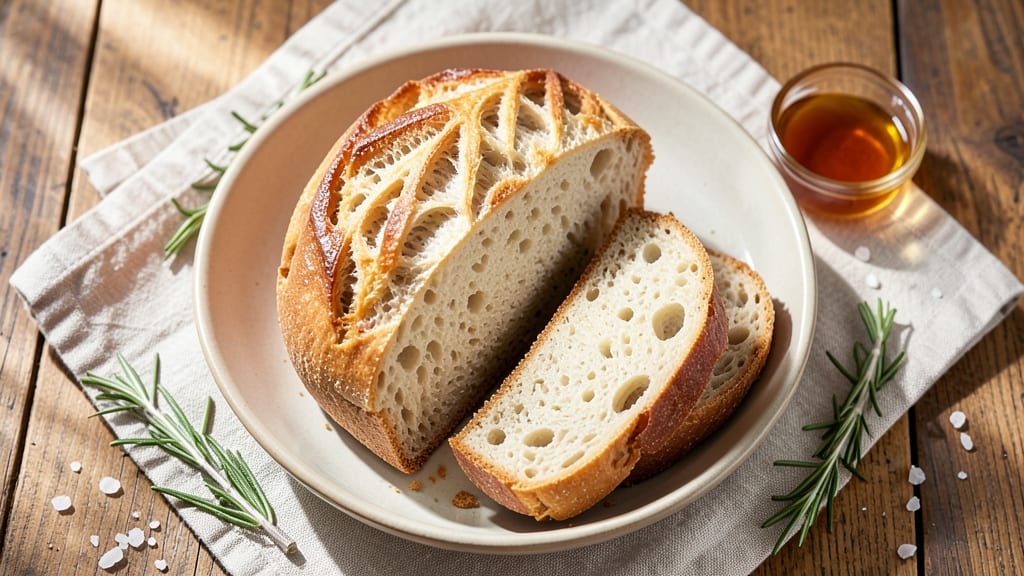
This airy whole wheat bread recipe transforms dense, heavy loaves into light, fluffy bread that rivals white bread in texture while keeping all the nutrition. The secret lies in a precise blend of whole wheat flour, vital wheat gluten, and proper hydration—techniques that prevent the crumb from becoming compact.
I developed this recipe after years of experimenting with traditional whole wheat loaves that always turned out disappointingly dense, and this method finally delivers that perfect balance of airiness and heartiness.
The process begins with a careful mix of whole wheat flour and vital wheat gluten, which improves elasticity and rise. We use a combination of warm water and a touch of honey to activate the yeast while adding subtle sweetness that enhances flavor without overpowering the whole wheat taste.
The dough undergoes two rises—one after initial mixing and a second after shaping—which allows the gluten to fully develop, creating that signature light, open crumb structure.
For best results, we bake at a high temperature with steam to encourage oven spring, ensuring your bread emerges with a crisp golden crust and tender interior.
What sets this recipe apart is its ability to deliver restaurant-quality results at home with just a few key techniques. The bread stays moist for days thanks to the honey and proper hydration levels, while the whole wheat flour provides fiber, protein, and a satisfying nutty flavor.
Whether you're making sandwiches, toast, or simply enjoying it with butter, this bread will become a staple in your kitchen—finally proving that whole wheat bread can be both nutritious and delightfully light.
For those who want to take it further, we include optional variations like adding seeds or herbs to the dough, or even experimenting with a sourdough starter for even more depth of flavor.
The recipe is designed to be adaptable while maintaining its core airy texture, so you can customize it to suit your preferences without sacrificing the light, fluffy rise. Let's get started on baking bread that's as good as it gets.
Ingredients for airy whole wheat bread
These 13 ingredients transform dense whole wheat loaves into light, fluffy bread with perfect rise and nutrition.
| Ingredient | Amount | Notes |
|---|---|---|
| Whole Wheat Flour 🌾 | 3 cups | High-protein for better rise |
| Vital Wheat Gluten 🌾 | ½ cup | Essential for elasticity |
| Active Dry Yeast 🍞 | 2 ¼ tsp | Freshly opened for best results |
| Granulated Sugar 🍚 | 1 tbsp | Feeds yeast activation |
| Honey 🍯 | 1 tbsp | Enhances flavor and moisture |
| Warm Water 💧 | 1 ½ cups | 110°F for yeast activation |
| Salt 🧂 | 1 ½ tsp | Kosher or sea salt preferred |
| Unsalted Butter 🧈 | ¼ cup | Softened for dough tenderness |
| Extra-Virgin Olive Oil 🫒 | ¼ cup | For dough enrichment |
| Milk 🥛 | ½ cup | Warmed for better gluten development |
| Cornmeal 🌽 | ½ cup | For dusting and crisp crust |
| Ice Cubes ❄️ | ½ cup | For shaping dough |
| Optional Seeds 🌻 | ¼ cup | Sunflower or sesame seeds |
The whole wheat flour is the foundation, but it's the vital wheat gluten that makes this bread light instead of dense. Bob's Red Mill or King Arthur brands work best—they're consistently high-protein. If you're using store-brand flour, check the protein content (12-14% is ideal). The yeast needs to be fresh, so grab a new packet if yours is over a month old. For the butter, Land O'Lakes unsalted is my go-to—it's reliable and affordable. Warm the water to 110°F (not boiling) to gently activate the yeast without killing it. If you're feeling fancy, add a pinch of nutmeg to the dough for depth, but it's not required.
No vital wheat gluten? Substitute with an extra 0.25 cup whole wheat flour, but expect a slightly denser crumb. Running out of honey? Maple syrup at the same amount works just as well. The milk can be swapped for warm water if you're avoiding dairy, but the butter is non-negotiable—it keeps the bread tender. For the optional seeds, Trader Joe's has great pre-mixed seed blends, or just grab sunflower seeds from the bulk bin. If your yeast isn't active after 10 minutes, toss it and start fresh—there's nothing worse than waiting for dough that won't rise. The cornmeal is key for that crisp bottom crust, so don't skip it.
This dough is best used within 24 hours of mixing, but you can shape it and refrigerate overnight for a slower rise (just add 1-2 extra hours to the schedule). For storage, wrap tightly in a clean kitchen towel or plastic wrap—it stays fresh for 3-4 days at room temperature. Freeze slices for up to 3 months by wrapping them individually in plastic. The honey keeps it moist, so you won't need to worry about drying out. If you make a double batch, freeze half immediately—you'll thank me later when you're not scrambling to use up dough.
Why You'll Love This Recipe
- No-Knead Magic: I swear by this—just mix, let it rise, and bake. The vital wheat gluten gives it that lightness whole wheat usually can’t pull off, so it’s actually soft, not dense.
- Sweet & Savory Flex: That touch of honey and sugar isn’t just for flavor—it feeds the yeast and balances the earthy whole wheat. Toast it for breakfast or use it as a sandwich base for BLTs. (Yes, even on a Tuesday night.)
- Weeknight Wonder: I make a loaf every Sunday because it’s the only bread that doesn’t turn into hockey pucks by Wednesday. Freezes perfectly for when I’m too tired to bake.
- Budget Bright Spot: Whole wheat flour is cheaper than white, and this recipe stretches further. A single batch feeds my family for days—no sad, stale ends here. Plus, the yeast does all the work.
Step-by-step instructions for airy whole wheat bread
Here's how to transform dense whole wheat dough into a light, fluffy loaf that rises beautifully.
Activate the Yeast and Mix the Wet Ingredients
In a large bowl, combine the 1.5 cups warm water (about 110°F) with the 2.25 tsp active dry yeast, 1 tbsp granulated sugar, and 1 tbsp honey. Let this sit for 5-10 minutes until it becomes frothy—this tells you the yeast is alive and active. If it doesn't bubble, your yeast might be old, and you'll need to start over.
In a separate bowl, whisk together the 0.25 cup unsalted butter (softened), 0.25 cup extra-virgin olive oil, and 0.5 cup milk (warmed to 110°F) until smooth. This mixture adds richness and helps create that tender crumb. Keep both bowls nearby—you'll combine them next.
Combine Dry Ingredients and Form the Dough
In the bowl with the activated yeast mixture, add the 3 cups whole wheat flour, 0.5 cup vital wheat gluten, and 1.5 tsp salt. The gluten is key here—it gives the dough the elasticity it needs to rise properly without becoming dense. Use a wooden spoon to stir until a shaggy dough forms, then switch to your hands to knead.
Gradually incorporate the wet ingredients from the second bowl, mixing until everything comes together. The dough will be sticky at first, but as you knead, it will start to pull away from the sides of the bowl. Sprinkle a little extra flour if needed, but don't overdo it—too much flour will make the bread dense. Knead for about 8-10 minutes until the dough is smooth and elastic.
First Rise and Shape the Dough
Lightly grease a large bowl with olive oil, place the dough inside, and cover it with a damp towel or plastic wrap. Let it rise in a warm place (like near the oven with the light on) for 1-2 hours, or until it has roughly doubled in size. You'll know it's ready when you poke it gently and the dough springs back slowly—this indicates it's properly proofed.
Once risen, turn the dough out onto a lightly floured surface and gently shape it into a round loaf. Here's the trick: press your fingertips into the dough to create a slight dimple in the center. This helps the bread expand evenly as it bakes. Place the shaped dough on a parchment-lined baking sheet, cover it with the 0.5 cup ice cubes (this chills the surface slightly for better shaping), and let it rest for 10 minutes.
Second Rise and Prepare for Baking
After the rest, remove the ice cubes and let the dough rise again for another 30-45 minutes until it's puffy and nearly doubled in size. While it rises, preheat your oven to 375°F. This second rise is crucial—it ensures the bread will have that light, airy texture you're aiming for.
Just before baking, sprinkle the dough generously with 0.5 cup cornmeal and the 0.25 cup optional seeds (if using). The cornmeal creates a crisp, golden crust, while the seeds add texture and flavor. Bake for 35-40 minutes, or until the bread is deep golden brown and sounds hollow when tapped on the bottom. If the top browns too quickly, tent it loosely with foil.
Cool and Enjoy Your Fluffy Bread
Remove the bread from the oven and let it cool on a wire rack for at least 20 minutes. This step is critical—cooling prevents the bread from becoming gummy inside. The crust should be crisp, the crumb light and airy, and the flavor rich with notes of honey and whole wheat.
Slice it while still slightly warm for the best texture. Store any leftovers in an airtight container for up to 3 days, or freeze for longer storage. This bread is perfect for toast, sandwiches, or simply enjoying with butter and jam. The secret to its lightness? The vital wheat gluten and proper kneading—don't skip either!
Pro Tips For Making Airy Whole Wheat Bread
- Weigh Your Flour: Whole wheat flour is dense and varies wildly by brand—scooping it from the bag packs in too much air, leading to a dense loaf. Use a kitchen scale for precision; aim for 450 grams total (including the vital wheat gluten). I learned this the hard way after baking three batches that turned out like bricks.
- Bloom the Yeast Warm: Skip the fridge for your yeast—active dry yeast needs warmth to wake up. Mix it with the honey and warm water (about 110°F/43°C) and let it sit for 5–10 minutes until frothy. If it doesn’t bubble, your dough will take forever to rise, and the bread might taste flat. Trust the process—yes, even if you’re impatient like me.
- Knead Just Enough: Whole wheat dough is stubborn, but overworking it makes it tough. Stop when it’s smooth and springs back slowly when poked (about 8–10 minutes by hand). I used to knead until my arms ached, only to end up with bread that chewed back. Less is more—this dough doesn’t need a workout.
- Steam the First 10 Minutes: Whole wheat bread dries out fast, so create a steam bath in your oven. Place a baking sheet on the lower rack, pour in 1 cup of boiling water, then slide your loaf in. The steam keeps the crust from forming too quickly and locks in moisture. Sounds weird, but it works—your loaf will stay tender longer.
Common mistakes when making this recipe
Over-Kneading the Dough
Whole wheat dough is delicate, and over-kneading can turn your airy loaf into a dense brick. I’ve ruined many batches by pushing past the 8-10 minute mark—stop when the dough springs back immediately when poked.
Overworking develops too much gluten, which tightens the crumb and traps air instead of letting it expand. For sticky dough, wet your hands and use a bench scraper to handle it gently. 💡
Skipping the Gluten Boost
Vital wheat gluten is non-negotiable for airy whole wheat bread. Without it, your loaf will collapse like a sad soufflé. I once tried substituting with extra flour—big mistake! The gluten gives structure to the whole wheat’s heavy proteins.
Use 0.5 cup vital wheat gluten (like Bob’s Red Mill) and measure it precisely. If you’re gluten-sensitive, try a 1:1 gluten-free flour blend with xanthan gum instead. 🌾
Ignoring the Second Rise
Many home bakers cut the second rise short to save time, but this is where the magic happens. The dough needs 30-45 minutes to fully proof after shaping—skipping this step results in a compact, flat loaf.
Place your dough in a warm spot (like a turned-off oven with the light on) and check for puffiness. If it’s not doubled, give it more time—rushing leads to disappointment. ✨
Using Cold Ingredients
Cold water or butter can shock the yeast and slow fermentation, leading to poor rise. Always use 110°F water for the yeast and warm the milk/butter to room temperature. I learned this the hard way when my dough took three hours to rise—now I keep a thermometer handy.
Pro tip: Microwave the water for 30 seconds to hit the perfect temp. 🌡️
Overloading with Add-Ins
Seeds, nuts, and dried fruit are great—but too many can weigh down your bread. Stick to 0.25 cup total of add-ins (like sunflower seeds) to avoid sinking the rise. Distribute them evenly in the dough and sprinkle a few on top before baking for texture without density.
I once added ½ cup nuts and ended up with a rock-hard loaf. Less is more! 🌻
Baking Without Steam
Steam helps create that crisp crust and encourages oven spring. Place an ice cube tray or spray bottle of water in the oven while preheating, or bake the bread on a tray of boiling water for the first 10 minutes.
Without steam, your crust will be dull and the crumb may cave. I now always use a steam pan or a tray of hot water—it’s worth the extra step! 💧
Nutrition facts
Frequently asked questions
Why does my whole wheat bread always turn out dense?
Whole wheat flour absorbs more water and lacks the natural gluten structure of white flour. The key to airiness is using vital wheat gluten (which adds elasticity) and proper kneading for 8-10 minutes. Also, don't skip the second rise—this is when the dough develops its light structure. Too much flour or over-kneading can also compact the crumb.
Can I make this bread without vital wheat gluten?
Yes, but your bread will be denser. Replace the 0.5 cup vital wheat gluten with an extra 0.25 cup whole wheat flour, but expect a heavier texture. For better results, try a 1:1 gluten-free flour blend with xanthan gum (about 0.5 tsp) to mimic gluten's structure. The honey and proper hydration will still help with moisture.
How do I know when the dough is fully risen?
Gently press your finger into the dough—if it springs back slowly (not immediately), it's ready. For the first rise, this should take 1-2 hours. After shaping, the second rise takes 30-45 minutes until the dough is puffy and nearly doubled. Place your bowl in a warm spot (like a turned-off oven with the light on) to speed up fermentation.
What's the best way to store this bread?
Wrap cooled bread tightly in a clean kitchen towel or plastic wrap to retain moisture. It stays fresh for 3-4 days at room temperature. For longer storage, slice and freeze individual portions in airtight bags for up to 3 months. The honey and olive oil help prevent drying, but avoid refrigerating—it makes bread stale faster.
Can I add nuts or seeds to this recipe?
Yes, but keep it to 0.25 cup total to avoid weighing down the dough. Sunflower or sesame seeds work best. Distribute them evenly in the dough and sprinkle a few on top before baking. Too many add-ins (like ½ cup nuts) can sink the rise and create a heavy crumb. For extra flavor, try a pinch of nutmeg or cinnamon in the dough.