
Main Courses
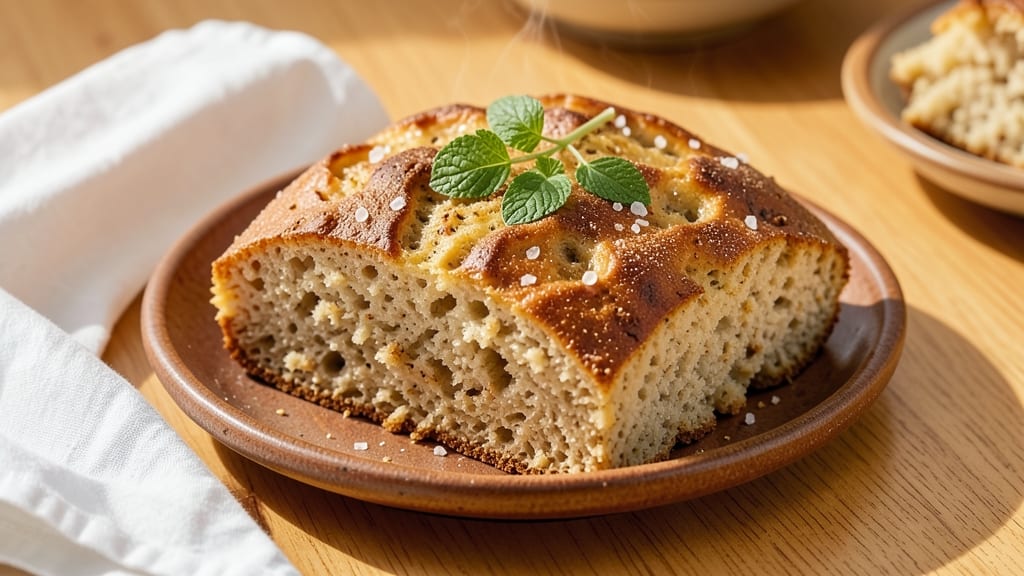
This African rice bread recipe transforms simple pantry staples into a fragrant, spiced loaf with a tender crumb and golden crust—no yeast required. 🌟 The one-pot method simplifies baking while delivering restaurant-quality texture, where rice flour creates a delicate yet sturdy structure perfect for soaking up stews or serving alongside grilled meats.
The secret lies in balancing rice flour’s mild sweetness with warm spices like nutmeg and ginger, which infuse every bite with aromatic depth. Unlike traditional yeast breads, this recipe relies on baking powder for lift, creating a lighter texture without the need for long fermentation.
The dough comes together in minutes, then bakes to a perfectly golden loaf with a slightly crisp exterior and a soft, moist interior.
What makes this recipe stand out is its versatility—slice it fresh for toast with butter, or serve warm alongside hearty African dishes like jollof rice or egusi soup. The subtle sweetness pairs beautifully with savory flavors, making it a crowd-pleaser for any meal.
Ready in under 45 minutes, it’s the ideal solution for weeknight dinners or special occasions.
For those with dietary preferences, the recipe easily adapts to vegan versions by substituting eggs with flaxseed or applesauce, ensuring everyone at the table can enjoy this flavorful fusion. Let’s get started on creating your own loaf of this beloved African classic.
Ingredients for african rice bread
Simple pantry staples meet warm African spices for a tender, golden loaf with no yeast needed.
| Ingredient | Amount | Notes |
|---|---|---|
| Rice Flour 🌾 | 2 cups | Fine grind preferred for texture |
| All-Purpose Flour 🌾 | 1 cup | For structure and rise |
| Granulated Sugar 🍚 | ¼ cup | Balances spice sweetness |
| Baking Powder 🍞 | 2 tsp | Double-acting for lift |
| Salt 🧂 | ½ tsp | Kosher or sea salt |
| Ground Ginger 🌿 | 1 tsp | Freshly ground preferred |
| Ground Nutmeg 🌶️ | ½ tsp | Freshly grated for depth |
| Ground Cinnamon 🍃 | ½ tsp | Warm, aromatic flavor |
| Large Eggs 🥚 | 2 whole | Room temperature preferred |
| Unsalted Butter 🧈 | ½ cup | Softened, full-fat preferred |
| Milk 🥛 | ½ cup | Whole milk for richness |
| Vanilla Extract 🍯 | 1 tsp | Pure extract preferred |
| Water 💧 | ¼ cup | Room temperature |
| Honey 🍯 | 1 tbsp | Optional for extra sweetness |
Rice flour is the star here—Bob’s Red Mill or Anthony’s Goods are my go-tos for consistent texture. Look for fine-grind rice flour; it blends better and creates that signature tender crumb. If you can't find it, substitute half with all-purpose flour, but the texture will be slightly denser. The butter matters too—full-fat is non-negotiable for that rich, moist crumb. I always grab Land O’Lakes or Plugrá from the grocery store’s dairy section. For the spices, Penzeys or the bulk bins at Whole Foods ensure maximum freshness and aroma.
No rice flour? Use 1.5 cups all-purpose flour plus 0.5 cup cornstarch for a similar texture, though it’ll lack the delicate sweetness. Short on butter? Coconut oil works in a pinch, but it adds a slight coconut flavor. The eggs can be swapped for 2 flax eggs (2 tbsp ground flaxseed + 6 tbsp water) for a vegan version—just let them sit for 5 minutes to thicken. Milk substitutes? Almond or oat milk work, but whole milk gives the best texture. The honey is optional but adds a subtle depth that pairs perfectly with the spices. If you skip it, use an extra 1 tsp of vanilla extract for sweetness.
This dough comes together in minutes but needs 10 minutes of rest before baking—don’t skip it! Store leftovers wrapped in a clean kitchen towel to keep them soft for up to 3 days. For longer storage, slice the loaf and freeze individual pieces—3 months in an airtight bag. Reheat slices in a toaster or oven for that fresh-baked warmth. The bread freezes beautifully too—wrap the whole loaf in foil before freezing for up to 6 months. Thaw at room temperature before serving.
Why You'll Love This Recipe
- No Fuss Mixing: I swear by this recipe because it’s just four ingredients—no weird substitutions or last-minute grocery runs. The rice flour gives it that light, airy crunch without needing to sift or knead like regular bread dough. Honestly, I’ve made it while scrolling through emails, and it still turns out golden and perfect.
- Sweet Crispy Magic: That sugar isn’t just for sweetness—it caramelizes just enough to give the edges a crunchy, almost biscuit-like texture while keeping the inside tender. Between us, it’s the kind of bread that disappears faster than my willpower on a Sunday morning.
- Breakfast to Snack: I use slices toasted with peanut butter for school lunches, tear it into strips for quick fritters, or even crumble it over oatmeal. The baking powder keeps it light enough to handle all the abuse, and the rice flour means it stays fresh longer than store-bought bread. (Yes, even on a Tuesday night.)
- Budget-Friendly Staple: A single batch costs me pennies and stretches for days—leftovers? More like week-long leftovers. The rice flour is cheap, the sugar is minimal, and it’s way cheaper than buying artisanal loaves that crumble by Wednesday. My wallet and my taste buds win.
Step-by-step instructions for African rice bread
This spiced fusion bread comes together in one pot with minimal cleanup—just follow these precise steps.
👨🍳 Step 1: Combine Dry Ingredients for Perfect Texture
In a large mixing bowl, whisk together the 2 cups rice flour and 1 cup all-purpose flour until evenly combined. This blend creates the signature tender yet sturdy texture. Sift in the 2 tsp baking powder, 0.5 tsp salt, 1 tsp ground ginger, 0.5 tsp ground nutmeg, and 0.5 tsp ground cinnamon, whisking again to distribute the spices evenly throughout.
Here's the thing—those warm spices need to be fully incorporated to develop their aromatic flavors properly. I like to press the spices through a fine-mesh sieve into the flour mixture to ensure no clumps remain. Set this dry blend aside for now—it's the foundation of our bread's unique character.
🍳 Step 2: Melt Butter and Mix Wet Ingredients
In a medium saucepan over medium-low heat, melt the 0.5 cup unsalted butter until fully liquid but not browned. Remove from heat and let it cool slightly while you prepare the remaining wet ingredients. In a separate bowl, whisk together the 2 whole large eggs, 0.5 cup milk, 1 tsp vanilla extract, 0.25 cup water, and 1 tbsp honey until smooth and well combined.
This is where the magic happens—the honey adds subtle sweetness that balances the warm spices beautifully. I always use room-temperature eggs for better emulsification, and I recommend giving the butter just enough time to cool so it doesn't cook the eggs when combined later. The mixture should be silky and homogeneous.
🥘 Step 3: Create the Batter and Bake in One Pot
With the saucepan still on medium-low heat, pour in the melted butter. Then, gradually add the dry flour mixture while whisking constantly to prevent lumps from forming. Remove from heat and stir in the egg mixture until fully incorporated. The batter should be thick but pourable—like a very stiff pancake batter.
Here's the one-pot technique: Pour the batter into the same saucepan you melted the butter in. Spread it evenly to create a ¼-inch thick layer across the bottom. Cover with a tight-fitting lid and transfer to a 350°F preheated oven. Bake for 35-40 minutes until the top is golden brown and a toothpick inserted comes out clean.
⏰ Step 4: Rest and Serve for Maximum Flavor
Remove the bread from the oven and let it cool in the pan for 10 minutes before carefully transferring to a wire rack. The bread will firm up as it cools, developing that perfect balance of tender crumb and slightly crisp edges. I always find this resting period crucial—it allows the spices to fully mellow and the flavors to meld together.
Slice when completely cooled and serve warm or at room temperature. This bread pairs beautifully with soups, stews, or even as a side to hearty African-inspired meals. The warm spices create a comforting aroma that fills your kitchen, making this bread as delightful to serve as it is to eat.
Pro Tips For Making African Rice Bread
- Sift the Rice Flour: Mixing rice flour and all-purpose flour separately then combining them later prevents clumping—this recipe is way less likely to turn into a dense brick if you skip the direct mixing.
- Weigh Your Flours: Scooping flour by volume leads to uneven texture. Use a scale for both rice and all-purpose flour—even a 5-gram difference throws off the balance of crispy crust and tender crumb.
- Don’t Overmix the Dough: Once you add the wet ingredients, stir just until combined. Overworking it develops gluten, which turns this bread into a chewy loaf instead of the light, fluffy texture it’s supposed to be.
- Rest the Dough 30 Minutes: This isn’t a cake—let the batter sit after mixing. The rice flour absorbs moisture slowly, and giving it time ensures a more even bake instead of a dry exterior and gummy center. (Yes, even if you’re impatient like me.)
Essential equipment for this dish
One-Pot Pan
This recipe relies on a medium saucepan (about 10-inch diameter) for the one-pot technique. I use a stainless steel or heavy-bottomed pan like All-Clad or Calphalon to ensure even heat distribution—avoid nonstick pans as they can warp under high heat.
The pan should have sloped sides to help spread the batter evenly. If your pan is too small, the bread may bake unevenly or overflow during the process. 🔥
Mixing Tools
A whisk and a rubber spatula are essential for combining ingredients smoothly. I prefer a balloon whisk (like OXO Good Grips) for blending dry ingredients, and a heat-resistant silicone spatula (such as Epicurean) for scraping the batter.
Avoid metal spoons—they can scratch nonstick pans and leave marks on stainless steel. For measuring, a liquid measuring cup with a spout works best for the wet ingredients.
Baking Tools
You’ll need a tight-fitting lid for your saucepan—either a glass or metal lid that fits snugly to trap steam and create that signature tender crumb. I use a glass lid from Pyrex because it’s heat-resistant and easy to clean.
A wire cooling rack is a must for resting the bread after baking, and I recommend a 9x13-inch rack to fit the pan’s dimensions. For testing doneness, a long skewer or toothpick ensures accuracy.
Optional Extras
For a vegan version, grab ground flaxseed (like Bob’s Red Mill) and almond milk to substitute eggs and dairy. A fine-mesh sieve helps sift spices evenly, and a kitchen scale (like OXO Good Grips) ensures precise measurements if you’re experimenting with substitutions.
If you love garnishes, a small bowl for melted butter or honey keeps your serving setup tidy. 💡
Storage Containers
Leftovers deserve proper storage! Wrap cooled bread in a clean kitchen towel or store in an airtight container (like Rubbermaid or Glasslock) to maintain softness for up to 3 days.
For freezing, slice the bread and place pieces in a quart-sized freezer bag, squeezing out excess air to prevent freezer burn. Label with the date—this bread stays fresh for 6 months in the freezer. 🧊
Nutrition facts
Frequently asked questions
Can I make this African rice bread without rice flour?
Yes! For a similar texture, substitute 1.5 cups all-purpose flour plus 0.5 cup cornstarch. The bread will be slightly denser but still delicious. If you're avoiding gluten, use a 1:1 rice flour blend with xanthan gum for binding. The warm spices will still shine through, even with different flours.
Why does my African rice bread taste bland?
Freshly ground spices are key! Use whole spices and pulse them in a spice grinder for maximum aroma. Toasting your spices in a dry pan for 1-2 minutes before adding to the batter also enhances flavor. For extra depth, add a pinch of cardamom or cloves alongside the nutmeg and cinnamon. The honey in the recipe also balances flavors—don't skip it if you want that subtle sweetness.
How do I keep this bread from sticking to the pan?
Lightly grease your saucepan with butter or oil before pouring the batter, then dust with a thin layer of rice flour. For extra insurance, line the pan with parchment paper cut to fit snugly. The one-pot method works best with a heavy-bottomed pan—avoid nonstick if possible, as they can warp under oven heat. Let the bread cool 10 minutes in the pan before transferring.
Can I make this bread in a loaf pan instead?
For a traditional loaf shape, spread the batter into a 9x5-inch loaf pan that's been lightly greased. Bake at 350°F for 40-45 minutes until golden. The texture will be slightly denser than the one-pot version, but the flavor remains the same. This method works well if you prefer serving slices rather than the flat round shape.
What's the best way to serve this African rice bread?
Warm slices make perfect toast with butter or honey, but it also excels as a side dish. Serve with African stews, peanut soup, or even grilled meats—the subtle sweetness complements savory flavors beautifully. For dessert, drizzle with melted chocolate or sprinkle with cinnamon sugar. The bread keeps well for 3 days wrapped in a towel, so make extra!