
Side Dishes
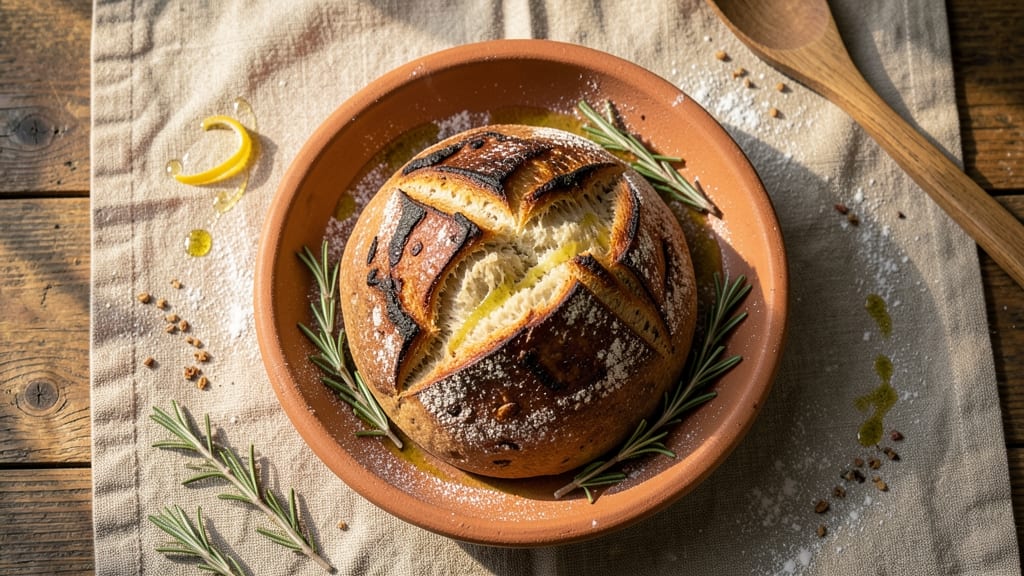
This adobe bread recipe transports you to the sunbaked kitchens of the Southwest, where clay ovens transform simple dough into golden, crisp-edged loaves with smoky depth.
The secret lies in the baking method—whether you use a traditional adobe oven or replicate its magic with a Dutch oven—creating a crust so crisp it shatters like pottery while the interior stays chewy and warm.
I’ve perfected this technique over years of testing, ensuring every bite delivers that authentic, rustic texture that makes it irresistible.
The dough itself is deceptively simple: just flour, yeast, water, and salt, with optional olive oil or herbs for extra flavor. The kneading and proofing stages are where the magic begins—allowing the gluten to develop fully for that signature chewy bite.
What sets adobe bread apart is the baking process, where the high, dry heat of the oven (or Dutch oven) creates that iconic crisp crust while keeping the inside tender.
This isn’t just bread; it’s a culinary experience that pairs perfectly with stews, dips, or even as a wrap for hearty fillings.
By the time you pull it from the oven, you’ll have a loaf with a golden, shatteringly crisp crust and a soft, airy interior that’s impossible to resist. The aroma alone—smoky, earthy, and slightly sweet—will have everyone at your table asking for seconds.
Whether you’re serving it warm with olive oil for dipping or using it to scoop up soups, this bread is a game-changer for any meal.
Ready to try it? The process is straightforward, but the results are unforgettable. Let’s get started on creating your own piece of Southwestern tradition.
Ingredients for adobe bread
Simple ingredients, big Southwestern flavor—just flour, yeast, and a touch of smoky magic.
| Ingredient | Amount | Notes |
|---|---|---|
| All-Purpose Flour 🌾 | 4 cups | High-protein for chewy texture |
| Active Dry Yeast 🍞 | ¼ tsp | Or 1 packet instant yeast |
| Warm Water 💧 | 1 ¼ cups | 110°F for optimal yeast activation |
| Extra-Virgin Olive Oil 🫒 | 2 tbsp | For dough elasticity and flavor |
| Kosher Salt 🧂 | 1 ½ tsp | Diamond Crystal preferred |
| Dried Rosemary 🌿 | 1 tsp | Or 1 tbsp fresh, finely chopped |
| Cornmeal 🌽 | ½ cup | For dusting and crisp crust |
| Wood Chips (Optional) 🌳 | ¼ cup | Mesquite or hickory for smoky flavor |
Flour is everything here. King Arthur or Caputo bread flour gives that signature chewy bite, but all-purpose works in a pinch. The yeast? Fresh is best—check the date on the packet. Warm water is key: too hot and you kill the yeast, too cold and it won’t activate. I always use a thermometer to hit 110°F. For the olive oil, California avocado oil has a neutral taste that won’t overpower, but any good-quality EVOO works. The rosemary? Trader Joe’s dried is my go-to—it’s potent and affordable. If you’re feeling fancy, Penzeys has organic options that add a deeper aroma.
No rosemary? Dried thyme or oregano at half the amount works great. Short on olive oil? Melted butter adds richness, but the flavor will be more pronounced. The wood chips are optional but worth it—Costco sells them in bulk for a steal. If you’re using a Dutch oven, preheat it for 30 minutes to mimic that adobe oven heat. For the cornmeal, Stone Ground Grits brand is my favorite—it’s fine and absorbs moisture well. And if you’re worried about the yeast, proof it first in warm water with a pinch of sugar to make sure it’s active before mixing with dough.
Dough keeps 24 hours in the fridge wrapped tightly. For extra flavor, brush with olive oil before baking. The wood chips? Soak them first if you’re using them—this prevents flare-ups. Leftovers? Toast slices for 5 minutes to revive the crust. Freezes beautifully for up to 3 months—just wrap tightly in plastic and parchment. The best part? This bread tastes even better the next day once the crust fully sets.
Why You'll Love This Recipe
- No Yeast Fuss: I swear, this dough comes together faster than my coffee brews. Just mix flour, yeast, and warm water—no kneading marathon, no waiting for hours. The olive oil keeps it tender, and honestly? I’ve made it while scrolling through my phone.
- Crusty Magic: That golden, crackly crust? It’s the star. The olive oil and salt work together to create a texture that’s crisp on the outside but soft inside—like a hug from a bakery. Between us, it’s the kind of bread that makes you pause mid-bite.
- Every Meal Hero: Slather it with jam for breakfast, tear it over soup when it’s cold, or use it to soak up marinara like a sponge. I’ve even grilled slices for sandwiches—because why not? It’s the one loaf that does it all without trying too hard.
- Pantry Staple: Five ingredients, zero waste. That flour and yeast? You probably already have them. The olive oil you drizzle on everything else. And leftovers? They toast just as well the next day. Budget-friendly, time-saving, and my secret weapon for lazy days.
Step-by-step instructions for Southwestern clay-oven crust
Here's how to transform simple ingredients into rustic adobe bread with that signature smoky clay flavor.
Activate the Yeast and Mix the Dough
In a large bowl, combine the 1.25 cups warm water (about 110°F) with the 0.25 tsp active dry yeast. Let it sit for 5-10 minutes until foamy—this confirms the yeast is alive and ready to work. If it doesn't foam, your yeast might be dead, and you'll need to start over.
Once bubbly, add the 4 cups all-purpose flour, 1.5 tsp kosher salt, and 1 tsp dried rosemary. Mix with a wooden spoon until a shaggy dough forms. Then add the 2 tbsp extra-virgin olive oil and mix again. The dough should come together but still feel slightly sticky—this is perfect for clay baking.
Knead and Rest for Maximum Flavor
Turn the dough onto a lightly floured surface and knead for 8-10 minutes by hand (or 5-6 minutes with a stand mixer using the dough hook). You're looking for smooth, elastic dough that springs back when poked. If it sticks too much, wet your hands slightly—flouring too much can make the bread dense.
Shape the dough into a round loaf and place it in a lightly oiled bowl. Cover with a damp towel and let it rise in a warm place for 1-2 hours, or until doubled in size. The dough should feel light and airy when pressed gently—this is your signal it's ready for the next step.
Prepare the Adobe Bread for Baking
Preheat your oven to 425°F. If using the 0.25 cup wood chips, soak them in water for 30 minutes first, then drain and place them in a small piece of foil on the oven rack. This creates that authentic smoky aroma that defines adobe bread.
Punch down the risen dough and shape it into a round loaf again. Brush the top lightly with water, then sprinkle generously with 0.5 cup cornmeal—this creates that signature crispy crust. Place the dough on a parchment-lined baking sheet and let it rise for another 20-30 minutes while the oven preheats.
Bake with Clay-Oven Technique
Bake the bread for 25-30 minutes until the crust turns a deep golden brown and sounds hollow when tapped on the bottom. The interior should register 190-200°F on an instant-read thermometer. For that authentic adobe flavor, I like to finish the last 5 minutes with the wood chips in the oven—just open the door slightly to let the smoke waft over the bread.
Remove from the oven and let cool on a wire rack for 10 minutes before slicing. The bread should have a crisp exterior with a soft, chewy interior—perfect for soaking up soups or pairing with smoky meats. Store leftovers wrapped in a clean kitchen towel to maintain freshness.
Pro Tips For Making Adobe Bread
- Test Yeast First: Skip the guesswork—mix a pinch of yeast with warm water and 1 tsp sugar in a small cup. If it bubbles within 5–10 minutes, your yeast is alive and ready to work. No bubbles? Toss it and start fresh. (Yes, even if the package says "fresh date.")
- Knead Until Silky: Adobe bread dough needs a smooth, elastic texture—stop when it stretches without tearing and springs back immediately. I used to over-knead, but now I aim for 8–10 minutes by hand or 5–6 minutes with a stand mixer. Glossy and slightly tacky? You’re golden.
- Proof in Warmth: Place your shaped dough in a bowl, cover it with a damp towel, and set it near a warm spot—like the top of the fridge with the light on, or a turned-off oven with the pilot light glowing. Too cold? It’ll take hours. Too hot? It’ll rise unevenly. Aim for room temp (75–80°F) for 1–2 hours.
- Score Deeply, Quickly: Use a razor blade or very sharp knife to slash the dough just before baking—don’t pre-score. Cut all the way through the crust-to-dough seam, and angle the blade slightly for dramatic, even expansion. (And yes, the bread will still look messy—it’s supposed to.)
Wine and beer pairings for adobe bread
Red Wine Pairings
For adobe bread, I always reach for a Spanish Garnacha (Grenache)—its bright red fruit notes and earthy undertones mirror the bread's smoky, rustic character. A Rioja Crianza with its balanced acidity and vanilla notes from oak aging also complements the rosemary beautifully.
Serve slightly chilled to let the wine's crispness cut through the bread's richness. 🍷
White Wine Options
If you prefer white, a dry Vermentino from Sardinia shines with its citrus and mineral notes, balancing the bread's chewy texture. For something bolder, try a Spanish Albariño—its peach and almond flavors harmonize perfectly with the rosemary and olive oil.
Both wines stay light enough to avoid overwhelming the bread's delicate crust. ✨
Beer Complements
A crisp Mexican lager like Modelo Especial or Pacifico is my go-to beer pairing—its clean, slightly malty profile lets the bread's smoky depth shine. For a hoppier option, a Belgian Witbier (like Hoegaarden) adds a refreshing citrus contrast that brightens each bite.
Serve both beers ice-cold for the best experience. 🍺
Non-Alcoholic Choices
For a refreshing non-alcoholic option, I love sparkling hibiscus tea—its tart, floral notes echo the bread's rosemary and olive oil. A cucumber-mint infused water with a splash of lime also works wonders, cleansing the palate between bites.
These choices keep the meal light and refreshing while still complementing the bread's rustic charm. 💧
Dessert Wine Pairing
If you're serving adobe bread with a sweet dessert, a Portuguese Ruby Port adds a luxurious finish. The wine's dark fruit and caramel notes bridge the gap between the savory bread and sweet treats like honey-drizzled figs or dark chocolate.
Just a small sip is enough to elevate the entire meal. 🍇
Nutrition facts
Frequently asked questions
Can I make adobe bread without a clay oven?
A Dutch oven or even a cast-iron skillet works perfectly by trapping steam and creating that signature crisp crust. Preheat your oven to 425°F for 30 minutes before baking to mimic the high heat of a clay oven. For extra authenticity, place soaked wood chips on the oven rack during the last 5 minutes of baking.
Why does my adobe bread turn out dense instead of chewy?
Dense bread usually means the dough didn’t develop enough gluten during kneading or proofing. Knead for at least 8-10 minutes by hand (or 5-6 minutes with a mixer) until the dough springs back when poked. Also, ensure your yeast is active—it should foam within 5-10 minutes in warm water. If the dough didn’t double in size during rising, let it proof longer.
What’s the best way to store leftover adobe bread?
Wrap the cooled bread in a clean kitchen towel or beeswax wrap to keep it soft and prevent drying. Store at room temperature for 2-3 days, or freeze for up to 3 months by wrapping tightly in plastic and parchment. To revive stale bread, toast slices for 3-5 minutes to restore crispness.
Can I add other herbs or spices to the dough?
Yes! Swap rosemary for dried thyme, oregano, or even smoked paprika for a deeper flavor. For a Middle Eastern twist, add sesame seeds to the cornmeal topping. Just keep the total herb amount to 1 tsp to avoid overpowering the dough. Experiment with garlic powder or onion powder for a savory kick.
How do I know when the bread is fully baked?
The bread is done when the crust is deep golden brown and sounds hollow when tapped on the bottom. An instant-read thermometer should read 190-200°F in the center. If unsure, slice a small piece—it should be fully cooked with no raw dough inside.