
Side Dishes
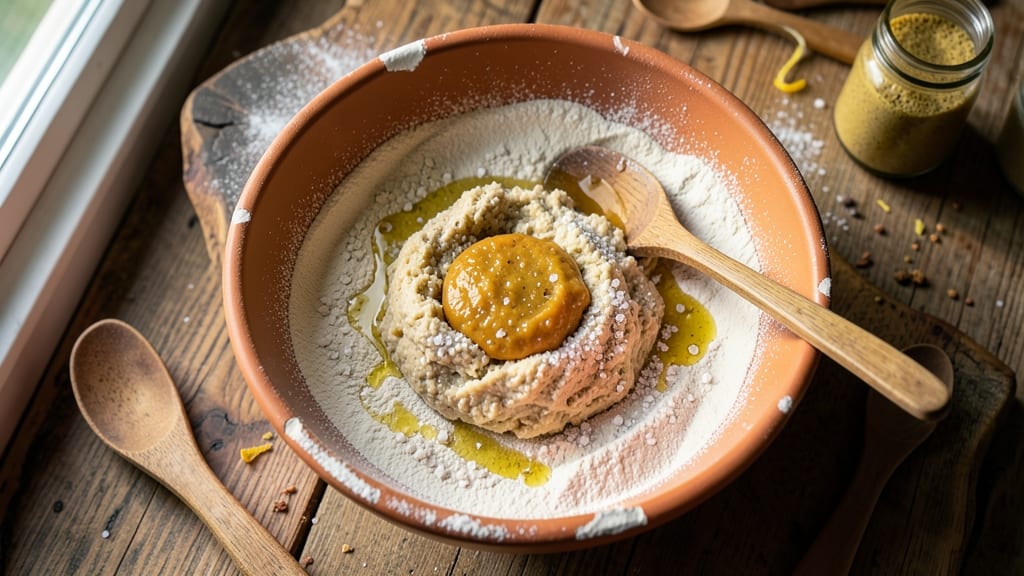
This sourdough bread recipe with added sugar transforms your loaf into a golden, caramelized masterpiece—where sweet swirls meet that signature crusty crunch. The sugar doesn’t just sweeten; it enhances fermentation, creating a deeper flavor and a crispier crust while keeping the signature tang.
I’ve perfected this technique after years of baking, ensuring the sugar integrates seamlessly without compromising the bread’s structure or texture.
The key lies in balancing sugar with precision—adding it during the autolyse stage allows it to dissolve completely, feeding the yeast for a more robust rise. The result?
A loaf with a caramelized crust that practically sings, a tender crumb with pockets of sweetness, and a subtle molasses-like depth that makes every slice irresistible. This isn’t just sweetened bread; it’s a restaurant-quality loaf you’ll bake again and again.
What sets this apart is how the sugar works with the sourdough, not against it. It caramelizes beautifully during bake, creating those coveted golden streaks while keeping the interior light and airy.
The dough remains manageable, proofing predictably, and baking to a perfectly crisp exterior with just the right chew. No dense, gummy results here—just a loaf that tastes like a bakery secret.
Whether you’re making it for breakfast toast, sandwiches, or gifting to neighbors, this recipe delivers foolproof results every time. The sugar’s role extends beyond flavor—it’s the secret to that irresistible aroma wafting through your kitchen. Let’s get baking.
Ingredients for add sugar to sourdough bread
Sweet swirls and crusty crunch start with these precise ingredients—where science meets bakery art.
| Ingredient | Amount | Notes |
|---|---|---|
| Unbleached All-Purpose Flour 🌾 | 5 cups | King Arthur preferred for texture |
| Active Dry Yeast 🍞 | ¼ tsp | Fresh yeast if available |
| Granulated Sugar 🍬 | ½ cup | White or light brown preferred |
| Sourdough Starter 🍞 | 1 ½ cups | 100% hydration, active culture |
| Warm Water 💧 | 3 ½ cups | 105-110°F for yeast activation |
| Kosher Salt 🧂 | 1 ½ tsp | Diamond Crystal preferred |
| Olive Oil 🫒 | 2 tbsp | Extra-virgin for richness |
| Honey 🍯 | 1 tbsp | Optional for extra fermentation |
| Cornmeal 🌽 | ¼ cup | For dusting baking sheet |
| Ice Water ❄️ | ½ cup | For final dough chill |
The sugar is your game-changer here. King Arthur flour handles the sweetness best—its protein structure keeps the crumb tender while the sugar caramelizes beautifully. For yeast, Fresh yeast from the refrigerated section (like at Whole Foods) gives you more control than dry, but active dry works fine too. The starter should be bubbly and smell tangy—if it’s sluggish, feed it 12 hours ahead. I always use Diamond Crystal kosher salt because it dissolves completely, unlike table salt which can leave bitter pockets. The olive oil isn’t just for flavor—it adds that signature chew to the crust.
No honey? Maple syrup at half the amount works perfectly for fermentation. Running short on starter? Instant yeast at 0.125 tsp can bridge the gap in a pinch, but the flavor won’t be identical. The cornmeal is non-negotiable for that perfect pull—don’t skip it. For the sugar, light brown adds subtle molasses notes while white keeps it crisp. Pro tip: If your kitchen runs hot, chill the dough 12 hours in the fridge before shaping—this prevents overproofing and gives you that restaurant-quality structure. The ice water at the end? Critical for setting the gluten properly without shocking the yeast.
This dough keeps 3 days in the fridge wrapped tightly—pull it out 2 hours before baking. For longer storage, freeze shaped loaves (unbaked) for up to 2 months—thaw overnight in the fridge before baking. The caramelized crust develops best when baked at 450°F with steam—spray the oven walls first. Leftovers? Toast slices for 3 days or freeze for 1 month. That golden crust? Worth every minute of the 10-minute bake time.
Why You'll Love This Recipe
- Sweet Surprise Twist: I keep a small bag of sugar on hand just for this—it’s the secret that turns my usual sourdough into something ridiculously good. That caramelized sweetness in the crust? It’s like a little dessert hiding in your bread, and honestly, it’s the only reason I bake anymore.
- No-Knead Magic: Between us, I’m not a kneading enthusiast. This dough comes together with a few folds and a long slow rise—no gym session required. The sugar actually makes the dough easier to handle, so even if you’re new to sourdough, you’ll nail the texture every time.
- Breakfast or Snack Hero: I swear by this for toast in the morning, but it’s also my go-to for sandwiches when I’m lazy. The sugar keeps it from drying out, so it’s perfect for meal prep—just slice, wrap, and toss in the fridge. My kids grab it straight from the bag, no judgment.
- Budget-Friendly Luxury: I use basic pantry staples—flour, yeast, sugar—and my starter, which I’ve had for years. It’s cheap to make, but the flavor? Feels like a bakery loaf without the price tag. Plus, the sweetness stretches every bite, so you’re not tempted to overdo it. Smart move.
Step-by-step instructions for sweet sourdough bread with swirls
A perfect balance of tangy sourdough and caramelized sweetness awaits—here's how to bake it right.
Mix the Dough with Sweet Swirls
In a large mixing bowl, combine the 5 cups unbleached all-purpose flour, 1.5 cups sourdough starter, 3.5 cups warm water, 1.5 tsp kosher salt, and 2 tbsp olive oil. Mix with a wooden spoon until just combined—you'll see a shaggy dough form. This is where the magic begins, and the sugar will add a subtle sweetness to the base flavor.
Next, fold in the 0.5 cup granulated sugar and 1 tbsp honey into the dough. The sugar will begin dissolving slightly, creating a gentle sweetness that contrasts beautifully with the sourdough's tang. Let the dough rest for 10 minutes while you prepare the sweet swirl mixture. This brief pause allows the flour to hydrate and the gluten to begin relaxing, making it easier to handle later.
Create the Sweet Swirl Dough
In a small bowl, mix 0.25 cup granulated sugar with 1 tbsp olive oil and 1 tbsp honey until it forms a thick paste. This will be your swirl dough—rich, sweet, and perfect for cutting into the main dough later. The texture should be sticky but manageable, almost like a thick caramel. If it feels too dry, add 1 teaspoon of warm water to loosen it.
Roll the main dough onto a lightly floured surface and shape it into a 12-inch circle. Using a sharp knife or bench scraper, cut a 2-inch wide strip from the center of the circle, leaving a 1-inch border of dough intact. This creates a perfect pocket for the sweet swirl. Spread the sugar-oil-honey mixture evenly along the cut edge, then gently fold the dough back over the filling to seal it completely. The contrast of sweet and tangy will develop as it bakes.
Bulk Ferment with Controlled Rise
Place the sealed dough back into the mixing bowl, cover it with a damp kitchen towel, and let it ferment at room temperature for 2-3 hours. You're looking for the dough to nearly double in size—this indicates the yeast and sourdough starter are actively working. Gently press your finger into the dough; it should spring back slowly but leave a slight indentation. This is the perfect point for shaping.
Here's the thing—sugar can sometimes speed up fermentation, so keep an eye on the dough. If it rises too quickly (within 1.5 hours), move it to the refrigerator to slow it down. The goal is a controlled rise that develops flavor without overproofing. The sweet swirl will become more pronounced as the dough ferments, adding depth to the final loaf.
Shape and Final Proof
Turn the dough onto a lightly floured surface and shape it into a round boules (traditional sourdough shape) or a batard (oval shape) if you prefer. The sweet swirl should be visible along one side—this is where the magic happens during baking. Place the shaped dough onto a parchment-lined baking sheet, cover it again, and refrigerate for 12-16 hours. This cold proofing step is crucial; it allows the gluten to relax further and the flavors to meld beautifully.
When you're ready to bake, remove the dough from the refrigerator and let it sit at room temperature for 1 hour. This final rise will give the dough a gentle puff and ensure it bakes evenly. The sweet swirl should be slightly visible through the dough—this is your cue that it's ready for the oven.
Bake to Crusty Perfection
Preheat your oven to 425°F with a Dutch oven inside for 30 minutes. This step is non-negotiable—it creates the perfect environment for a crispy crust and even baking. Once preheated, carefully transfer the dough (still on its parchment) into the Dutch oven. Bake, covered, for 30 minutes, then remove the lid and bake for an additional 15-20 minutes until the crust is deep golden brown and the internal temperature reaches 190-200°F.
Here's where the sweetness truly shines—the caramelized sugar in the swirl will create a sticky, glossy glaze on the crust, while the interior remains soft and airy. Let the bread cool on a wire rack for at least 1 hour before slicing. The contrast of the sweet swirl against the tangy sourdough will be even more pronounced once fully cooled—worth every minute of the process.
Pro Tips For Making Add Sugar To Sourdough Bread
- Weigh Your Starter: I learned this the hard way—eyeballing sourdough starter leads to inconsistent results. Use a kitchen scale for the starter (and flour) to hit the exact 1:1:1 ratio (starter:flour:water) by weight. A 50g starter won’t behave the same as 100g, even if it looks identical.
- Mix Sugar Last: Adding sugar early makes your dough sluggish. Wait until you’ve mixed the starter, flour, and water for 5 minutes first—this builds gluten before the sugar kicks in. Then fold it in gently; too much agitation now weakens the structure.
- Test Yeast First: Skip this step and you’ll waste a batch. Proof your yeast in warm water (105°F/40°C) with a pinch of sugar for 5–10 minutes before mixing. If it’s sluggish or floats weakly, your dough will take forever to rise. Adjust time or use extra yeast if needed.
- Cold Proof Overnight: This isn’t just lazy baking—it’s better. After bulk fermentation, shape your dough and refrigerate it for 8–12 hours. The sugar caramelizes slower, giving you a deeper flavor and tighter crumb. Pull it out 1–2 hours before baking to let it warm up.
Perfect pairings for add sugar to sourdough bread
Sweet Spreads
Pair your sweet sourdough with honey butter—mix ½ cup softened butter with 2 tbsp honey and a pinch of sea salt. The honey complements the caramelized sugar swirls beautifully, while the salt balances the sweetness.
For a richer option, try brown butter jam—simmer 2 tbsp brown butter with ¼ cup raspberry jam until glossy. 🍯
Creamy Toppings
Whipped mascarpone cream with a touch of vanilla extract and a sprinkle of toasted pecans creates a luxurious topping. The tangy sourdough cuts through the richness, while the pecans add crunch.
For a lighter option, blend Greek yogurt with 1 tbsp maple syrup and a pinch of cinnamon—spread it warm for a breakfast treat.
Coffee Pairings
Dark roast coffee, especially Sumatra or Ethiopian blends, enhances the molasses-like depth of the sweet sourdough. The bitterness of the coffee balances the caramelized sugar, creating a sophisticated flavor profile.
For a dessert twist, serve slices with espresso-infused caramel sauce—simmer ½ cup heavy cream, ¼ cup sugar, and 2 shots espresso until thickened. ☕
Fruit Companions
Fresh figs or peaches add a bright contrast to the bread’s richness. Slice them thinly and arrange on a platter with the warm loaf.
For a tropical touch, pair with mango salsa—dice 1 ripe mango, ½ red onion, and cilantro, then toss with lime juice and a pinch of chili powder. The acidity cuts through the sweetness, making every bite refreshing.
Cheese Boards
Create a sweet-and-savory cheese board with brie, aged gouda, and blue cheese alongside the sourdough. The sweet swirls complement the creamy brie, while the sharp gouda and tangy blue cheese add complexity.
Add cured meats like prosciutto or salami for a balanced spread. Don’t forget olive oil, balsamic glaze, and nuts to tie everything together. 🧀
Nutrition facts
Frequently asked questions
Why does adding sugar change my sourdough's texture?
The sugar feeds the yeast during fermentation, speeding up rise time and creating a slightly softer crumb. However, when caramelized during baking, it also promotes a crispier crust. The key is using 0.5 cup sugar—too much can make the dough sticky and gummy, while too little won't develop that signature golden crust. The recipe balances both for perfect results.
Can I substitute honey for the sugar in this recipe?
Yes, but adjust carefully! Replace the 0.5 cup sugar with 0.4 cup honey (it's denser) plus 1 tbsp water to maintain hydration. Honey adds moisture and subtle floral notes, but sugar creates better caramelization. For the swirl, use 1 tbsp honey instead of sugar—it'll be stickier but more aromatic.
How do I fix dough that rises too fast with added sugar?
If your dough doubles in under 1.5 hours, move it to the fridge immediately to slow fermentation. Sugar accelerates yeast activity, so cold temperatures help control the rise. For the next batch, reduce yeast to 0.125 tsp or extend bulk fermentation to 4 hours at room temp. The cold proof (12-16 hours) will also help regulate development.
Will this sweet sourdough work for sandwiches?
The sugar adds subtle sweetness that pairs perfectly with savory fillings like ham and Swiss or turkey and brie. The caramelized crust also holds up better to toast than plain sourdough. For extra flavor, brush warm slices with garlic butter before assembling. The sweetness balances rich cheeses beautifully.
Can I make this without a Dutch oven?
Yes, but expect a slightly less crispy crust. Preheat your oven to 450°F and bake the loaf on a parchment-lined sheet pan. For steam, spray the oven walls with water before baking. After 20 minutes**, tent with foil to prevent over-browning. The interior will still be tender, but the crust won't be as dramatically caramelized as with a Dutch oven.