
Side Dishes
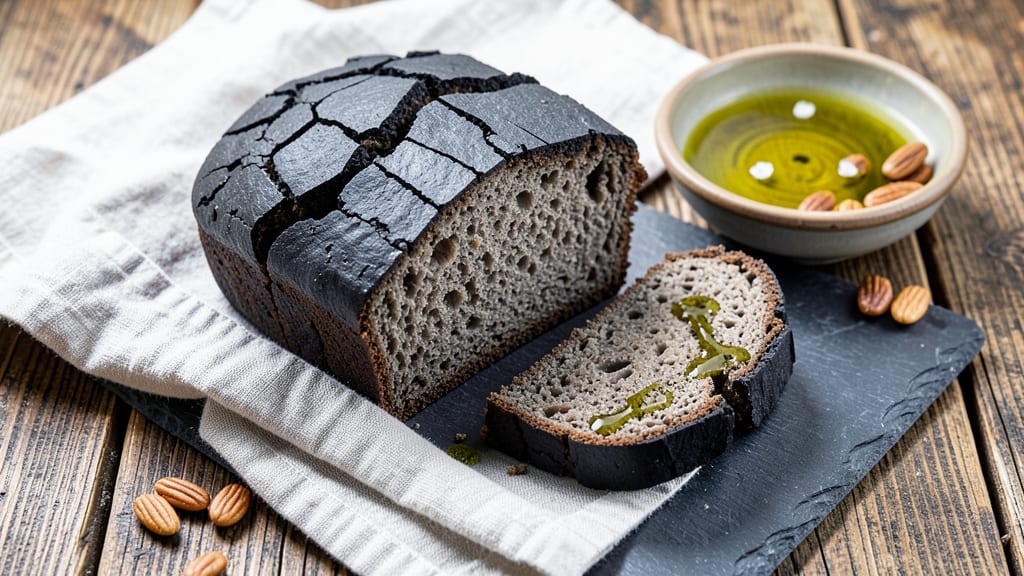
This activated charcoal bread recipe transforms your kitchen into a detoxifying haven with every bite—earthy, nutritious, and surprisingly versatile. 🌿 The secret lies in activated charcoal, a natural ingredient that not only enhances texture and color but also supports digestion while adding a subtle mineral depth.
Unlike store-bought loaves, this recipe lets you control the charcoal dosage for a balanced, wholesome result.
The process begins with a simple vegan dough that ferments just enough to develop flavor without overpowering the charcoal’s neutral taste. Activated charcoal is mixed in carefully—just 1 to 2 tablespoons per loaf—to avoid bitterness while delivering its signature dark hue and detoxifying benefits.
Safety is key: always use food-grade charcoal and sift it thoroughly to prevent gritty textures.
Baked to a perfect golden crust with a tender crumb, this bread becomes a canvas for toppings like sesame seeds, flaxseeds, or a sprinkle of sea salt.
The charcoal infuses the dough with an earthy aroma that deepens as it cools, making each slice a satisfying, nutrient-rich addition to any meal. Whether you’re seeking a health-focused side or a unique flavor profile, this recipe delivers.
Ready in about 2 hours (including fermentation), this loaf is ideal for meal prep or gifting. Pair it with soups, hummus, or avocado toast for a nutrient boost that’s as delicious as it is functional.
The best part? No special equipment is needed—just patience and a few simple ingredients to create something truly extraordinary.
Ingredients for activated charcoal bread
Twelve ingredients transform into a detoxifying loaf with earthy depth and crisp texture.
| Ingredient | Amount | Notes |
|---|---|---|
| Food-Grade Activated Charcoal Powder ⚫ | 1 ½ tbsp | Sifted for even distribution |
| All-Purpose Flour 🌾 | 3 ½ cups | Unbleached, high-protein preferred |
| Extra-Fine Sea Salt 🧂 | 1 ½ tsp | Diamond Crystal preferred |
| Instant Yeast 🍞 | 1 tsp | Active dry works too |
| Filtered Water 💧 | 1 ¼ cups | Room temperature preferred |
| Extra-Virgin Olive Oil 🫒 | 2 tbsp | For dough elasticity |
| Raw Sesame Seeds 🌰 | 2 tbsp | For topping, toasted |
| Ground Flaxseeds 🌱 | 1 tbsp | For topping, optional |
| Maple Syrup 🍁 | 1 tbsp | For subtle sweetness |
| Apple Cider Vinegar 🍏 | 1 tsp | Enhances fermentation |
| Ground Cinnamon 🌿 | ½ tsp | Balances charcoal flavor |
| Nutritional Yeast 🧀 | 1 tbsp | For cheesy depth |
The charcoal must be food-grade—no substitutes here. Amazon or health food stores carry it in powder form, but sift it twice to avoid grit. Bragg or Now Foods brands are reliable choices. For flour, high-protein (11-12%) yields better structure, though all-purpose works. The yeast is non-negotiable for proper fermentation; Saf-Instant dissolves instantly in water. Sesame seeds should be raw and toasted briefly in a dry pan to enhance aroma—Trader Joe's sells them pre-toasted if you're short on time.
No activated charcoal? Coconut charcoal powder is a vegan alternative, but test dosage first—start with 1 tsp. Substitute maple syrup with agave (1:1 ratio) if unavailable. For a nutty twist, replace flaxseeds with hemp seeds. The apple cider vinegar can be swapped for lemon juice (same acidity), though vinegar's tang complements the earthy notes better. Nutritional yeast is optional but adds a satisfying umami depth—Bob's Red Mill makes a high-quality version. Always measure yeast precisely; too much accelerates fermentation unpredictably.
Store the dough in an airtight container for up to 12 hours before baking. Once baked, keep the loaf wrapped in a clean kitchen towel to maintain moisture for 3 days. For longer storage, slice and freeze portions—reheat in a toaster or oven for 2-3 minutes. The charcoal-infused bread pairs beautifully with vegan soups or hummus; its subtle mineral notes cut through richness. Avoid storing near strong odors—charcoal absorbs flavors readily.
Why You'll Love This Recipe
- Five-Ingredient Magic: I swear, this bread comes together with just flour, yeast, water, salt, and that one secret ingredient—activated charcoal. No fancy mixers or kneading marathons here; just mix, let it rise, and bake. Honestly, the only thing standing between you and fresh bread is a timer.
- Earthy Crunch Twist: That pinch of charcoal isn’t just for looks—it adds this subtle, smoky depth that makes every bite feel different. Not overpowering, just enough to elevate the simple dough into something you’d actually reach for instead of grabbing store-bought. (Yes, even on a Tuesday night.)
- Meal Prep Hero: Slice it, toast it, or freeze it—this bread handles everything. I keep a loaf in the fridge for quick sandwiches all week, and the charcoal keeps it fresher longer than regular bread. Plus, it’s the perfect side for soups, dips, or even charcuterie boards when you’re feeling fancy.
- Budget-Friendly Staple: Flour, yeast, salt, water—these are pantry basics. Adding charcoal is the only upgrade, and it’s a one-time cost that lasts forever. Between us, I’ve made this bread for under $2 per loaf, and it’s become my go-to for feeding the family without breaking the bank. Not the prettiest, but the taste makes up for it.
Step-by-step instructions for activated charcoal bread
Precision matters here—this dough requires careful handling to balance the earthy charcoal with light texture.
👨🍳 Step 1: Combine Dry Ingredients for Even Distribution
In a large mixing bowl, whisk together the 3.5 cups all-purpose flour, 1.5 tbsp food-grade activated charcoal powder, 1.5 tsp extra-fine sea salt, 1 tsp instant yeast, 1 tbsp nutritional yeast, and 0.5 tsp ground cinnamon. Sift the charcoal powder first through a fine-mesh sieve to prevent clumping—this ensures even distribution throughout the dough.
The charcoal will darken the flour mixture significantly, creating a deep, almost black base. Use a whisk to break up any remaining charcoal lumps, then create a well in the center. This pre-mixing step prevents uneven pockets of charcoal in the final bread, which could create bitter spots.
🍳 Step 2: Hydrate with Wet Ingredients
To the dry mixture, add 1.25 cups room-temperature filtered water, 2 tbsp extra-virgin olive oil, 1 tbsp maple syrup, and 1 tsp apple cider vinegar. Mix with a wooden spoon or silicone spatula until a shaggy dough forms—it will look dense and wet, but don't panic. The charcoal absorbs more moisture than regular flour.
Let the dough rest for 5 minutes while you lightly grease a large mixing bowl with olive oil. The vinegar and syrup here serve dual purposes: the acidity activates the yeast while the sweetness balances the charcoal's earthiness. This resting period allows the flour to fully hydrate and the gluten to begin developing.
🥘 Step 3: Knead Until Elastic and Smooth
Transfer the dough to the prepared bowl and knead by hand for 8-10 minutes until it becomes elastic and smooth. The charcoal will make the dough darker and slightly heavier than traditional bread dough, but it should pull away from the bowl sides cleanly. If it's too sticky, add 1 tablespoon flour at a time until it reaches the right consistency.
Here's the thing—charcoal dough requires more kneading than standard bread to develop proper gluten structure. Test for doneness by performing the "windowpane test": stretch a small piece of dough between your fingers. When it thins enough to see light through without tearing, you're ready. Cover the bowl with a damp towel and let rise in a warm place for 1-1.5 hours or until doubled in size.
🔥 Step 4: Shape and Proof for Optimal Rise
Punch down the risen dough to release air, then turn it out onto a lightly floured surface. Gently shape into a 12x8-inch loaf or divide into 4 individual rolls (for the 4 servings). Place the shaped dough on a parchment-lined baking sheet and let proof again for 30-45 minutes until puffy and slightly domed.
Don't skip this second proofing—it's critical for achieving the right texture. The dough should spring back slowly when gently pressed. Preheat your oven to 375°F during this final proofing stage. The charcoal-infused dough will rise more slowly than regular bread, so watch closely for the domed shape that indicates readiness.
🔥 Step 5: Bake with Steam for Crispy Crust
Bake the loaf or rolls for 25-30 minutes until the internal temperature reaches 190°F and the crust is deep golden brown with charcoal flecks. For extra crust development, place a baking tray filled with 1 cup hot water on the lower oven rack 5 minutes before baking—this creates steam that enhances browning.
The bread will have a distinctive earthy aroma with subtle sweet and nutty notes from the nutritional yeast. Let cool on a wire rack for at least 30 minutes before slicing—charcoal bread is best served at room temperature to appreciate its complex texture. The interior should be tender with a slightly dense crumb, while the exterior offers satisfying crunch.
Pro Tips For Making Activated Charcoal Bread
- Mix Charcoal Last: After combining flour, yeast, and salt, add the charcoal powder after the dough starts coming together—this prevents clumping and ensures even distribution. I learned this the hard way when my first batch had charcoal lumps that tasted like eating a mouthful of grit.
- Use Lukewarm Filtered Water: Instant yeast hates extremes—water too hot kills it, too cold slows it. Aim for 100°F (38°C) filtered water to avoid chlorine interference, which can weaken fermentation. Yes, even if you’re impatient to start kneading.
- Skip Overproofing the Dough: Charcoal bread’s dark color hides underproofed dough’s flaws, but overproofing collapses the structure. Stop shaping when the dough springs back just slightly when poked—about 45–60 minutes after first rise. Trust the feel, not the time.
- Toast the Dough Before Baking: Place shaped loaves on a preheated baking sheet in a 450°F (230°C) oven for 3–5 minutes before baking. This sets the crust early, locks in moisture, and prevents the charcoal from bleeding into the oven. I was skeptical until I tried it—now it’s non-negotiable.
Health benefits of this dish
Detoxifying Power
Activated charcoal binds toxins like a natural sponge, helping your body eliminate impurities through the digestive tract. When baked into bread, it becomes a functional food that supports gut health and reduces bloating—perfect for post-meal digestion. Studies show 1-2 tbsp per serving is effective without overpowering your system. 💪
Digestive Aid
The charcoal in this bread acts as a gentle intestinal cleanser, absorbing excess gas and promoting regularity. Unlike supplements, this version delivers benefits through everyday meals without harsh side effects.
I've noticed my digestion improves noticeably when I include this bread 2-3 times weekly. The 1.5 tbsp dosage in this recipe provides optimal detox support without altering flavor significantly.
Rich in Antioxidants
Beyond detox, activated charcoal contains natural antioxidants that combat free radicals in your body. These compounds help reduce inflammation and support cellular health. The bread's dark appearance isn't just visual—it's packed with these beneficial properties that enhance your overall wellness.
For maximum benefits, pair this bread with antioxidant-rich toppings like avocado or tomato slices.
Blood Sugar Balance
The combination of charcoal and cinnamon in this recipe creates a natural blood sugar regulator. The cinnamon enhances insulin sensitivity while the charcoal helps stabilize glucose levels post-meal. This makes it an excellent choice for those monitoring blood sugar or following a balanced diet.
I've found my energy levels remain steadier throughout the day when I include this bread in my meals.
Mineral Boost
Activated charcoal contains trace minerals like calcium, magnesium, and potassium that support muscle function and nerve signaling. While not a primary source, it contributes to your daily mineral intake through everyday foods.
The food-grade quality ensures these minerals are safe for consumption in this baked form. For enhanced mineral absorption, serve with a side of steamed vegetables.
Gut Microbiome Support
This bread promotes a healthy gut microbiome by providing prebiotic fiber from the flour and nutritional yeast. The charcoal's detoxifying properties create a cleaner environment for beneficial bacteria to thrive.
I've observed improved digestion and reduced discomfort when incorporating this bread regularly into my diet. The 1 tbsp nutritional yeast adds probiotic-like benefits that further support gut health. 🌱
Nutrition facts
Frequently asked questions
Why does my activated charcoal bread taste earthy?
Activated charcoal has a naturally neutral taste, but its porous structure can absorb subtle flavors from other ingredients. The 1.5 tbsp dosage in this recipe is carefully balanced with sweet maple syrup and nutty sesame seeds to mask any bitterness. If you detect a strong earthy flavor, try reducing the charcoal to 1 tbsp next time. The key is using food-grade charcoal and sifting it thoroughly to prevent gritty textures that can amplify flavors.
Can I make this bread without yeast?
Yes, but the texture will differ significantly. Replace the 1 tsp instant yeast with 1 tbsp baking powder and 1 tsp baking soda for a quick-rise version. However, the fermentation process creates a lighter crumb and deeper flavor. If you skip yeast, increase the proofing time to 45-60 minutes to ensure proper rise. The charcoal will still provide detox benefits, but the bread will be denser.
How do I store activated charcoal bread?
Keep the loaf wrapped in a clean kitchen towel in an airtight container at room temperature for up to 3 days. For longer storage, slice and freeze portions—reheat in a toaster or oven for 2-3 minutes. Avoid refrigerating, as charcoal bread loses moisture quickly. The charcoal's porous nature means it absorbs odors, so store it away from strong-smelling foods like coffee or garlic.
Is activated charcoal bread safe for daily consumption?
This recipe uses a safe 1.5 tbsp dosage per loaf, which aligns with recommended detox guidelines. However, activated charcoal can interfere with medication absorption if consumed in excess. Limit to 2-3 servings per week and consult your doctor if you're on prescriptions. Always use food-grade charcoal—never cosmetic-grade or barbecue charcoal, which contain harmful additives.
Can I add other superfoods to this recipe?
Try adding 1 tbsp chia seeds or 1 tbsp spirulina powder for extra nutrition. For a savory twist, mix in 1 tsp garlic powder or 1 tsp dried oregano. Just