
Side Dishes
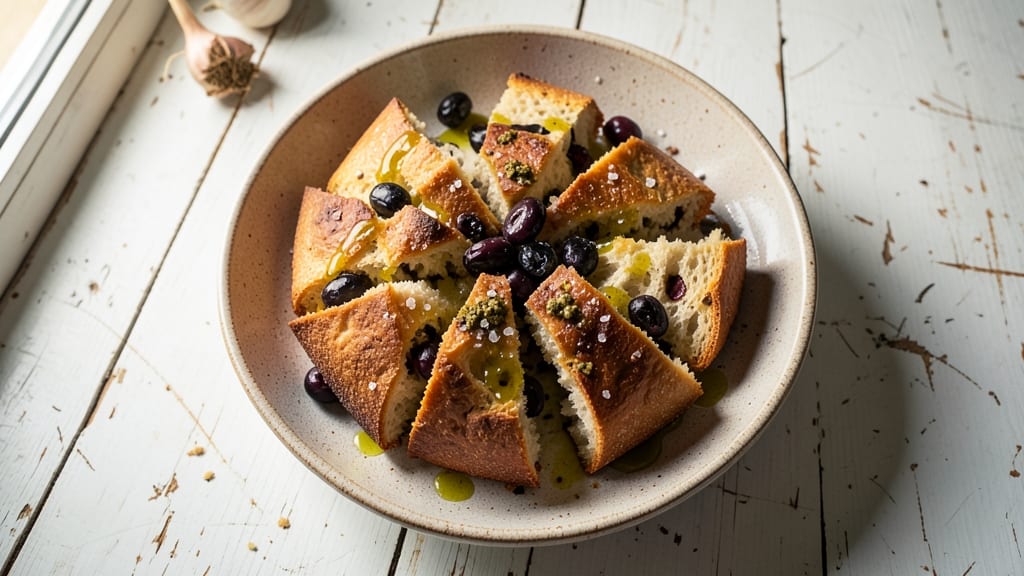
This Acme olive bread recipe transforms simple dough into a rustic masterpiece with briny swirls baked right into the crust. The secret lies in folding chopped olives directly into the dough before shaping, creating pockets of salty intensity that burst with every bite.
I developed this version after years of perfecting the balance between tender crumb and crispy exterior—no fancy techniques required, just patience and a hot oven.
The dough comes together with just five ingredients—flour, water, yeast, salt, and of course, olives—yet delivers restaurant-quality results. The olives soften slightly during baking, infusing the bread with Mediterranean brightness while maintaining their signature briny punch.
For best texture, let the dough rest overnight in the fridge—this slow fermentation creates an open crumb structure that's impossible to achieve with quick rises.
What you'll end up with is a loaf that's crispy on the outside, tender inside, and packed with salty olive surprises in every slice. The crust develops a golden-brown sheen with just the right amount of crackle, while the interior stays moist and slightly chewy.
This bread pairs perfectly with soups, charcuterie boards, or simply buttered and toasted for breakfast.
For extra flavor, consider adding garlic powder to the dough or sprinkling with coarse sea salt before baking. The olives can be swapped for sun-dried tomatoes or herbs if you prefer a different profile—but traditionalists will insist nothing beats the classic olive version. Let's get baking!
Ingredients for acme olive bread
Five simple ingredients plus a few extras for that signature olive crunch.
| Ingredient | Amount | Notes |
|---|---|---|
| All-Purpose Flour 🌾 | 4 cups | Plus 2 tbsp for dusting |
| Active Dry Yeast 🍞 | ¼ tsp | Or 1 packet instant yeast |
| Warm Water 💧 | 1 ¼ cups | 110°F, not hot |
| Kosher Salt 🧂 | 1 ½ tsp | Diamond Crystal preferred |
| Pitted Kalamata Olives 🫒 | 1 cup | Chopped into small pieces |
| Extra-Virgin Olive Oil 🫒 | 2 tbsp | Plus extra for brushing |
| Cornmeal 🌽 | ¼ cup | For dusting baking sheet |
| Coarse Sea Salt 🧂 | 1 tbsp | For sprinkling crust |
| Garlic Powder 🧄 | ½ tsp | Optional for extra flavor |
The olives make or break this bread. Kalamata olives from the Mediterranean market section are ideal—they're meaty and briny, not the tiny, salty kind. Trader Joe's or Whole Foods usually carry them pitted and ready to chop. If you can't find Kalamata, green olives work too, but you might want to soak them first to mellow the salt. The flour? King Arthur or Gold Medal are my go-tos—they hold up better to the olive's moisture. And for the love of bread, don't skip the overnight fridge rest. That's what gives it that professional bakery texture.
No Kalamata olives? Sun-dried tomatoes or fresh herbs like rosemary fold in beautifully—just chop them the same size. The yeast is non-negotiable though; no quick-rise yeast substitutes here. If your kitchen's cold, warm the water to 110°F (like baby bath water) before mixing. The olive oil can be swapped for avocado oil if you're avoiding olive flavor, but trust me, the extra-virgin adds depth. And if you're feeling fancy, add a pinch of garlic powder to the dough—it amplifies the Mediterranean vibe without overpowering.
This dough is a patient one. Wrap it tightly in plastic and let it chill overnight for best results—it's worth the wait. The olives will soften just enough to infuse flavor without getting mushy. For storage, keep the baked loaf wrapped at room temp for 2 days or freeze for up to 3 months. To reheat, wrap in foil and warm at 350°F for 10 minutes. Pro tip: Slice it while warm—that's when the olive pockets are most dramatic. Leftovers? Toast them for breakfast—they're even better the second day.
Why You'll Love This Recipe
- No-Knead, No-Fuss Dough: I swear by this—just mix the flour, yeast, and water, let it sit while you chop olives, then shape. That’s it. No stand mixer, no stress, and the olives fold right in while the dough rests.
- Salty, Savory Magic: Between us, those Kalamata olives pack a punch—briny, rich, and just enough to make every bite feel like a little Mediterranean vacation. The crust gets crispy while the inside stays soft, and honestly? That contrast is chef’s kiss.
- Weeknight Hero: This bread doubles as toast for breakfast, a side for dinner, or even a snack when you’re craving something warm. I’ve sent slices to potlucks, packed it for lunch, and even used it to sop up olive oil drips from my kids’ plates. (Yes, even on a Tuesday night.)
- Budget-Friendly Staple: Flour, yeast, and olives? You’re not breaking the bank here. One batch feeds my family for days—leftovers toast up perfectly, and I’ve even crumbled the dried-out pieces into soups. Plus, the olives stretch a long way, so you’re not buying specialty ingredients.
Step-by-step instructions for Acme olive bread
Here's how to bake this rustic olive bread with a crispy crust and briny swirls—no fancy tools needed.
Activate the Yeast and Mix the Dough
In a large bowl, combine the 1.25 cups warm water (about 110°F) with the 0.25 tsp active dry yeast and let sit for 5-10 minutes until frothy. This step ensures your yeast is alive and ready to work—you'll see tiny bubbles forming on the surface if it's active. If it doesn't bubble, your yeast might be dead, and you'll need to start over.
Add the 4 cups all-purpose flour, 1.5 tsp kosher salt, and 0.5 tsp garlic powder to the bowl. Stir with a wooden spoon until a shaggy dough forms. Then add the 2 tbsp extra-virgin olive oil and mix again. The dough will be sticky, but that's normal—this bread isn't designed to be smooth and elastic like sandwich bread. Once combined, turn it out onto a lightly floured surface and knead just enough to bring everything together, about 2-3 minutes. Over-kneading develops gluten, which can make the bread dense.
Fold in the Olives and Shape the Loaf
Return the dough to the bowl and gently fold in the 1 cup chopped kalamata olives using a silicone spatula. You don't need to distribute them perfectly—they'll spread out during baking. Cover the bowl with a damp towel or plastic wrap and let the dough rise in a warm place for 1-2 hours, or until it has nearly doubled in size. A good test is to press two fingers gently into the dough; if the indentation stays, it's ready.
While the dough rises, preheat your oven to 425°F. Line a baking sheet with parchment paper and sprinkle it evenly with the 0.25 cup cornmeal. This creates a crispy bottom crust and prevents sticking. Once the dough has risen, turn it out onto a lightly floured surface and gently shape it into a rough oval or rectangle, about 1-inch thick. The edges don't need to be neat—this bread has a rustic, artisanal look.
Create the Briny Swirl and Bake
Use your fingers to create a well in the center of the dough, about 2 inches wide. Sprinkle the 1 tbsp coarse sea salt evenly over the surface, then gently press it into the dough. This salt will dissolve slightly during baking, creating pockets of intense flavor. Next, use a spoon or your fingers to drag the dough outward from the center, creating swirls that expose the salt and olives. You don't need to be precise—just aim for an uneven, rustic pattern that lets the olives peek through.
Brush the top of the dough lightly with a little extra olive oil to help it brown. Transfer the shaped loaf to the prepared baking sheet, seam-side up. Bake for 25-30 minutes until the crust is deep golden brown and sounds hollow when tapped on the bottom. If the top browns too quickly, tent it loosely with aluminum foil for the last 10 minutes of baking to prevent over-browning.
Rest and Serve
Remove the bread from the oven and let it cool on the baking sheet for 5 minutes before transferring it to a wire rack. This resting period allows the bread to set and makes it easier to slice. The interior should be soft and slightly moist, with pockets of briny olives and salty crust throughout. If you cut into it too soon, the crumb might fall apart—patience here is key.
Slice the bread into thick wedges and serve warm. The contrast between the crispy crust, the soft interior, and the briny olives makes every bite satisfying. This bread pairs perfectly with soups, salads, or simply with a pat of high-quality butter. Store any leftovers wrapped in a clean kitchen towel at room temperature for up to 2 days, or freeze for up to 1 month for fresh-tasting slices later.
Pro Tips For Making Acme Olive Bread
- TEST YEAST FIRST: I learned this the hard way—skipping the yeast test means wasting time and dough. Mix 1 packet yeast with ¼ cup warm water and 1 tsp sugar. If it doesn’t foam in 5-10 minutes, your yeast is dead. Toss it and grab fresh. Trust me, your olive bread isn’t worth the guesswork.
- CHOP OLIVES FINE: Whole olives? Nope. Roughly chop those Kalamata olives into ¼-inch pieces—small enough to distribute evenly but big enough to taste. I used to leave them whole, and half the loaf felt like a chewy surprise. Even distribution = happy bites.
- KNEAD JUST ENOUGH: Over-kneading makes olive bread tough, but under-kneading leaves it dense. Aim for 8-10 minutes by hand (or 5-6 minutes in a mixer) until the dough springs back when poked. It should feel smooth but still slightly tacky—like a firm pillow, not a rubber band.
- STEAM THE CRUST: Olive bread dries out fast. Before baking, spray the loaf with water and place a baking sheet on the lower rack to create steam. The first 10 minutes will give you a crisp crust while keeping the inside moist. No steam? Brush with olive oil instead—it’s the next best thing.
Flavor customization for this recipe
Olive Variations
Swap the classic kalamata olives for green olives if you prefer a milder, slightly tangy flavor. I recommend Manzanilla olives from Trader Joe's—they're firm and hold their shape beautifully. For a bolder taste, try black olives like Gaeta, which are softer and pack a punch.
Always chop them to the same size so they distribute evenly throughout the dough.
Herb Infusions
Add 1 tbsp fresh rosemary or thyme to the dough for an aromatic twist. I like to finely chop the herbs and mix them in with the olives—this creates pockets of fragrant flavor that complement the briny notes.
For a Mediterranean touch, add ½ tsp dried oregano along with the garlic powder. The herbs should be fresh and vibrant, not wilted or dried out.
Cheese Twist
Fold in ½ cup crumbled feta or pecorino with the olives for a salty, creamy contrast. The cheese melts slightly during baking, creating rich pockets that balance the briny olives.
I recommend using Whole Foods 365 feta for its tangy, crumbly texture. For a stronger flavor, use aged pecorino—just reduce to ¼ cup to avoid overpowering the dough.
Spicy Kick
Add ½ tsp red pepper flakes or 1 tsp chopped fresh chili for heat lovers. I often sprinkle them directly onto the dough before shaping, then fold them in while creating the swirls.
For a smoky depth, add ½ tsp smoked paprika to the dough. The heat pairs perfectly with the olives’ brininess, creating a complex flavor profile that’s hard to resist.
Sweet Contrast
Balance the saltiness with ½ cup dried cranberries or chopped dried apricots mixed into the olives. The sweetness cuts through the briny flavor beautifully, especially when paired with a sharp cheese like feta.
For a more subtle touch, add 1 tsp honey to the dough along with the olive oil—it enhances the crust’s browning while adding a hint of sweetness.
Garlic Boost
Increase the garlic powder to 1 tsp for a more robust flavor, or add 2 minced garlic cloves directly to the dough. I also love sprinkling garlic powder over the shaped loaf before baking—it adds a crispy, aromatic crust.
For extra depth, infuse the olive oil with 2 crushed garlic cloves before mixing it into the dough. Let it sit for 10 minutes to release its flavor before using.
Nutrition facts
Frequently asked questions
Can I use any type of olive for this recipe?
Kalamata olives are ideal for their meaty texture and briny flavor, but you can substitute with green Manzanilla olives (milder) or black Gaeta olives (bolder). Just chop them uniformly so they distribute evenly. Avoid tiny cocktail olives—they'll dissolve too much during baking and lose their texture.
Why does the dough need overnight refrigeration?
The overnight rest in the fridge creates a slow fermentation that develops deeper flavor and a better crumb structure. This bread won't rise as dramatically as sourdough, but the cold rest helps the olives soften just enough to infuse flavor without getting mushy. If short on time, let it rise at room temp for 2-3 hours, but the texture won't be as open.
How do I fix if my dough is too sticky?
This dough is intentionally sticky—it's what creates that tender crumb! If it's unbearable, wet your hands slightly and knead for 1-2 minutes on a floured surface. For shaping, use a light dusting of flour only on your hands, not the dough. The olives add moisture, so resist the urge to add extra flour, which can make the bread dense.
Can I make this bread without a baking sheet?
Yes! Shape the dough into a round or oval and bake it directly on a piece of parchment paper on the oven rack for a free-form loaf. For extra crispiness, place a metal tray filled with boiling water on the lower rack during baking. The steam helps create that signature crust. Just reduce the baking time by 5 minutes since it'll brown faster without the sheet's insulation.
What's the best way to reheat stale olive bread?
Wrap the bread in a damp towel and microwave for 15-20 seconds to revive it, or reheat at 350°F for 10 minutes wrapped in foil. For crispy crust, place it under the broiler for 1-2 minutes after warming. The olives will soften slightly but retain their flavor—this actually makes them more spreadable on toast!