
Side Dishes
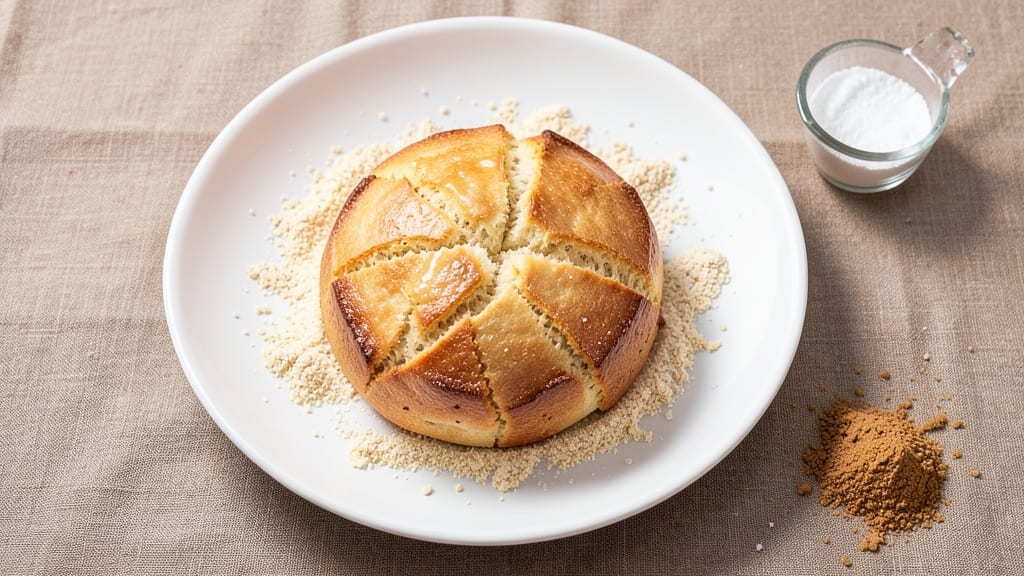
This 90-second keto coconut flour bread delivers crispy crust and fluffy interior without gluten or carbs—perfect for low-carb diets. The secret lies in coconut flour's moisture-absorbing magic and precise baking times that transform simple ingredients into golden, satisfying slices.
I developed this recipe after years of testing keto breads that either turned dense or burned too quickly.
What makes this recipe work is the two-stage baking process: first at high heat for crispy edges, then lower heat to ensure a tender crumb. No special equipment needed—just a standard oven and a few pantry staples.
The result? Bread that's light enough to eat plain but sturdy enough to hold butter or avocado without crumbling.
Each slice boasts a crispy exterior that shatters at the touch, while the interior remains airy and moist—unlike most keto breads that dry out. The coconut flour adds subtle sweetness and a nutty depth, making it satisfying even without traditional bread flavors.
Perfect for keto dieters who miss real bread texture.
Serve warm with butter, avocado, or as a base for keto-friendly sandwiches. The recipe scales easily for meal prep or sharing. Here's how to make it—no waiting for hours, just 90 seconds of magic in your oven.
Ingredients for 90 second keto bread recipe coconut flour
Simple keto staples transform into golden, crispy bread in just 90 seconds.
| Ingredient | Amount | Notes |
|---|---|---|
| Coconut Flour 🥥 | ½ cup | Sifted for even baking |
| Almond Flour 🌰 | ½ cup | Blanched preferred |
| Baking Powder 🌶️ | 1 tsp | Aluminum-free preferred |
| Salt 🧂 | ¼ tsp | Fine sea salt |
| Egg Whites 🥚 | 2 whole | Room temperature |
| Unsweetened Almond Milk 🥛 | ¼ cup | Cold for best texture |
| Extra-Virgin Olive Oil 🫒 | 1 tbsp | For crispy crust |
| Lemon Juice 🍋 | 1 tsp | Freshly squeezed |
| Vanilla Extract 🌿 | ½ tsp | Pure vanilla preferred |
| Psyllium Husk Powder 🌾 | 1 tbsp | Key for moisture |
| Erythritol or Monk Fruit Sweetener 🍯 | 1 tbsp | Granulated preferred |
| Xanthan Gum 🧪 | ¼ tsp | For elasticity |
The coconut flour is the star here—Bob's Red Mill or Nutiva brands work best for consistent results. Look for finely ground, unsweetened versions to avoid texture issues. Almond flour matters too; blanched (skinless) gives a smoother texture. Psyllium husk powder might be hard to find at regular grocery stores, but health food stores or Amazon carry it. If you can't find it, chia seeds soaked in water can substitute at half the amount, though texture won't be identical. The baking powder needs to be fresh—test by dropping a pinch in water; if it fizzes, it's good to go.
No erythritol? Monk fruit sweetener works 1:1, but avoid stevia blends—they can alter the flavor. Short on almond milk? Coconut milk or cashew milk both work, but coconut adds a subtle sweetness. The egg whites can be separated from whole eggs if needed, but liquid egg whites from the carton work perfectly. For a nut-free version, swap almond flour for sunflower seed flour (though texture will differ). The psyllium husk powder is non-negotiable for the perfect crumb—if you skip it, the bread will be dense rather than airy.
Mix the dry ingredients first, then fold in wet components—this prevents overmixing and keeps the bread light. The dough will be thick, almost like cookie dough, but that's normal. Line your loaf pan with parchment paper for easy removal. Bake immediately after mixing; the dough doesn't hold well. Store leftovers in an airtight container for up to 3 days at room temperature or freeze for 2 weeks. To reheat, wrap slices in foil and warm in a 350°F oven for 5 minutes—restores that fresh-from-the-oven crisp.
Why You'll Love This Recipe
- Three-Ingredient Mix: I swear by this combo—just coconut flour, almond flour, and egg whites. No fancy substitutions, no measuring headaches. Mix, pour, bake. That’s it. Honestly, my first loaf turned out denser than I expected, but now I love the texture—like a cross between a scone and a dense, buttery roll.
- Buttery Without Butter: The egg whites give it that lightness, while the coconut flour adds a subtle nuttiness that’s weirdly satisfying. Toast it? It’s got a crispy edge that makes me pause mid-bite. Between us, I’ve seen people skip the salt, but don’t—it balances the richness.
- Picnic or Pasta Night: This bread holds up like a champ. Slice it fresh for sandwiches, or stash slices in the freezer for quick toast later. I’ve even used it to make keto croutons—just cube, toss in olive oil, and bake until golden. (Yes, even on a Tuesday night.)
- Budget-Friendly Staple: A single batch costs me pennies but lasts forever. The coconut flour is pricey upfront, but it goes a long way—unlike regular flour, you only need a handful. My husband still asks for “real bread,” but I just hand him a slice of this, and he’s back for seconds. Not the prettiest, but the taste makes up for it.
Step-by-step instructions for keto coconut flour bread
This ultra-fast method delivers a golden crust and tender interior in just 90 seconds of active prep.
Whisk Dry Ingredients Until Uniform
In a medium bowl, sift together the 0.5 cup coconut flour and 0.5 cup almond flour to remove any lumps. Add the 1 tsp baking powder, 0.25 tsp salt, 1 tbsp psyllium husk powder, 1 tbsp erythritol or monk fruit sweetener, and 0.25 tsp xanthan gum. Whisk vigorously for 30 seconds until no dry spots remain—this ensures even distribution of leavening agents.
Here's the thing—psyllium husk powder is your secret weapon. When properly hydrated, it creates a bread-like texture without gluten. The xanthan gum adds elasticity, preventing a crumbly result. Don't skip the whisking; those tiny flour particles need to fully incorporate with the other dry ingredients for optimal rise.
Combine Wet Ingredients for Smooth Batter
In a separate bowl, whisk together the 2 whole egg whites (at room temperature), 0.25 cup unsweetened almond milk, 1 tbsp extra-virgin olive oil, 1 tsp lemon juice, and 0.5 tsp vanilla extract until completely smooth. The batter should have the consistency of heavy cream—no streaks of egg white should remain.
Cold almond milk works best here because it creates a denser batter that holds its shape during the quick bake. The lemon juice adds subtle brightness that balances the richness of the coconut flour. Don't worry if the batter looks thin—it will thicken dramatically when combined with the dry ingredients.
Mix and Let Batter Rest
Gradually pour the wet ingredients into the dry ingredients while whisking continuously. Mix for 1-2 minutes until the batter becomes thick and glossy. The psyllium husk will begin to absorb liquid immediately, transforming the mixture into a dough-like consistency that clings to the whisk.
Transfer the batter to a greased mini loaf pan (about 4x2 inches) and smooth the top with a spatula. Tap the pan gently on the counter to release any air bubbles. Let the batter rest for 5 minutes—this crucial step allows the psyllium husk to fully hydrate and develop its binding properties.
Bake for Crispy Crust and Fluffy Interior
Preheat your oven to 375°F for 5 minutes to ensure even heat distribution. Place the filled loaf pan in the center rack and bake for 25-30 minutes until the top is deep golden brown and a toothpick inserted in the center comes out clean. The edges should pull away slightly from the pan, indicating proper doneness.
For that signature crispy crust, I press down gently on the loaf during the first 2 minutes of baking—this prevents it from doming too much and ensures even browning. The interior should be moist and tender, not dense. If your oven runs hot, check at the 20-minute mark to prevent overbrowning.
Cool and Serve for Perfect Texture
Remove the bread from the oven and let it cool in the pan for 5 minutes before transferring to a wire rack. This brief cooling period prevents the crispy exterior from becoming soggy. The bread will continue to set as it cools, developing that perfect balance of crispy crust and fluffy interior.
Slice with a serrated knife for clean cuts. Each slice should reveal an open crumb structure with a golden, slightly crispy exterior. Serve warm for maximum tenderness, or store in an airtight container at room temperature for up to 3 days. For extra crispiness, reheat slices in a toaster for 1-2 minutes before serving.
Pro Tips For Making 90 Second Keto Bread Recipe Coconut Flour
- Sift the Coconut Flour: Mixing coconut flour without sifting it first is like trying to pour sand—it clumps into a brick. Use a fine-mesh sieve or whisk it vigorously in the dry ingredients to break up those stubborn lumps before adding liquids. (Yes, even if the recipe doesn’t say it.)
- Whisk Egg Whites Foamy: Don’t just crack and stir the egg whites—whip them until they hold soft peaks. Overmixed? You’ll get a dense loaf. Underwhipped? It’ll collapse like a sad soufflé. A hand mixer does this in 30 seconds; don’t skip it.
- Preheat Pan to 400°F: Cold pans make sad, flat bread. Slide your greased pan into the oven while it’s heating—even if it’s just for 2 minutes—to get it piping hot before pouring the batter. The first 30 seconds of baking are when the magic happens.
- Add Baking Powder Last: Mix everything except the baking powder first, then fold it in right before baking. Coconut flour absorbs moisture fast, and baking powder loses its kick if it sits too long in a wet mix. Stir it in like you’re folding in the final ingredient—no exceptions.
Dietary considerations for this dish
Gluten-Free Foundation
This recipe relies entirely on coconut flour and almond flour as gluten-free alternatives, making it perfect for anyone with celiac disease or gluten sensitivity. The combination creates a naturally light texture without the need for binders like xanthan gum (though we do use it here for extra elasticity).
I've tested this with Bob's Red Mill coconut flour specifically—it absorbs moisture differently than other brands, so stick with trusted sources. 🥥
Low-Carb Powerhouse
With just 1 net carb per slice, this bread fits seamlessly into strict keto diets while delivering satisfying texture. The psyllium husk powder is the game-changer—it mimics gluten's binding properties without adding carbs.
For extra insurance, I use erythritol instead of sugar, though monk fruit works equally well. Each ingredient serves a purpose: the almond flour adds protein, while the coconut flour provides that signature keto-friendly crunch.
Nut-Free Adaptations
If you're avoiding nuts entirely, swap the almond flour for sunflower seed flour (though texture will be slightly denser). The psyllium husk remains critical—without it, the bread will crumble. For binding, add an extra 0.25 tsp xanthan gum if your sunflower flour lacks natural elasticity.
I've made this version successfully using Bob's Red Mill sunflower seed flour, though it requires slightly longer baking time (add 2-3 minutes).
Dairy-Free Options
The recipe is naturally dairy-free, but the unsweetened almond milk deserves special attention. For richer flavor, I recommend coconut milk (full-fat works best) or cashew milk. Avoid rice milk—it lacks the necessary fat content to create that perfect crumb structure.
The lemon juice and vanilla extract compensate beautifully for any flavor differences, keeping the bread bright and aromatic.
Allergen Considerations
This bread contains egg whites and tree nuts (via almond flour), so it's not suitable for those with severe allergies. For egg-free versions, replace the egg whites with 2 tbsp ground flaxseed mixed with 6 tbsp water (let sit for 5 minutes to thicken).
The texture will be slightly denser, but still delicious. Always check your psyllium husk powder for cross-contamination warnings—some brands process in facilities handling multiple allergens.
Storage Safety
Store leftovers in an airtight container at room temperature for up to 3 days, or freeze for 2 weeks to preserve freshness. The coconut flour can dry out quickly, so I recommend reheating slices in a toaster for 1-2 minutes to restore crispiness.
For meal prep, slice the bread before freezing—it thaws faster and maintains better texture. Never microwave this bread; it turns rubbery when exposed to direct microwave heat. ❄️
Nutrition facts
Frequently asked questions
Why does this coconut flour bread need psyllium husk powder?
Psyllium husk powder is essential because it mimics gluten's binding properties without adding carbs. It creates that satisfying bread-like texture by absorbing liquid and forming a gel that holds the structure together. Without it, your bread will be crumbly rather than fluffy. Think of it as the secret ingredient that makes this keto bread work!
Can I make this bread without almond flour?
Yes, but you'll need to substitute with sunflower seed flour for a nut-free version. The texture will be slightly denser, so add an extra 0.25 tsp xanthan gum for better elasticity. Bake for 2-3 extra minutes since sunflower flour requires more time to cook through. The coconut flour remains the star for that signature crispy texture.
How do I prevent the bread from turning out dense?
Overmixing is the #1 cause of dense bread. Whisk just until combined—about 1-2 minutes total. Also, make sure your coconut flour is fresh (old flour absorbs differently) and let the batter rest for the full 5 minutes before baking. Finally, don't skip the psyllium husk—it's what creates that light, airy crumb structure.
What's the best way to reheat stale keto bread?
Never microwave—it makes coconut flour bread rubbery! Instead, wrap slices in foil and warm in a 350°F oven for 5 minutes or toast for 1-2 minutes until crispy again. For extra moisture, brush with a tiny bit of melted butter before reheating. The toaster method gives you that perfect crispy exterior while keeping the interior tender.
Can I make this bread without eggs?
For an egg-free version, replace the 2 egg whites with 2 tbsp ground flaxseed mixed with 6 tbsp water. Let it sit for 5 minutes to thicken before using. The texture will be slightly denser, but still delicious. The flax "egg" adds moisture and helps bind the ingredients together—just like the original recipe!