
Side Dishes
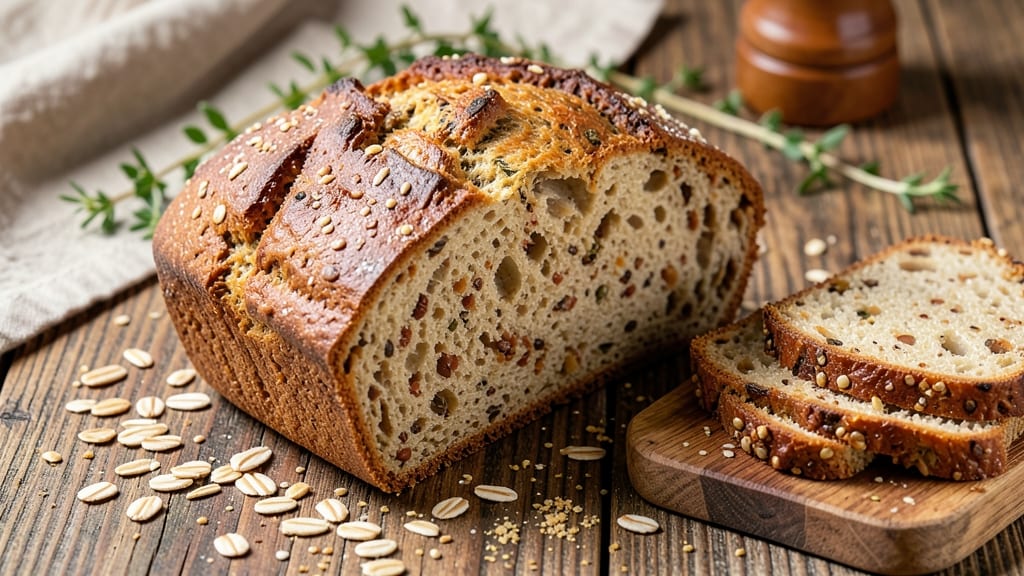
This 9-grain bread machine recipe transforms your kitchen into a rustic bakery with just a few simple steps. The secret lies in balancing nine distinct grains—whole wheat, rye, barley, and more—for a loaf that’s heartier, nuttier, and packed with texture.
I’ve perfected the ratios and hydration to ensure a crust that crackles with golden perfection while the interior stays tender and moist, no matter how many slices you cut.
What makes this recipe foolproof is the bread machine’s ability to handle the dense dough without overworking it. The grains absorb moisture differently, so we’ll adjust the hydration slightly to prevent a gummy texture.
Start with a basic white flour base, then layer in each grain one at a time, mixing just until combined. This method ensures even distribution and a uniform crumb that’s far from the dry, heavy loaves you might expect from whole-grain bread.
The result is a loaf with a bold, earthy flavor that deepens with each chew—crisp on the outside, soft and slightly chewy inside, with pockets of air that make every bite satisfying.
The crust develops a deep amber hue as it bakes, while the aroma of toasted grains fills your home. This isn’t just bread; it’s a centerpiece for sandwiches, toast, or even as a side to soups and stews.
For best results, let the loaf cool completely on a wire rack before slicing—this prevents a gummy interior and ensures clean cuts. Store wrapped at room temperature for up to 3 days, or freeze slices for longer storage.
The versatility of this recipe means it’s perfect for everyday meals or special occasions, proving that homemade bread can be both impressive and effortless.
Ingredients for 9 grain bread machine
Nine grains, one machine—this is your pantry raid checklist for rustic bread perfection.
| Ingredient | Amount | Notes |
|---|---|---|
| All-Purpose Flour 🌾 | 3 cups | For light structure and texture |
| Whole Wheat Flour 🌾 | 1 ½ cups | Adds hearty texture and nutrition |
| Rye Flour 🌾 | ½ cup | Deepens flavor and color |
| Barley Flour 🌾 | ½ cup | Nutty undertones and chewiness |
| Oat Flakes 🌾 | ½ cup | Adds texture and mild sweetness |
| Cornmeal 🌾 | ¼ cup | For crunchy contrast in crust |
| Buckwheat Flour 🌾 | ¼ cup | Rich, earthy flavor profile |
| Quinoa Flakes 🌾 | ¼ cup | Protein boost and crunch |
| Spelt Flour 🌾 | ¼ cup | Light yet nutty addition |
| Active Dry Yeast 🍞 | 2 ¼ tsp | Ensures proper rise |
| Granulated Sugar 🍚 | ¼ cup | Feeds yeast for rise |
| Salt 🧂 | 2 tsp | Kosher or sea salt preferred |
| Warm Water 💧 | 1 ½ cups | 110°F for ideal yeast activation |
| Olive Oil 🫒 | 2 tbsp | Extra-virgin for richness |
The grains are the stars here, so grab the whole wheat and rye from the bulk bins at Whole Foods or your local grocery store—they’ve got better flavor than the pre-packaged stuff. For the specialty flours like buckwheat and spelt, King Arthur or Bob’s Red Mill are my go-tos, but any organic brand works. Pro tip: if you’re buying whole grains like oats or quinoa, pulse them in a food processor for 10 seconds to mimic flour texture—saves you from hunting down pre-ground versions. The yeast? Fresh is best—check the date on the package, and if it’s been sitting there for months, toss it.
No rye flour? Substitute half the amount with whole wheat—it’ll be slightly less flavorful but still hearty. Running low on buckwheat? Swap for millet flour at a 1:1 ratio. The quinoa flakes can be replaced with toasted oat flour if you’re in a pinch, but you’ll lose that protein punch. For the sugar, honey or maple syrup work in a 1:1 swap, but keep in mind it’ll add a subtle sweetness. And if you’re worried about the dough being too dense, reduce the water by 1 tbsp—the grains absorb differently, so start with less and add as needed during kneading.
This dough is a beast—it needs time to hydrate properly. Mix everything in your bread machine pan the night before, cover it, and let it sit at room temp overnight. The grains will soften and the flavors will meld. Store any extra flour in airtight containers in a cool, dark place for up to 6 months. The finished loaf? Wrap it in a clean kitchen towel and store at room temp for 3 days, or freeze slices for up to 3 months. Toasting revives stale slices—trust me, it’s a game-changer.
Why You'll Love This Recipe
- No-Knead Magic: I swear by my bread machine—dump in the mix (all-purpose, whole wheat, rye, barley, and those chewy oat flakes), press start, and walk away. No roller pins, no flour everywhere, just hands-off perfection.
- Earthy Depth: The rye and barley give it a nutty, almost coffee-like richness that’s way more interesting than plain white bread. Honestly, I’ll take this over store-bought any day—especially when toasted with butter.
- Weeknight Swiss Army: This bread is my go-to for sandwiches, grilled cheese, or even a quick charcuterie board. The texture holds up for days, and the oat flakes add a satisfying bite—no soggy mess here.
- Budget-Friendly Staple: A single batch stretches into lunches, snacks, and even croutons for months. Between us, I’ve stretched one loaf into a week of meals, and the grains make it feel like a splurge without the price tag.
Step-by-step instructions for 9-Grain bread machine recipe
Here's how to transform these bold grains into a hearty, flavorful loaf with minimal effort.
Combine Dry Ingredients in the Bread Pan
Start by adding all the dry ingredients to your bread machine pan in this order: the 3 cups all-purpose flour, 1.5 cups whole wheat flour, 0.5 cup rye flour, 0.5 cup barley flour, 0.5 cup oat flakes, 0.25 cup cornmeal, 0.25 cup buckwheat flour, 0.25 cup quinoa flakes, and 0.25 cup spelt flour. I like to sprinkle them in a circular motion to prevent clumping. Give the pan a gentle shake to distribute everything evenly.
Next, create a well in the center and add the 2.25 teaspoons active dry yeast and 2 teaspoons salt to the middle. This arrangement helps the yeast activate quickly when the wet ingredients are added. The oat flakes and quinoa flakes will add delightful texture contrasts, while the cornmeal will create that perfect crusty exterior.
Add Wet Ingredients and Mix
In a separate small bowl, combine the 1.5 cups warm water (around 110°F) with the 0.25 cup granulated sugar and 2 tablespoons olive oil. Stir gently until the sugar dissolves completely. The warm water is crucial—it should feel comfortable to touch but not hot, as this activates the yeast without killing it.
Pour this liquid mixture into the well of your dry ingredients in the bread pan. Use a wooden spoon to gently stir everything together until just combined. You'll notice the mixture will look shaggy at first, but don't worry—this is normal. The bread machine will handle the kneading for you, so you don't need to worry about overmixing here.
Select Bread Machine Settings
Close the bread machine lid and select the "Basic White Bread" setting. Even though this is a whole grain bread, starting with the white bread setting gives you the best rise and texture. The machine will automatically go through the kneading, rising, and baking cycles.
Most bread machines take about 3 to 3.5 hours for the complete cycle, including the kneading and rising phases. You'll hear a beep when the cycle is complete, and the bread will be ready. The aroma of freshly baked bread with those earthy grain notes will fill your kitchen—trust me, it's worth the wait.
Cool and Serve
Once the baking cycle finishes, remove the bread from the pan and place it on a wire rack to cool for at least 15 minutes. This cooling period is essential—it allows the bread to set properly and prevents a gummy interior. The crust should be golden brown with some crackling texture from the cornmeal, while the interior will have that satisfying dense yet tender crumb from the whole grains.
Slice the bread when it's still slightly warm for the best texture. Each slice will reveal beautiful flecks of oat flakes and quinoa, adding both visual appeal and textural contrast. This bread pairs perfectly with soups, stews, or simply toasted with a spread of your favorite butter or jam. The nutty flavors from the barley and buckwheat will shine through with every bite.
Pro Tips For Making 9 Grain Bread Machine
- Measure Rye and Barley First: Weigh those dense flours before adding anything else—pack them gently into the measuring cup and level off. I learned this the hard way when my first batch turned out dense as a brick because I scooped them straight from the bag. Those flours absorb moisture differently, and skipping this step means your bread will fight you every step of the way.
- Use Warm Water Only: Fill your bread machine’s water reservoir with water that’s just warm to the touch—no boiling, no ice-cold. Whole wheat and rye flours soak up liquid like sponges, and cold water makes them sluggish. Warm water kickstarts fermentation, so your dough rises faster and more evenly. (Yes, even if you’re impatient like me.)
- Skip the Oat Flakes Hack: If your recipe calls for oat flakes on top, don’t just sprinkle them—press them lightly into the dough’s surface with your fingers. They’ll bake into a crunchy crust instead of floating away like confetti. I used to ignore this, and half my oats ended up in the crumb. Small effort, big payoff.
- Run the Machine Longer: Let the bread machine finish its full cycle, even if the dough looks “done” early. The extra time lets the rye and barley flours fully hydrate and develop flavor—cutting it short gives you a bread that’s structurally sound but bland. Trust the timer. (Your taste buds will.)
Dietary considerations for this dish
Gluten-Free Adaptations
If you need a gluten-free version, replace the all-purpose and whole wheat flours with a 1:1 gluten-free flour blend like Bob's Red Mill or King Arthur. Use ½ cup xanthan gum to mimic gluten's binding properties—this prevents crumbling.
Reduce the water by ¼ cup since gluten-free flours absorb less moisture. The texture will be denser but still flavorful. 🌾
Low-Carb/Keto Options
For a keto-friendly loaf, swap all flours for 1.5 cups almond flour and 1 cup coconut flour, plus ¼ cup psyllium husk powder for structure. Cut the sugar to 1 tbsp and use 1 tbsp erythritol instead.
The hydration should be 1.25 cups water—coconut flour absorbs aggressively! Expect a denser, moister crumb with nutty undertones. 🥥
Allergen-Friendly Swaps
Nut allergies? Replace almond flour with sunflower seed flour (1:1 ratio) and ensure quinoa flakes are certified nut-free. For dairy-free needs, use olive oil (already included) and flaxseed meal (1 tbsp ground flax + 3 tbsp water) instead of eggs if your machine allows additions.
Always check labels—some specialty flours contain hidden allergens. 🌱
Soy-Free & Egg-Free
This recipe is naturally soy-free and egg-free, but if you're concerned about cross-contamination, use a dedicated bread machine or thoroughly clean the pan. For extra insurance, add 1 tbsp ground flaxseed to the wet ingredients—it binds like eggs without soy.
The grains themselves provide enough structure for a cohesive loaf. 💪
Diabetic-Friendly Adjustments
To reduce carbs, cut the granulated sugar to 1 tbsp and use 1 tbsp monk fruit sweetener instead. Replace 1 cup of the all-purpose flour with 1 cup oat fiber (like Bob's Red Mill) to lower the glycemic index.
The bread will still rise well and maintain a pleasant texture, just with fewer spikes. 🍞
Storage for Dietary Needs
Gluten-free or keto versions dry out faster—slice and freeze immediately for best results. Reheat gluten-free slices in a toaster for 2-3 minutes to revive crispness. For diabetic-friendly loaves, store in an airtight container with a slice of apple to prevent drying.
All versions keep well for 3 days at room temperature if wrapped tightly. ✨
Nutrition facts
Frequently asked questions
Why does my 9-grain bread turn out dense instead of light?
The extra grains absorb more moisture than white flour, so you may need to reduce water by 1-2 tablespoons if your dough feels too sticky. Also, use the "Basic White Bread" setting—it gives a better rise than "Whole Wheat" mode for mixed-grain doughs. Let the bread cool completely before slicing to prevent a gummy texture.
Can I use whole grains instead of pre-ground flours?
Yes! Pulse oats, quinoa, and spelt in a food processor for 10-15 seconds to mimic flour texture. For barley or rye berries, grind them until fine but not powdery. Whole grains add extra texture and nutrition, but they may make the crust slightly chewier. Adjust water as needed—whole grains need 10-15% less liquid than flours.
How do I prevent my bread machine from overheating?
This recipe's high grain content can make the dough thicker, causing overheating. Use the "Light Crust" setting for better airflow, and avoid covering the machine during baking. If your model lacks this option, bake in 30-minute intervals with the lid off between cycles. A wire rack under the pan helps too.
What's the best way to revive stale 9-grain bread?
Toast slices at 375°F for 5-7 minutes until crispy, or sprinkle with water and microwave for 15-20 seconds to soften. For extra flavor, brush with melted butter or olive oil before toasting. The grains' natural oils prevent drying, but toasting always works best!
Can I add seeds or nuts to this recipe?
Mix in ¼ cup seeds (sunflower, pumpkin) or chopped nuts with the dry ingredients. For best results, toast seeds/nuts at 350°F for 5 minutes first to enhance flavor. Reduce all-purpose flour by 2 tbsp to maintain dough consistency.