
Side Dishes
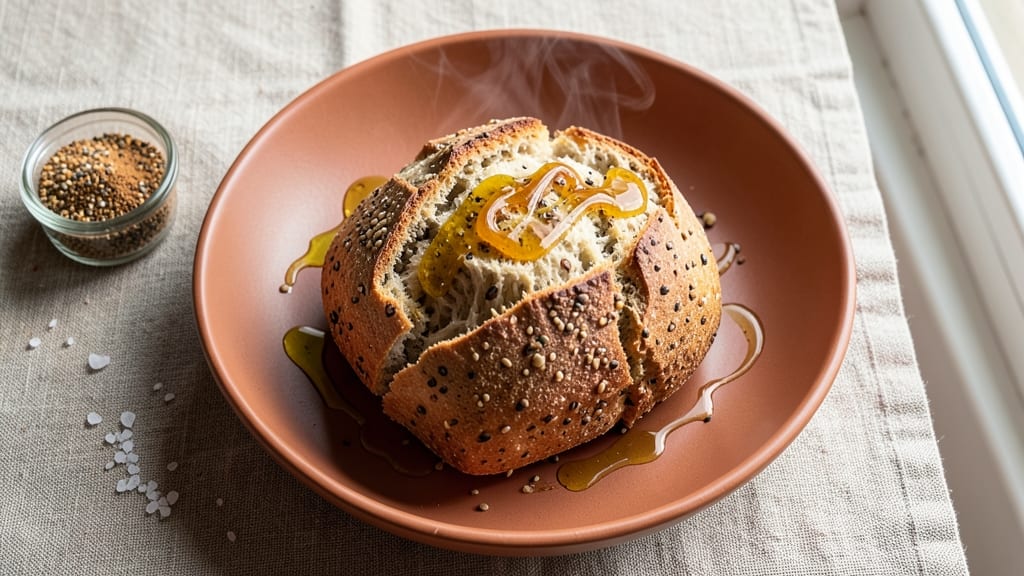
This 7-grain flour bread recipe delivers the perfect balance of a nutty crust and light, airy crumb—no fancy equipment required. The secret lies in combining whole grains for depth with precise kneading and proofing techniques that create that signature texture.
I’ve baked this bread for years, and it never fails to impress, whether sliced for sandwiches or enjoyed fresh from the oven.
The process is straightforward but requires patience: mix the dough with warm water and a touch of honey, knead until smooth, then let it rise twice for maximum flavor and structure.
Baking at 375°F for 30-35 minutes ensures a golden-brown crust with a crisp exterior and soft interior. The grains add a subtle earthiness that pairs beautifully with soups, salads, or butter.
What sets this bread apart is its versatility—use it as a base for gourmet sandwiches, toast it for breakfast, or serve it warm with olive oil and herbs. The recipe yields a loaf that stays fresh for days, making it ideal for meal prep.
With just 7 simple ingredients, you’ll achieve a loaf that tastes like it came from an artisanal bakery.
For extra flavor, consider adding sunflower or sesame seeds to the dough before baking. Store leftovers wrapped in a clean towel to maintain freshness. Let’s get started on your homemade 7-grain masterpiece—your kitchen will smell amazing in no time.
Ingredients for 7 grain flour bread
Seven simple ingredients transform into artisanal bread with a nutty crust and airy crumb.
| Ingredient | Amount | Notes |
|---|---|---|
| 7-Grain Flour Blend 🌾 | 4 cups | Store-bought or homemade mix |
| Active Dry Yeast 🍞 | 2 ¼ tsp | Or 1 packet (7g) |
| Warm Water 💧 | 1 ¼ cups | 110°F for yeast activation |
| Extra-Virgin Olive Oil 🫒 | 2 tbsp | High quality, fruity |
| Honey 🍯 | 1 tbsp | For subtle sweetness |
| Diamond Crystal Kosher Salt 🧂 | 1 ½ tsp | Fine grain preferred |
| All-Purpose Flour 🌾 | ½ cup | For dough structure |
| Sunflower Seeds (optional) 🌻 | ¼ cup | For extra crunch |
| Sesame Seeds (optional) 🌿 | ¼ cup | For nutty flavor |
The 7-grain flour blend is the heart of this recipe—look for a mix that includes whole wheat, rye, and barley for that signature earthy depth. Bob's Red Mill or King Arthur blends work perfectly, but any quality organic mix will do. If you're feeling ambitious, you can make your own by combining equal parts whole wheat, rye, barley, and buckwheat flours. The yeast needs to be fresh; if it smells stale or doesn't dissolve in warm water, toss it. For the water, 110°F is ideal—too hot kills the yeast, too cold slows activation. I always use a thermometer for this step, but if you don't have one, just make sure it feels warm to the touch, like bathwater.
No sunflower seeds? Pumpkin seeds or flaxseeds work just as well for texture. Short on honey? Maple syrup or agave nectar are perfect substitutes—just use the same amount. The olive oil matters here; avoid the cheap stuff. A good extra-virgin oil adds richness to the dough. For the salt, Diamond Crystal kosher dissolves best, but any fine sea salt works. If you're making this ahead, you can prep the dough up to 12 hours before baking—just cover it tightly and let it rise at room temperature overnight. The optional seeds can be swapped for poppy seeds or sesame seeds if you prefer a different flavor profile.
This bread stays fresh for 3-4 days when wrapped in a clean kitchen towel. For longer storage, freeze the loaf for up to 3 months. To reheat, wrap in foil and warm in a 350°F oven for 10 minutes. The crust gets crispier as it cools, so slice it fresh from the oven for the best texture. I always make a double batch—one for sandwiches, one for toast. The dough can be shaped into two smaller loaves if you prefer a quicker bake time, but a single large loaf develops more flavor during the long rise.
Why You'll Love This Recipe
- No-Knead Magic: Honestly, the dough comes together in five minutes—just mix, let it rise, and pop it in the oven. That honey and olive oil combo makes it so forgiving, even if you’re not a bread-baking pro.
- Nutty, Sweet Crunch: Between us, the 7-grain blend gives this bread a textural punch—toasted edges from the olive oil, a whisper of sweetness from the honey, and that deep, earthy nuttiness that makes every slice feel like a little reward.
- Weeknight & Weekend Hero: I swear by this for sandwiches (hello, PB&J upgrade) and as a side for roasts—it soaks up flavors like a dream. Plus, it’s the kind of bread that makes even a simple dinner feel intentional.
- Budget-Friendly Staple: A single loaf lasts me almost a week—perfect for toast, charcuterie, or feeding hungry teens without breaking the bank. The grains add substance, so you’re not just throwing flour at a recipe.
Step-by-step instructions for 7-Grain flour bread
Here's how to create a rustic bread with a nutty crust and airy interior using your 7-grain flour blend.
Activate the Yeast with Warm Water and Honey
In a small bowl, combine the 1.25 cups warm water (about 110°F) with the 1 tablespoon honey and stir until the honey dissolves completely. Sprinkle the 2.25 teaspoons active dry yeast over the surface and let it sit for 5-10 minutes until it becomes frothy. You'll see small bubbles forming and the mixture will expand noticeably—this confirms your yeast is alive and ready to work.
If the yeast doesn't activate within 10 minutes, it's likely dead, and you'll need to start over with fresh yeast. The honey not only feeds the yeast but also adds subtle sweetness that complements the nutty flavors of the 7-grain flour. Don't skip this step—proper yeast activation is the foundation of a good rise.
Mix the Dough with Olive Oil and Flour
In a large mixing bowl, combine the 4 cups 7-grain flour blend with the 0.5 cup all-purpose flour and the 1.5 teaspoons kosher salt. Make a well in the center and pour in the yeast mixture along with the 2 tablespoons extra-virgin olive oil. Using a wooden spoon or dough whisk, stir the ingredients until they begin to come together—you'll see wet spots disappearing and the dough starting to form.
Once the dough becomes too stiff to stir, switch to your hands and knead for about 5 minutes until the dough is smooth and elastic. If it feels too sticky, add small amounts of the 7-grain flour blend (about 1 tablespoon at a time) until it reaches a soft but manageable consistency. The olive oil helps create a tender crumb, while the all-purpose flour adds structure to balance the heavier 7-grain blend.
Bulk Ferment for Optimal Flavor Development
Lightly oil a large bowl and place the dough inside. Cover with a clean kitchen towel or plastic wrap and let it rise in a warm place for 1-2 hours, or until it has nearly doubled in size. The dough should feel springy when you press it gently with your finger—it should leave a slight indentation but not collapse completely. This bulk fermentation step develops the bread's flavor and structure.
I like to place the bowl on top of my oven with the light on (this creates a warm, moist environment) or near a sunny window. Avoid placing it directly in the oven—you want gentle warmth, not heat that could overproof the dough. If you're using the optional seeds, sprinkle them evenly over the dough now and gently press them into the surface so they'll bake in.
Shape and Final Proof for Perfect Rise
Turn the dough out onto a lightly floured surface and gently shape it into a round loaf, about 8 inches in diameter. For extra rustic appeal, you can shape it into a batard or freeform shape—just make sure the surface is even and smooth. Place the shaped dough on a parchment-lined baking sheet and cover it loosely with plastic wrap or a damp towel.
Let the dough proof for another 30-45 minutes until it has risen about 50% more in size. You'll know it's ready when the dough feels firm to the touch and springs back slowly when poked. The seeds, if using, should be slightly embedded but still visible. Preheat your oven to 375°F during this final proofing stage so it's ready when your bread is.
Bake for a Nutty Crust and Light Crumb
Once the oven reaches 375°F, carefully transfer the baking sheet to the middle rack. Bake for 35-40 minutes until the bread develops a deep golden-brown crust with some dark spots. Tap the bottom of the loaf—it should sound hollow when done. The internal temperature should reach 190-200°F at the center.
For extra crispiness, you can brush the top with a little more olive oil after 20 minutes of baking. The 7-grain flour blend will give your bread a distinctive nutty flavor and texture, while the seeds add delightful crunch. Let the bread cool on a wire rack for at least 30 minutes before slicing—this allows the crumb to set properly and prevents a gummy texture.
Pro Tips For Making 7 Grain Flour Bread
- Measure Honey Precisely: That extra-virgin olive oil and honey combo is where flavor shines—but if you eyeball the honey, you’re asking for a sticky, uneven dough. Use a kitchen scale for 20-30 grams (or a tablespoon measure) and stir it into the warm water before adding yeast. Cold honey kills yeast faster than you’d expect, and you’ll notice the difference in rise time.
- Bloom Yeast in Olive Oil: Skip dissolving yeast in water first—mix it directly with the warm water and 1 teaspoon of olive oil. The oil coats the yeast, making it more resilient to the 7-grain blend’s dryness and giving the dough a richer rise. I learned this after my first batch took three hours to proof.
- Knead Until Silky: This isn’t your standard bread dough—7-grain flour is stubborn. Knead by hand for 10-12 minutes until the dough pulls away cleanly and feels smooth, not gritty. The grains need to break down enough to develop gluten, or your loaf will crumble like a sad muffin. (Yes, even if your arms protest.)
- Steam the First 15 Minutes: The crust on 7-grain bread burns faster than it rises. Place a metal bowl of boiling water on the oven rack before baking, then cover the dough with a damp towel. That initial steam locks in moisture and gives you a crispy crust without charring. I used to skip this and ended up with a brick. Don’t be me.
Best sauces and condiments for this recipe
Herb Butter Spread
Warm slices of this 7-grain bread with herb-infused butter—mix ½ cup softened unsalted butter with 1 tbsp chopped fresh rosemary, 1 tbsp chopped thyme, 1 minced garlic clove, and ½ tsp flaky sea salt.
Spread generously on toasted bread and top with sliced heirloom tomatoes for a rustic Italian-inspired bruschetta. The nutty grains balance the herby richness perfectly. 🌿
Olive Oil & Balsamic Drizzle
Drizzle freshly baked slices with high-quality extra-virgin olive oil (like Colavita) and a splash of aged balsamic glaze. I like to add a pinch of crushed red pepper flakes for a subtle kick.
The acidity cuts through the bread’s earthiness, while the oil enhances its natural flavors. Serve with roasted garlic hummus for dipping. 🍷
Spiced Honey Glaze
Brush warm bread with a mix of ¼ cup honey, ½ tsp ground cinnamon, and ¼ tsp cayenne pepper. Broil for 2-3 minutes until golden and caramelized.
This sweet-spicy glaze pairs beautifully with sharp cheddar or smoked gouda for a gourmet sandwich. The honey’s sweetness complements the bread’s nuttiness. 🍯
Garlic Aioli Dip
Whip up a quick garlic aioli by blending ½ cup mayonnaise with 1 minced garlic clove, 1 tbsp lemon juice, and ½ tsp Dijon mustard.
Serve with toasted bread slices as a dip for grilled vegetables or crudités. The creamy aioli softens the bread’s texture while adding a tangy contrast. 🧄
Whole-Grain Mustard Compote
Simmer ¼ cup whole-grain mustard with 2 tbsp apple cider vinegar and 1 tbsp maple syrup until thickened. Spread on toasted bread and top with thinly sliced cucumbers and fresh dill. The mustard’s depth enhances the bread’s nutty notes, while the vinegar adds brightness. 🥒
Smoked Paprika & Olive Oil
Mix 2 tbsp extra-virgin olive oil with 1 tsp smoked paprika, ½ tsp garlic powder, and ¼ tsp onion powder. Drizzle over warm bread and sprinkle with flaky salt.
This smoky rub works wonders for avocado toast or as a simple side with soups. The paprika’s warmth echoes the bread’s natural graininess. 🔥
Nutrition facts
Frequently asked questions
Can I substitute all-purpose flour for the 7-grain blend?
While you can technically replace it, you’ll lose the signature nutty flavor and texture. The 7-grain blend adds depth and chewiness—try a mix of 50% whole wheat and 50% all-purpose for a lighter version. For best results, stick with the blend or use a pre-made 7-grain flour substitute.
Why did my bread turn out dense instead of light and airy?
Dense bread usually means underproofing or over-kneading. Ensure your yeast is active (frothy in 5-10 minutes) and let the dough rise until it nearly doubles in size. Knead just until smooth—overworking develops gluten too much. Also, check your oven temp; 375°F is critical for even baking.
How do I store this bread to keep it fresh longer?
Wrap cooled loaves in a clean kitchen towel or beeswax wrap, then place in a paper bag at room temp for 3-4 days. For longer storage, freeze slices in a sealed bag for up to 3 months. To reheat, warm in a 350°F oven for 10 minutes wrapped in foil. The towel method preserves moisture better than plastic.
Can I make this bread without yeast?
Yes! Replace the yeast with 2 tsp baking powder and 1 tsp baking soda for a quick-bread version. Skip the proofing steps and bake immediately at 375°F for 25-30 minutes. The texture will be denser but still delicious—great for sandwiches. The nutty grains shine even without fermentation.
What’s the best way to shape the dough for a rustic look?
For a freeform loaf, gently gather the dough into a ball, place it on parchment, and let it rise uncovered. For a batard shape, roll it into a log and tuck the ends under. Press seeds lightly into the surface before baking. No need for fancy techniques—rustic bread thrives on simplicity. The uneven edges add character!