
Side Dishes
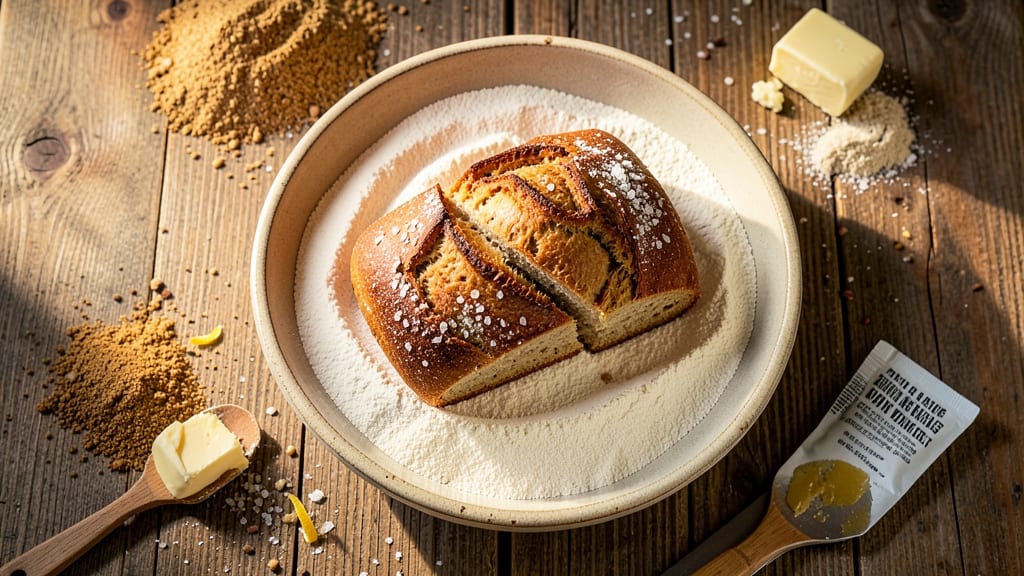
This 50/50 whole wheat bread recipe delivers the perfect balance of hearty whole grains and familiar texture—crisp golden crust with an open, chewy crumb. The secret lies in blending equal parts whole wheat and all-purpose flour, creating a loaf that's nutritious without sacrificing that satisfying pull-apart quality.
I've baked hundreds of loaves to perfect this ratio, and it never fails to impress. The process starts with a simple dough that comes together in minutes, then develops flavor during a 30-minute knead and 2-hour rise.
This method builds structure while allowing the whole grains to soften just enough for that signature chewy texture. No fancy equipment needed—just patience and a little elbow grease. What you'll end up with is a homemade loaf that rivals artisanal bread, with a crisp exterior and airy interior pockets.
The whole wheat flavor shines through subtly, adding nutty depth without overpowering. This is the kind of bread that makes toast, sandwiches, and garlic bread taste like they came from a bakery. The best part? It's foolproof for beginners and versatile enough for experienced bakers.
Add seeds, herbs, or even a touch of honey to customize your loaf. Let's get started on making your perfect 50/50 whole wheat bread.
Ingredients for 50 50 whole wheat bread
Pantry staples plus a few specialty touches—this is your golden ticket to bakery-style bread at home.
| Ingredient | Amount | Notes |
|---|---|---|
| All-Purpose Flour 🌾 | 2 cups | White flour for structure |
| Whole Wheat Flour 🌾 | 2 cups | Unbleached preferred for flavor |
| Active Dry Yeast 🍞 | ¼ oz | Or 2 packets (2.25 tsp) |
| Granulated Sugar 🍚 | ½ tsp | Feeds yeast for rise |
| Salt 🧂 | 1 ½ tsp | Kosher or sea salt |
| Unsalted Butter 🧈 | ¼ cup | Cold, cubed for flavor |
| Warm Water 💧 | 1 ¼ cups | 110°F for yeast activation |
| Extra-Virgin Olive Oil 🫒 | 1 tbsp | For dough elasticity |
| Honey 🍯 | 1 tbsp | Optional for subtle sweetness |
| Sesame Seeds 🌱 | 1 tbsp | Or poppy seeds for topping |
| Cornmeal 🌽 | ¼ cup | For dusting loaf pan |
The flours are the stars here. King Arthur whole wheat flour is my go-to for that perfect chewy texture—it's finely milled so it doesn't get gritty. If you're using regular whole wheat, sift it first for a smoother dough. The butter? Cold cubes are non-negotiable—they create those beautiful pockets. I grab my flour from Whole Foods bulk bins because it's always fresh, but any quality brand works. For the yeast, check the expiration date—it's the soul of your bread, and old yeast won't rise properly. Store your flour in the freezer if you're not using it within a month to keep it fresh.
No whole wheat flour? Substitute with 100% all-purpose, but you'll lose that nutty flavor and denser texture. Short on butter? Olive oil works in a pinch—just reduce by 1 tbsp. The honey is optional but adds a subtle sweetness that balances the whole wheat. For the seeds, sesame or poppy are classic, but sunflower or flax work too. If you're feeling adventurous, toss in 1 tbsp of chia seeds or crushed walnuts for extra crunch. The cornmeal is just for dusting—any fine flour works if you're out, but cornmeal gives that classic bread look.
This dough is a patient's game—don't rush it. After the initial rise, poke it gently to see if it springs back slowly (that's ready). Shape it loosely—over-kneading makes whole wheat bread tough. For storage, wrap the cooled loaf in a clean kitchen towel and keep at room temp for 2-3 days. Freeze slices for up to 3 months—toast straight from frozen. Pro tip: Brush warm bread with melted butter and sprinkle with flaky salt right before serving—game-changer.
Why You'll Love This Recipe
- No-Knead Magic: I swear by this recipe because it’s the only bread I make that doesn’t require me to wrestle dough for 10 minutes. Just mix, let it rise, and bake—no fancy techniques, just the yeast doing its job while I sip coffee.
- Nutty Crust, Soft Core: The whole wheat adds a subtle earthiness, but the all-purpose flour keeps it tender. That golden crust? It’s crispy enough to hold jam but gives way like butter—no dry, dense loaf here.
- Meal Prep MVP: I bake two loaves every Sunday and freeze half. Toast straight from frozen? Yes, please. It’s my go-to for sandwiches, charcuterie boards, or when I’m too tired to think.
- Budget-Friendly Staple: Whole wheat flour is cheaper than buying pre-made, and a single batch stretches for days. Plus, the sugar and salt balance the nuttiness, so it never tastes like a chore to eat.
Step-by-step instructions for 50/50 whole wheat bread
Here's how to craft a bread with a golden crust and chewy interior using equal parts whole wheat and white flour.
Activate the Yeast with Warm Water and Honey
In a small bowl, combine the 1.25 cups warm water (around 110°F—too hot will kill the yeast) with the 0.5 tsp granulated sugar and 1 tbsp honey. Stir until the sugar and honey dissolve completely. This sweet mixture helps jumpstart the yeast activity.
Sprinkle the 0.25 oz active dry yeast over the liquid and let it sit for 5-10 minutes until it becomes frothy and bubbly. You'll see tiny bubbles forming at the surface—this confirms the yeast is alive and ready to work. If it doesn't bubble, your yeast might be expired, and you'll need to start over.
Mix the Wet and Dry Ingredients into a Dough
In a large mixing bowl, whisk together the 2 cups all-purpose flour, 2 cups whole wheat flour, and 1.5 tsp salt. The whole wheat flour will be slightly coarser, but that's what gives this bread its signature texture. Create a well in the center and pour in the yeast mixture along with the 1 tbsp extra-virgin olive oil.
Using a wooden spoon or dough whisk, gradually incorporate the wet ingredients into the dry flour. Once combined, switch to your hands and knead the dough on a lightly floured surface for 8-10 minutes. You're looking for a smooth, elastic dough that springs back when poked—this ensures a good rise and chewy texture. If it feels too sticky, add a little more of the all-purpose flour, but don't overdo it.
Let the Dough Rise Until Doubled in Size
Lightly grease a large bowl with a bit of olive oil, place the dough inside, and cover it with a clean kitchen towel. Let it rise in a warm spot (like near the oven with the light on) for 1-2 hours, or until it has doubled in size. You'll know it's ready when the dough feels light and airy, and you see it puff up noticeably.
Here's the thing—whole wheat dough rises slower than white flour dough, so be patient. If you're in a hurry, you can place the bowl in a slightly warmed oven (70°F) to speed up the process, but don't rush it. A proper rise is key to that open, chewy crumb you're after.
Shape and Let the Dough Rise a Second Time
Punch down the risen dough to release any air bubbles, then shape it into a loaf. For a classic look, form it into an oval or rectangle. Place the shaped dough seam-side down in a greased 9x5-inch loaf pan (or similar size) that's been sprinkled with 0.25 cup cornmeal to prevent sticking. Cover the pan with the towel and let it rise again for 30-45 minutes until it's puffy and just about ready to bake.
This second rise is crucial—it ensures the bread expands properly in the pan, giving you that signature open crumb. If you skip it, your bread might turn out dense. Preheat your oven to 375°F while the dough rises so it's ready to go when you are.
Bake Until Golden Brown with a Hollow Sound
Bake the loaf for 35-40 minutes until the top is golden brown and it sounds hollow when tapped on the bottom. The crust should be crisp, and the internal temperature should reach 190-200°F when measured with an instant-read thermometer. If the top browns too quickly, tent the loaf with foil to prevent over-browning.
Once baked, remove the bread from the pan and let it cool on a wire rack for at least 30 minutes before slicing. This resting period allows the bread to firm up and prevents a gummy texture. While it cools, brush the top with a little melted butter (optional) and sprinkle with 1 tbsp sesame seeds for extra flavor and crunch.
Pro Tips For Making 50 50 Whole Wheat Bread
- WEIGH YOUR FLOURS: Whole wheat flour packs differently than all-purpose—don’t eyeball it. Use a kitchen scale for both flours (4 cups all-purpose + 4 cups whole wheat by weight, not volume), or you’ll end up with dough that’s either too dry or too sticky.
- PROOF THE YEAST IN WARM WATER: Dissolve that 1 packet of yeast in 1/4 cup warm water (105–110°F) with a pinch of sugar first—wait 5–10 minutes until it’s frothy before mixing it into the dough. Cold water kills it, and skipping this step means your bread will rise slower or not at all.
- KNEAD LESS, STRETCH MORE: Whole wheat dough is tougher, so don’t overwork it. After the first 5 minutes of kneading, switch to stretch-and-folds (grab the dough, pull it up, fold it over, repeat) every 30 minutes for 2 hours. This builds strength without making it dense.
- USE A LITTLE OIL IN THE DOUGH: Mix in 1 tablespoon of neutral oil (like vegetable or canola) with the wet ingredients—it keeps the whole wheat from drying out the gluten and makes the crumb softer. (Yes, even if the recipe doesn’t call for it.)
Storing and reheating your 50 50 whole wheat bread
Room Temperature Storage
Wrap your cooled loaf in a clean kitchen towel or beeswax wrap to maintain freshness. Store it in a paper bag or bread box at room temperature for up to 3 days.
The towel prevents moisture loss while allowing airflow—this keeps the crust crisp and the crumb soft. I always store mine on the countertop away from direct sunlight to preserve texture. 🌾
Fridge Preservation
For longer storage, slice the bread and freeze individual portions in a ziplock bag with parchment paper between slices. Thaw at room temperature for 1-2 hours before toasting.
Unfrozen bread stays fresh in the fridge for 5-7 days, but whole wheat bread dries out faster than white—wrap it tightly in plastic wrap before placing in the fridge. 🥖
Freezer-Friendly Tips
Freeze the entire loaf (unwrapped) for up to 3 months—the cold air prevents freezer burn. Thaw overnight in the fridge, then reheat in a 350°F oven for 10 minutes with a cup of water in the pan to create steam.
For quick toasting, freeze slices directly on a baking sheet before transferring to a bag. I always label bags with the date to track freshness. ❄️
Reviving Stale Bread
If your bread loses crispness, revive it by wrapping in a damp paper towel and microwaving for 10-15 seconds. For extra crunch, toast slices in a 375°F oven for 3-5 minutes with a sprinkle of water.
Whole wheat bread benefits from this treatment—it restores moisture without making it gummy. My go-to method is the oven toast with a pat of butter. 🔥
Portion Control
Pre-slice the loaf before freezing for perfect sandwich portions. Use a serrated knife and wrap each slice in parchment paper before bagging. This prevents slices from sticking together during storage.
I also keep a small loaf in the freezer for quick toast—just pop it in the toaster straight from frozen. 🍞
Nutrition facts
Frequently asked questions
Why does this 50/50 whole wheat bread recipe use both whole wheat and all-purpose flour?
The 50/50 blend creates the perfect balance—whole wheat adds fiber and nutty flavor while all-purpose flour provides structure and that satisfying chewy texture. Pure whole wheat bread often turns out dense, but this ratio keeps it light and airy with an open crumb.
Can I make this bread without a stand mixer?
This recipe only requires 8-10 minutes of hand-kneading on a lightly floured surface. Use the "windowpane test"—stretch the dough until it's thin enough to see light through. If it tears, knead a little longer. The key is patience with whole wheat dough—it's stickier but just as manageable by hand.
What's the best way to tell when the dough has risen enough?
Look for the dough to double in size and feel light when pressed gently—it should spring back slowly (not immediately). For whole wheat dough, this typically takes 1-2 hours. Pro tip: Place a toothpick in the center—if it comes out clean, it's ready! Overproofing makes bread dense, so watch it closely during the final 30-45 minute rise.
Why did my bread turn out dense instead of chewy?
Dense bread usually means underproofing (not enough rise time) or over-kneading. Whole wheat dough needs extra time—try extending rises by 30 minutes or using a slightly warmer spot (like a turned-off oven with light on). Also check your yeast: it should bubble within 5-10 minutes when mixed with warm water.
Can I add seeds or herbs to this recipe?
Yes! Mix in 1-2 tablespoons of seeds (sesame, sunflower, or flax) or chopped herbs (rosemary, thyme) with the dry ingredients. For maximum flavor, toast seeds in a dry pan for 2-3 minutes before adding. Just reduce the all-purpose flour by the same amount to maintain dough consistency.